
If you need CPR certification in Maryland, one of the first questions you’ll probably ask is: how much will it cost? The answer depends on the type of credentials you need and the training format you choose. Some courses are intended for the general public, while others are required for nurses, physicians, EMTs, dental professionals, and other healthcare workers.
Maryland offers a wide range of CPR certification options. From basic CPR and AED training to advanced certifications such as BLS, ACLS, and PALS, there are courses available for nearly every profession and experience level. Prices can vary significantly, so understanding what each certification includes can help you avoid paying for a course that doesn’t meet your requirements.
In this guide, we’ll break down the cost of CPR certification in Maryland, explain the factors that influence pricing, what each course includes, and share tips to save money on your certification.
What Factors Affect CPR Certification Costs?
Several factors can influence how much you’ll pay for CPR certification in Maryland, including:
- Certification Level: Basic CPR classes for the general public are usually the most affordable option. Professional-level courses such as BLS, ACLS, and PALS cost more as they cover advanced skills, require additional training time, and include more comprehensive evaluations.
- Training Format: Course delivery can affect pricing. Blended learning is usually more flexible and costs less compared to in-person classes.
- Location: CPR training prices can vary throughout Maryland. Courses offered in larger cities and high-demand areas may be priced differently from those available in smaller communities.
- Initial Certification vs. Renewal: Renewal courses are often less expensive than first-time certification classes, as participants already have foundational knowledge and experience.
- Provider: Pricing varies depending on the certifying organization. The American Heart Association (AHA) is generally priced higher than the American Red Cross (ARC) but is more widely recognized and accepted across healthcare settings.
CPR Certification Costs in Maryland CPR
CPR certification costs in Maryland generally depend on the course type and certification level. Basic courses are usually more affordable, while advanced healthcare provider certifications require additional training and testing.
Typical Maryland CPR Certification Costs (2026)
| Course Type | Blended Learning (Online+Skills Check) | Skill Check Only |
| BLS Certification | $120 | $90 |
| ACLS Certification | $295 | $150 |
| PALS Certification | $295 | $150 |
In blended learning, you complete the online portion at your own pace and then visit our verification station for an in-person skills assessment. On the other hand, the skills-only session involves just a hands-on skills check at our location. Additionally, blended learning is typically better suited for individuals pursuing certification for the first time, while the skills-only option is ideal for professionals renewing their credentials.
What’s Covered in the CPR Certification Course
CPR certification courses in Maryland are structured to build both knowledge and hands-on confidence. The program also focuses on recognizing emergencies early so you can act quickly and effectively.
A quick overview of what you’ll learn and experience during the CPR certification course:
BLS (Basic Life Support)
Basic Life Support (BLS) is the foundation of most healthcare CPR training. This basic life-saving credential focuses on high-quality CPR, proper chest compressions, rescue breaths, AED use, and effective team-based response during emergencies. In Maryland, this credential is required for nurses, doctors, EMTs, and other medical professionals. Furthermore, non-healthcare individuals such as teachers, coaches, childcare providers, and workplace safety staff also choose this program to prepare for emergencies.
ACLS (Advanced Cardiovascular Life Support)
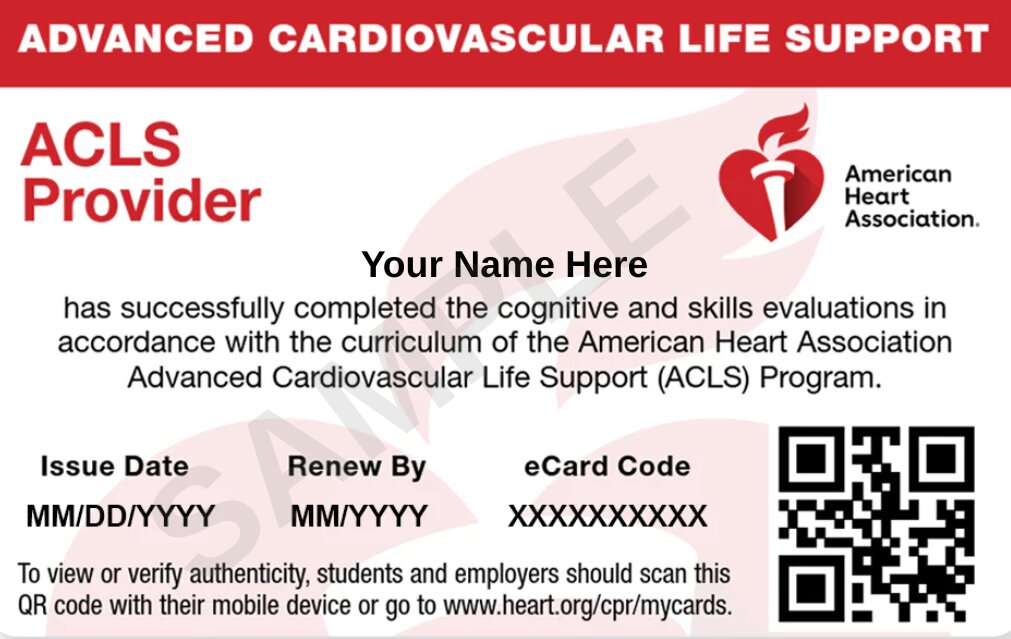
Advanced Cardiovascular Life Support (ACLS) is for healthcare providers who manage complex cardiovascular emergencies. This life-saving skill includes advanced airway management, ECG interpretation, and medication protocols. The training focuses heavily on teamwork and decision-making during high-pressure cardiac events. ACLS is often required for emergency room staff, ICU teams, and paramedics.
PALS (Pediatric Advanced Life Support)
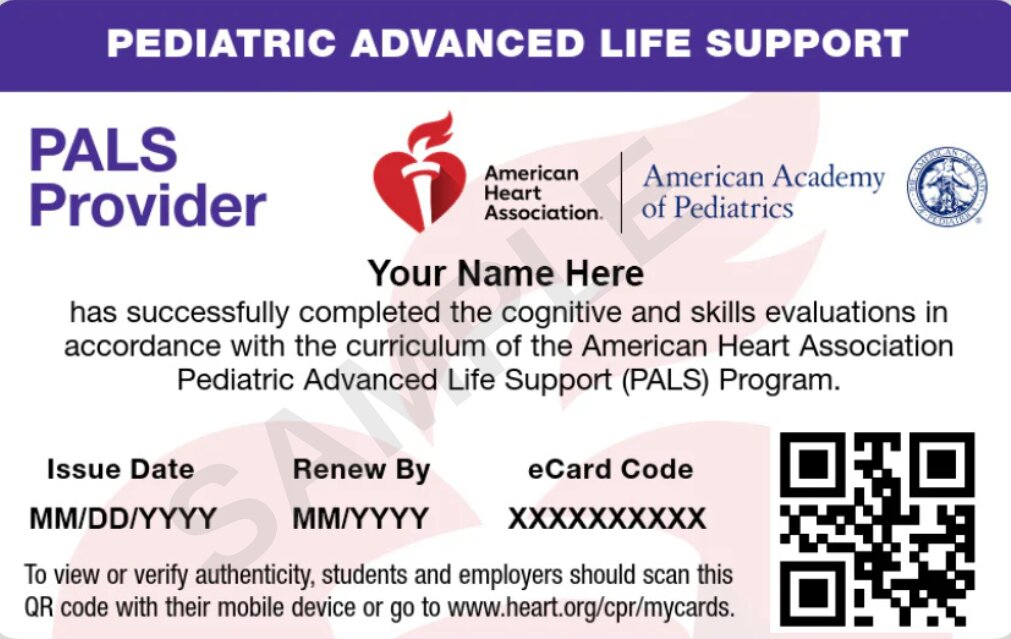
Pediatric Advanced Life Support (PALS) focuses on emergency care for infants and children. The course teaches how to recognize early signs of respiratory or cardiac distress in pediatric patients. This advanced life support training includes specialized CPR techniques, airway management, and treatment approaches tailored for children. PALS is commonly required for pediatricians, pediatric nurses, and emergency care providers.
How Long Does CPR Certification Last?
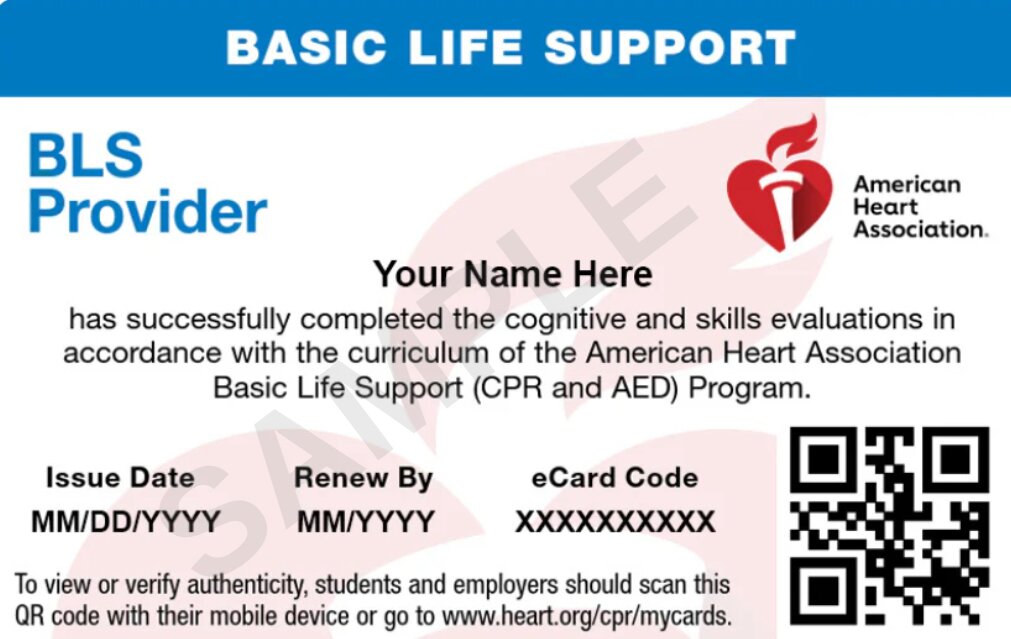
Your AHA-approved CPR certification remains valid for two years from the date of completion. This standard duration ensures your skills and knowledge stay aligned with the latest AHA guidelines and evidence-based resuscitation practices.
Once your certification expires, you are generally required to complete a renewal or recertification course. Furthermore, an outdated certification can limit your ability to perform CPR in professional settings and prevent you from meeting workplace or licensing requirements, so renewing before the expiration date helps ensure uninterrupted compliance and readiness.
Is CPR Certification Worth the Cost?
CPR training cost is a relatively small investment compared to the value it provides. This life-saving credential equips participants with practical skills to respond effectively during unexpected critical scenarios in the workplace, at home, or in public settings.
A valid CPR certification helps support career growth by meeting requirements across a wide range of healthcare and non-healthcare roles. Furthermore, the course also improves your eligibility for roles where safety and emergency preparedness are essential.
Key Benefits of Choosing Maryland CPR
- Flexible Learning Format: Complete the course at your own pace without disrupting any clinical responsibilities.
- AHA-Approved Certification: Training follows American Heart Association guidelines, ensuring your CPR, BLS, ACLS, or PALS certification is widely accepted by employers and healthcare institutions.
- Nationally accepted: Our certifications are accepted across Maryland and the United States, and meet widely recognized training standards for healthcare and professional requirements.
- Convenient Hands-On Training Locations: Skills sessions are available at multiple Maryland locations, making it easy to choose a nearby center for practical training.
- Same-Day eCard: Receive your AHA eCard on the same day after completing the course requirements.
- Advanced Simulation-Based Training: Practice real-life emergency scenarios with modern equipment and Voice-Assisted Manikins (VAMs) to build confidence and improve CPR skills.
How to Save Money on CPR Certification in Maryland
If you’re looking to reduce certification costs, here are two strategies worth considering.
- For group training sessions, we offer discounted rates for businesses, schools, healthcare offices, and community organizations.
- We provide bundled pricing options that reduce overall costs for professionals pursuing multiple certifications, such as BLS, ACLS, and PALS, rather than purchasing individual courses.
Get Certified at Maryland CPR
Maryland CPR provides a streamlined two-step certification process that fits easily into your schedule. Complete the online portion at your own pace, then visit our verification station for a short hands-on skills assessment to demonstrate your life-saving competency. The training helps to recognize critical signs early and respond effectively in real emergencies.
Whether you are earning certification for the first time or renewing your credentials, the process is flexible and easy to follow. Furthermore, your official AHA eCard is provided on the same day after you complete your coursework.
Read the Complete Guide to CPR Training in Maryland
Frequently Asked Questions
Will I receive a physical card after completing the course?
Maryland CPR issues an official AHA eCard digitally on the same day you complete your course. A physical card is generally not provided unless specifically requested through the AHA.
Is the certification accepted outside of Maryland?
Yes. AHA certifications such as BLS, ACLS, and PALS are nationally recognized and accepted by healthcare employers, hospitals, and institutions across all U.S. states.
What is the difference between blended learning and a skills-only session?
Blended learning combines an online knowledge portion completed at your own pace with an in-person skills assessment at our verification station. A skills-only session skips the online portion and focuses solely on the hands-on skills check, making it ideal for renewals.
Do I need prior CPR certification before taking ACLS or PALS?
Yes. A current BLS certification is required before enrolling in either ACLS or PALS, as both courses build on foundational life support skills.