
Earn your American Heart Association (AHA) Pediatric Advanced Life Support (PALS) certification in Maryland. Whether you’re completing PALS for the first time or renewing your certification, the course prepares healthcare professionals to recognize and manage life-threatening emergencies in infants and children using current AHA guidelines.
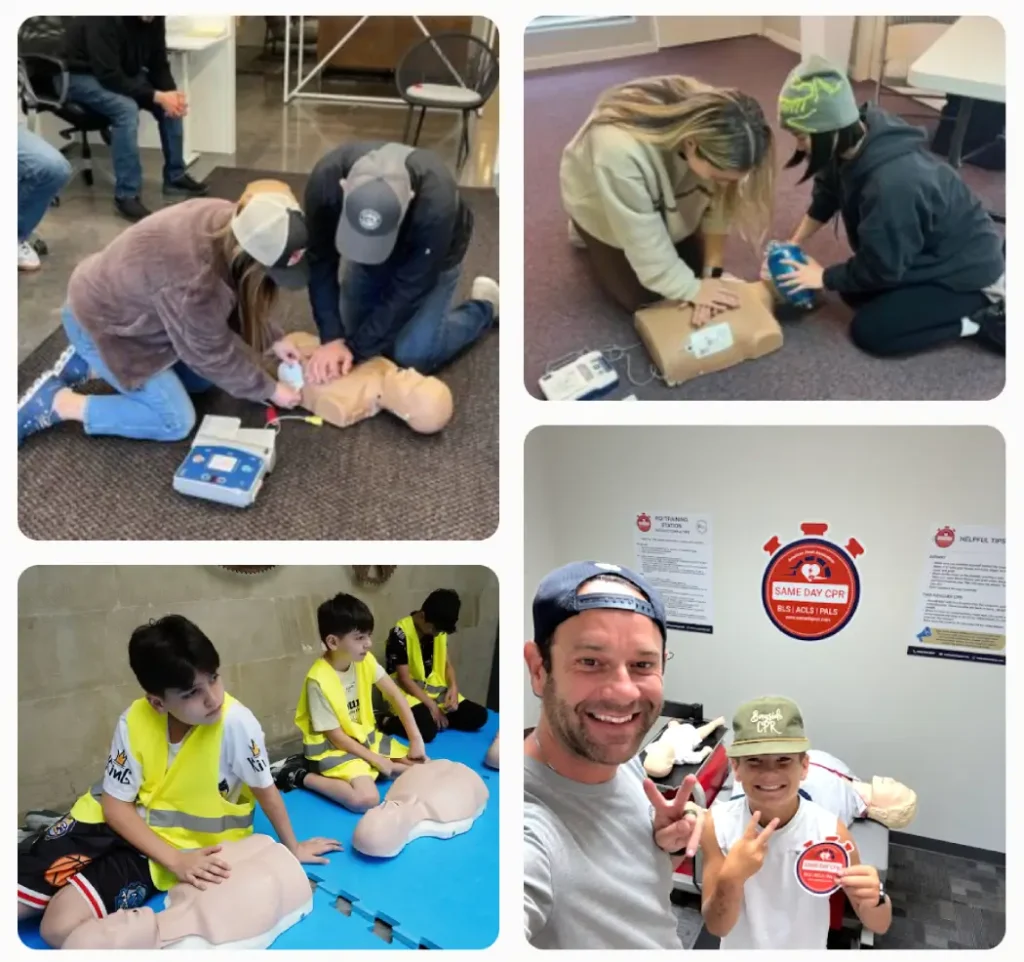
Healthcare professionals across Maryland choose us for American Heart Association PALS training that meets employer and licensing requirements. With multiple training locations, experienced support, and nationally accepted certification, we provide a straightforward way to complete your PALS certification.
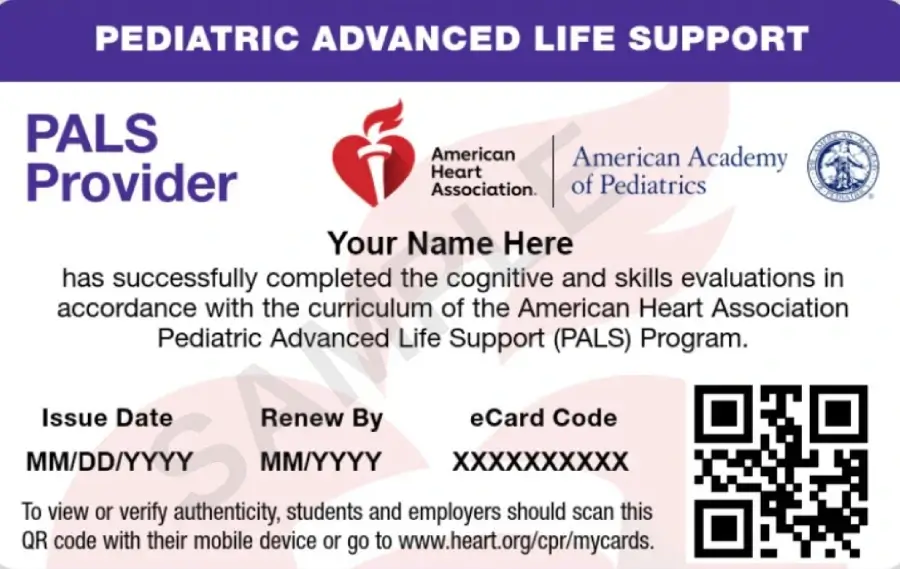
Ideal for those who need complete PALS certification for the first time or renewing an existing certification.
Ideal for Students Who Already Have Online Course Access or need to refresh their hands-on skills.
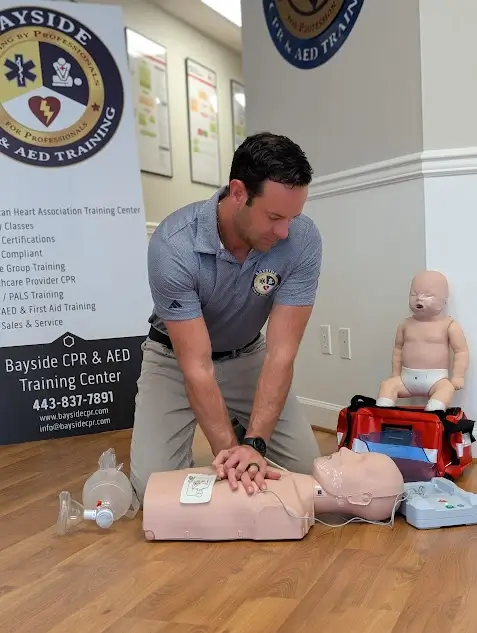
Maryland CPR Classes helps you earn your AHA-approved PALS certification without disrupting your clinical schedule.
You can choose a class that fits your routine, with options including:
Pediatric Advanced Life Support (PALS) is an advanced, AHA-based training that provides structured, algorithm-driven guidance for managing life-threatening emergencies in infants and children. It emphasizes early recognition of clinical deterioration and rapid intervention in conditions such as respiratory failure, shock, and cardiac arrest. The course also includes pediatric airway management, resuscitation algorithms, post-cardiac arrest care, and weight-based medication dosing specific to children.
PALS applies a systematic approach to pediatric emergency care, helping healthcare providers quickly assess, prioritize, and manage critically ill pediatric patients using standardized protocols.
Improve your ability to recognize and respond to pediatric emergencies.
Strengthen clinical decision-making during high-pressure situations.
Build confidence when caring for critically ill infants and children.
Develop effective communication and teamwork during pediatric resuscitation.
Meet PALS certification requirements for hospitals and healthcare employers.
Stay current with the latest American Heart Association guidelines.
Our AHA-approved PALS course provides specialized, hands-on training that prepares you to assess and manage life-threatening emergencies in critically ill infants and children.
By the end of the course, you will be able to:
PALS certification is commonly required for healthcare professionals who assess, treat, or assist in the care of infants and children experiencing life-threatening emergencies. Requirements vary by employer, specialty, and clinical setting, but many hospitals, emergency departments, and pediatric care facilities require eligible staff to maintain current PALS certification. Below are some of the healthcare professionals who commonly need PALS certification.
Pediatricians, neonatologists, pediatric nurses, pediatric nurse practitioners, physician assistants, and clinicians working in neonatal intensive care units (NICUs) and pediatric intensive care units (PICUs) commonly require PALS certification. These professionals care for infants and children with complex medical conditions where rapid recognition and treatment of respiratory failure, shock, and cardiac arrest are essential. PALS training reinforces a systematic approach to pediatric assessment and emergency care while supporting effective teamwork during resuscitation.
Emergency physicians, emergency department nurses, paramedics, advanced EMTs, and other emergency medical professionals frequently treat critically ill or injured pediatric patients in both hospital and prehospital settings. PALS certification helps these providers recognize life-threatening conditions quickly, apply evidence-based treatment algorithms, and coordinate care during pediatric emergencies.
Registered nurses, physicians, respiratory therapists, hospitalists, and other healthcare professionals working in hospitals that provide pediatric care may need PALS certification as part of their clinical responsibilities. These providers assist with the assessment, stabilization, and ongoing care of infants and children while working closely with multidisciplinary healthcare teams.
Medical students, nursing students, residents, and other healthcare trainees completing clinical rotations in pediatric, emergency, or critical care settings may be required to obtain PALS certification before participating in patient care. Completing PALS training helps build a strong foundation in pediatric emergency assessment and resuscitation while meeting clinical placement requirements.
Every course follows the latest American Heart Association guidelines, ensuring your certification meets the standards of hospitals, pediatric units, and healthcare employers across Maryland and the United States.
Your AHA PALS eCard is valid nationwide, meeting the certification requirements of hospitals, healthcare organizations, and licensing boards in every state.
Your official AHA PALS Provider eCard is issued immediately after you complete your coursework successfully. No waiting, no delays, just instant access to your certification.
Our flexible approach ensures you get certified without disrupting your professional commitments. Complete the online portion at your own pace, then attend a focused in-person skills session at a location near you.
Once enrolled, you have full access to all course materials, allowing you to review and revisit content as many times as needed before your skills session.
With unlimited attempts and real-time feedback, every student leaves fully certified and confident in their PALS skills.


Get all essential details about your PALS certification, including course format, validity period, compliance standards, and how your certification is issued.
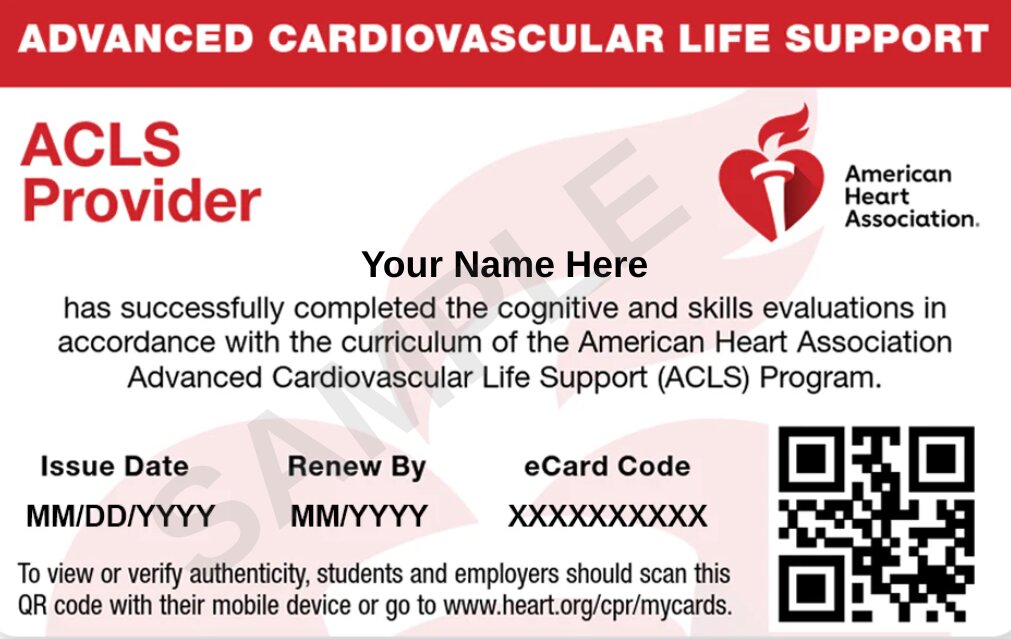
Advanced Cardiovascular Life Support
Flexible & self-paced;
Hands-on practice
Truster Certification
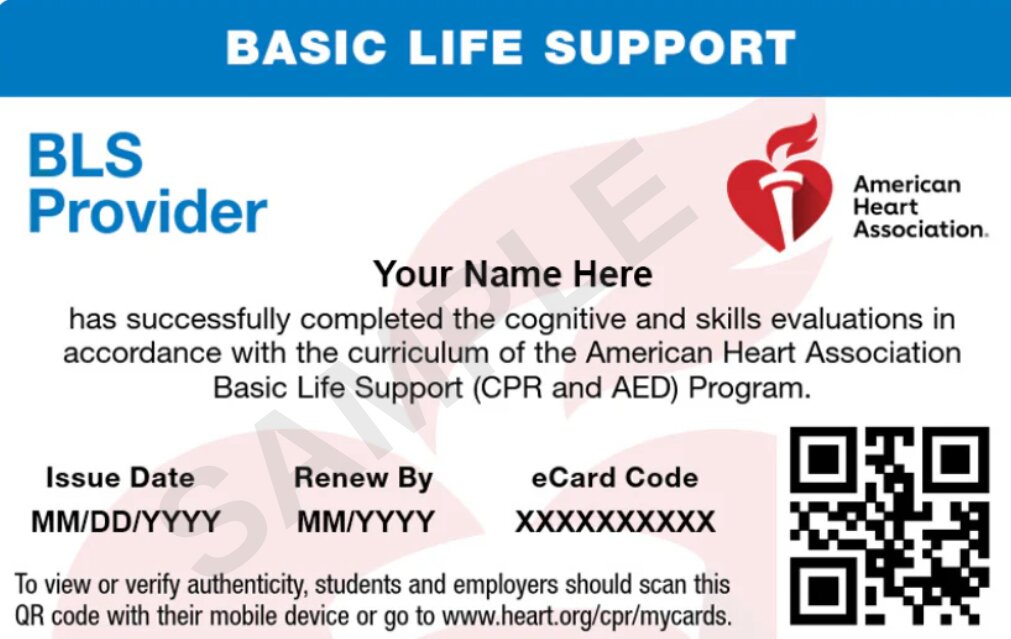
Basic Life Support
Flexible & self-paced;
Hands-on practice
Truster Certification
Heartsaver First Aid CPR AED
Flexible & self-paced;
Hands-on practice
Truster Certification
Critical situations require confident, trained responders. Stay prepared with our flexible scheduling and convenient training options. Earn your AHA-approved PALS certification today.
PALS certification is required for healthcare professionals who manage critically ill infants and children, including pediatricians, emergency physicians, nurses, paramedics, EMTs, respiratory therapists, and critical care providers.
Your AHA PALS certification is valid for two years from the date of issue.
Yes, your AHA PALS eCard is recognized and accepted at every hospital, clinic, and healthcare facility across Maryland and the United States.
Yes, CPR Maryland offers PALS renewal classes for healthcare professionals whose certification is about to expire.
The online PALS course is accessible on any device, including desktop computers, laptops, tablets, and smartphones. You can log in anytime and resume your course.
Our support team is available to assist you with any technical issues, course access questions, or certification concerns. Reach out to us directly, and we will get back to you as soon as possible.