
If you’re looking for CPR classes online in Maryland, you’ve probably noticed that some courses claim to be 100% online while others require an in-person skills session. It can be confusing, especially if you need certification for work, school, or a healthcare license.
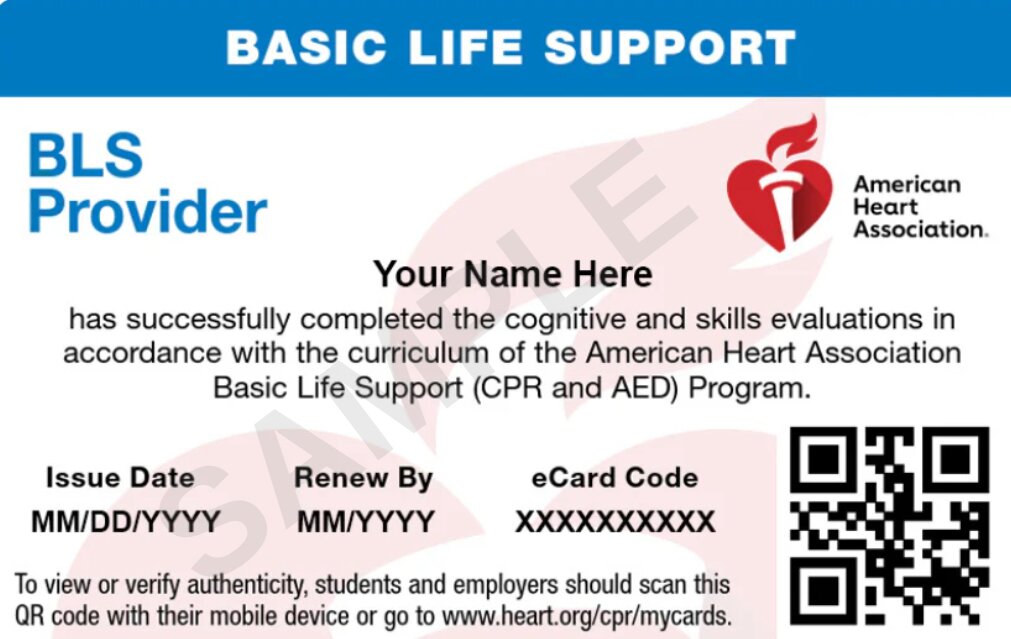
The short answer is yes, you can complete part of your CPR training online. However, if you need an official American Heart Association (AHA) CPR certification, there is one important requirement you should know. The AHA requires students to demonstrate their CPR skills before receiving a course completion card.
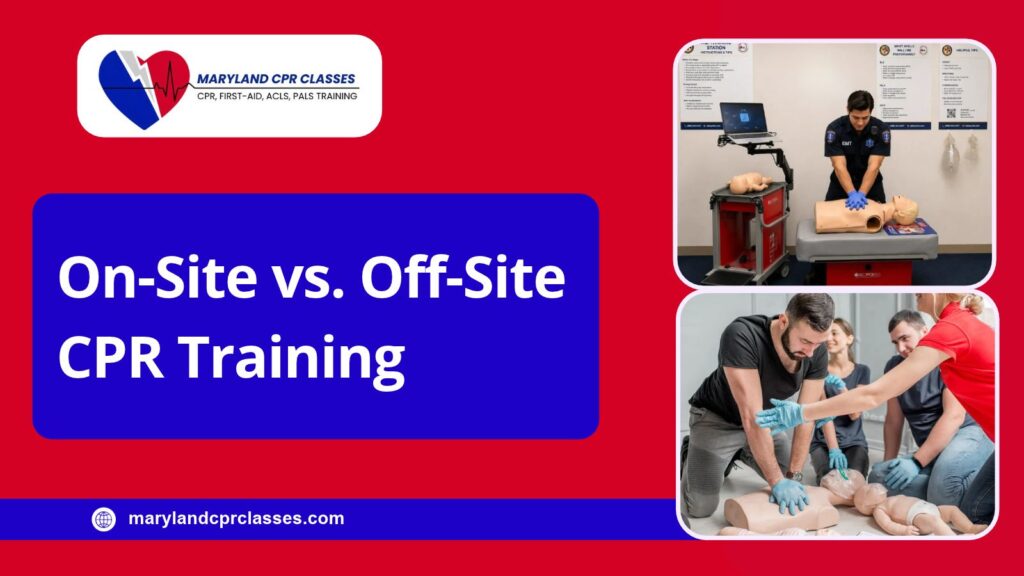
The good news is that this process has become much more convenient. Many Maryland training providers now offer Self-Guided Learning that combines online coursework with a short hands-on skills assessment using a CPR Verification Station and a Voice-Assisted Manikin.
In this guide, we’ll explain what the AHA requires, how online CPR classes work in Maryland, and how you can choose the right certification option for your needs.
Can You Take CPR Classes Online in Maryland?
Yes, you can complete the educational portion of CPR training online in Maryland.
The online portion allows you to learn at your own pace from home or anywhere with internet access. You’ll study topics such as:
- Recognizing cardiac arrest
- Performing high-quality CPR
- Using an Automated External Defibrillator (AED)
- Helping choking adults, children, and infants
- Basic emergency response procedures
After finishing the online lessons, students seeking an AHA CPR certification must complete a hands-on skills assessment. This final step confirms that you can correctly perform CPR techniques in a real-world setting.
If you only take an online CPR course without completing the required skills evaluation, you may receive a certificate of completion from the course provider, but it is not the same as an official AHA course completion card.
What Does the American Heart Association Require?
The American Heart Association sets national standards for CPR education to help ensure students can perform life-saving skills correctly.
To earn an AHA CPR certification, students must complete two parts:
- Online learning
- Hands-on skills verification
The online portion teaches the knowledge behind CPR, while the practical session confirms that students can perform compressions, rescue breaths, AED use, and other required skills safely and effectively.
This combination helps prepare students to respond confidently during real emergencies rather than simply understanding the material in theory.
How Self-Guided Learning Works
Self-Guided Learning offers a flexible alternative to attending a traditional classroom.
Instead of spending several hours in an instructor-led session, students complete the learning portion online first. Once finished, they schedule a visit to complete their skills assessment.
The process usually looks like this:
Step 1: Complete the Online Course
Study the required material from your computer, tablet, or phone. You can pause and return whenever it fits your schedule.
Step 2: Visit a CPR Verification Station
After completing the online coursework, you’ll visit a CPR Verification Station.
These stations allow students to demonstrate their CPR skills without attending a full classroom course.
Step 3: Practice with a Voice-Assisted Manikin
During the skills session, a Voice-Assisted Manikin provides real-time feedback while you perform CPR.
The system measures important factors such as:
- Compression depth
- Compression rate
- Chest recoil
- Hand placement
- Ventilation quality
This immediate feedback helps ensure your CPR meets current AHA standards.
Step 4: Receive Your Certification
After successfully completing the required skills assessment, eligible students receive their official AHA course completion card.
Who Can Benefit from Online CPR Classes?
Online CPR training is popular among many different groups throughout Maryland.
Healthcare professionals often choose Self-Guided Learning because it reduces time away from work while still meeting certification requirements.
Other students who benefit include:
- Registered nurses
- Physicians
- EMTs
- Paramedics
- Medical assistants
- Nursing students
- Dental professionals
- Physical therapists
- Pharmacists
- Teachers
- Childcare providers
- Fitness instructors
- Workplace employees
- Parents and caregivers
Many employers appreciate the flexibility of online learning combined with verified hands-on skills.
Is a Fully Online CPR Certification Accepted?
This depends on why you need certification.
If you’re taking CPR for personal knowledge, some fully online courses may be sufficient.
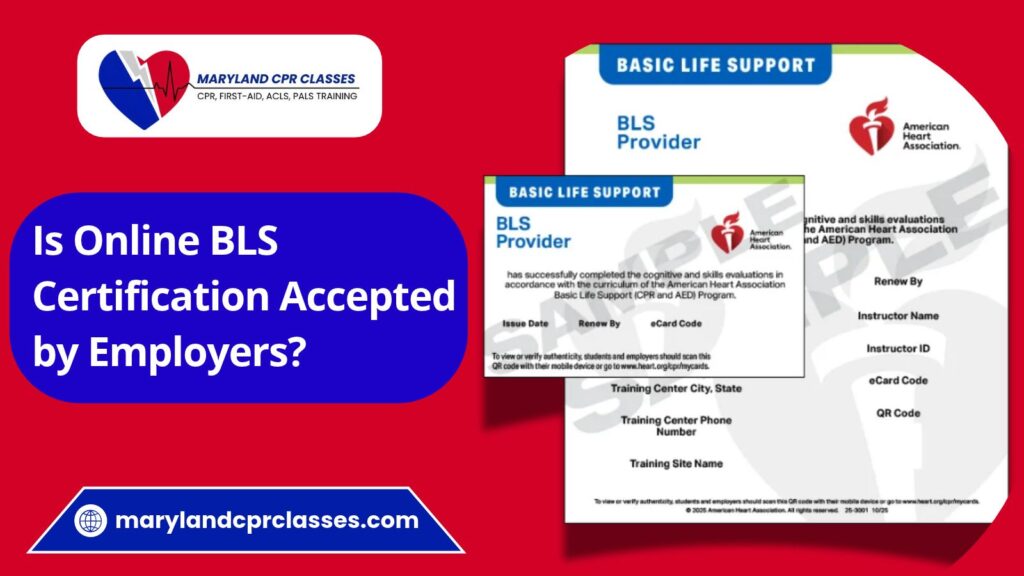
However, many employers, hospitals, colleges, and licensing boards require an official AHA CPR certification that includes a hands-on skills assessment.
Healthcare employers generally expect candidates to demonstrate practical CPR skills before beginning clinical work.
If you’re unsure what your employer requires, it’s always best to confirm before registering for a course.
Why Hands-On Skills Still Matter
Reading about CPR and watching instructional videos are valuable learning tools, but performing CPR correctly requires practice.
Hands-on training allows students to develop muscle memory for critical techniques such as:
- Proper hand placement
- Correct compression depth
- Compression rate
- Full chest recoil
- Effective rescue breaths
- Safe AED operation
Receiving immediate feedback during the skills session helps students correct mistakes and build confidence before facing an actual emergency.
CPR Courses Available Through Self-Guided Learning
Many Maryland providers offer Self-Guided Learning for several AHA programs, including:
CPR and AED Certification
Ideal for workplace employees, teachers, coaches, parents, and community members.
Basic Life Support (BLS)
Recommended for healthcare professionals, medical students, dentists, nurses, EMTs, and others working in clinical settings.
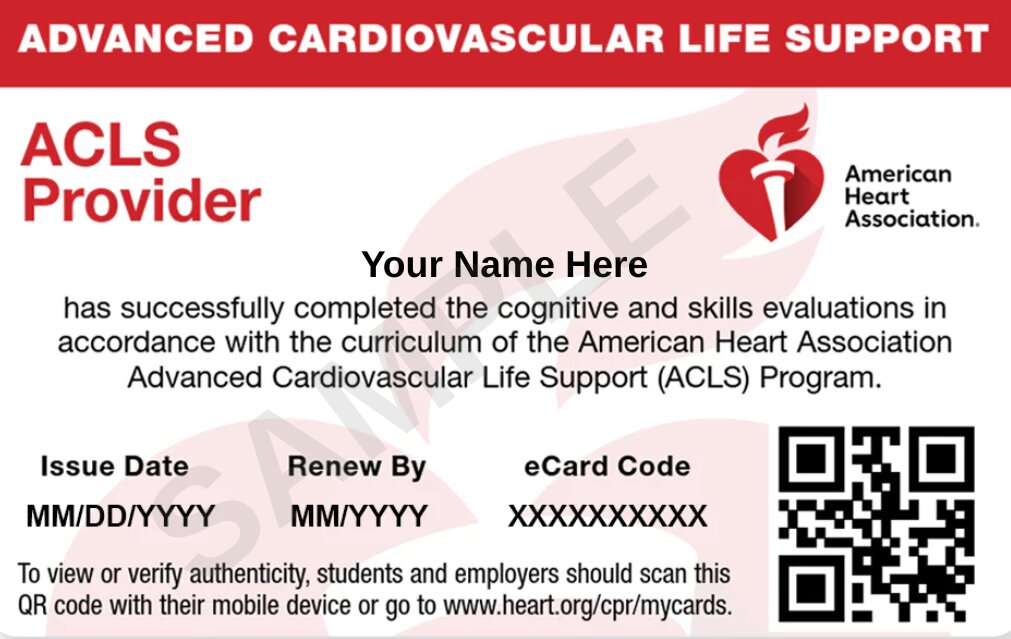
Advanced Cardiovascular Life Support (ACLS)
Designed for physicians, nurses, paramedics, emergency department staff, and other advanced healthcare providers.
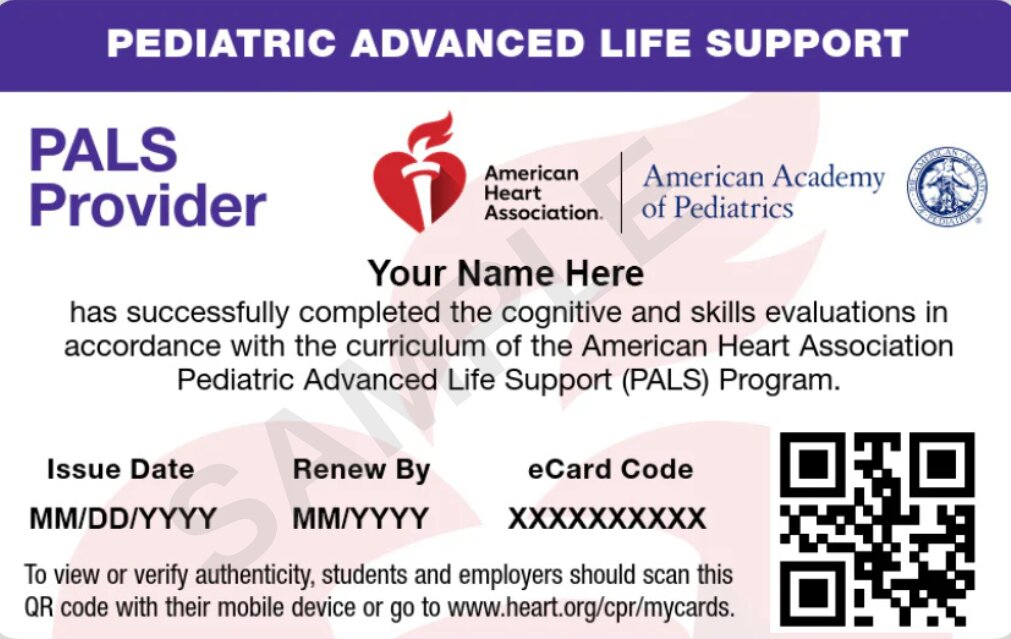
Pediatric Advanced Life Support (PALS)
Focused on healthcare professionals who provide emergency care for infants and children.
Each course combines online education with an in-person skills assessment to meet AHA certification requirements.
Benefits of Self-Paced CPR Certification
Many students choose Self-Paced CPR Certification because it offers greater flexibility than traditional classroom training.
Some of the biggest advantages include:
Learn on Your Schedule
Complete the online coursework whenever it’s convenient instead of attending a fixed class time.
Less Time Away from Work
Healthcare professionals with busy schedules can finish the learning portion at home before completing a short skills session.
Immediate Performance Feedback
Voice-Assisted Manikins provide detailed feedback that helps students improve their CPR technique.
Consistent Evaluation
Every student completes the same standardized skills assessment based on current AHA guidelines.
Convenient Renewal
Students renewing certifications often appreciate the faster, more flexible process.
CPR Verification Stations for Businesses and Organizations
Many Maryland businesses and healthcare organizations also rent CPR Verification Stations for staff training.
These systems can be used by:
- Hospitals
- Medical offices
- Fire departments
- EMS agencies
- Nursing schools
- Colleges
- Manufacturing facilities
- Government agencies
- Corporate workplaces
Providing on-site access makes it easier for employees to complete required CPR certifications without extensive scheduling challenges.
Organizations with large teams often find this approach more efficient than arranging multiple classroom sessions throughout the year.
Choosing the Right CPR Course in Maryland
Before registering, consider a few important questions.
Why do you need certification?
Different professions require different AHA courses. Healthcare workers often need BLS, ACLS, or PALS, while many workplaces only require CPR and AED certification.
Does your employer require an AHA certification?
Many employers specifically request an AHA course completion card instead of a general online CPR certificate.
Is scheduling flexibility important?
If attending a traditional classroom is difficult, Self-Guided Learning can provide a more convenient option.
Do you need initial certification or renewal?
Many providers offer flexible options for both first-time students and those renewing existing certifications.
Choosing the right course from the beginning can save time and help ensure you meet your employer’s requirements.
Final Thoughts on Taking CPR Classes Online in Maryland
So, can you take CPR classes online in Maryland? Absolutely. The online learning portion makes CPR education more flexible and convenient than ever before.
However, if you need an official American Heart Association certification, you’ll also need to complete a hands-on skills assessment. Self-Guided Learning combines the convenience of online education with practical training at a CPR Verification Station using a Voice-Assisted Manikin, helping you meet AHA requirements while learning on your own schedule.
Whether you’re a healthcare professional renewing your certification, a student preparing for clinical training, or someone learning CPR for work or personal preparedness, choosing an AHA-compliant course ensures you receive training that employers and healthcare organizations recognize and trust.
Frequently Asked Questions
Can I complete CPR certification entirely online in Maryland?
You can complete the educational portion online, but an AHA certification also requires a hands-on skills assessment before certification is issued.
How long does the skills session take?
The hands-on assessment is typically much shorter than a traditional classroom course because the educational content has already been completed online.
Is Self-Guided Learning accepted by employers?
Many employers accept AHA certifications earned through Self-Guided Learning because students complete both the required online education and the practical skills assessment.
What is a CPR Verification Station?
A CPR Verification Station is a self-guided system that allows students to demonstrate CPR skills using a Voice-Assisted Manikin while receiving real-time performance feedback.
Who should take BLS instead of a standard CPR course?
Healthcare professionals, nursing students, physicians, EMTs, and others working in clinical environments typically require BLS certification.