
If you manage a hospital unit, EMS company, fire department, dental office, or training business in Maryland, you already know how hard it can be to keep staff current on BLS, ACLS, and PALS certifications. Classes fill up fast, instructors get booked out weeks in advance, and pulling staff off the floor for a half-day course is expensive. This is exactly why more Maryland organizations are turning to CPR Verification Station rental as a smarter, faster way to manage certifications in-house.
At Maryland CPR Classes, we help hospitals, EMS agencies, schools, and businesses across the state set up a CPR Verification Station on-site, so their people can complete Self-Guided Learning and hands-on skills checks whenever it fits their schedule. In this article, we’ll walk through what a CPR Verification Station actually is, how the rental process works, who it’s built for, and what to consider before you sign up.
What Is a CPR Verification Station?
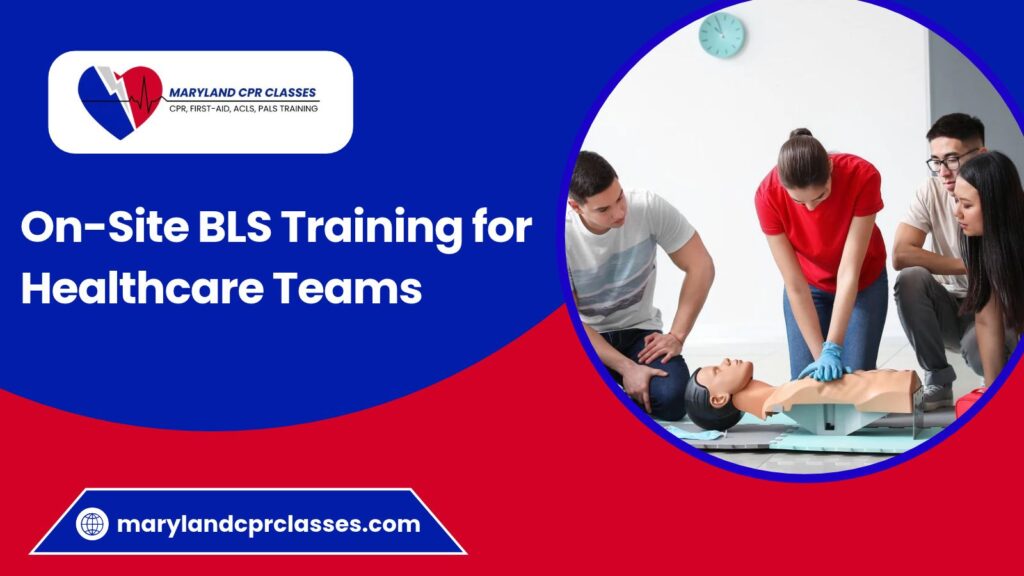
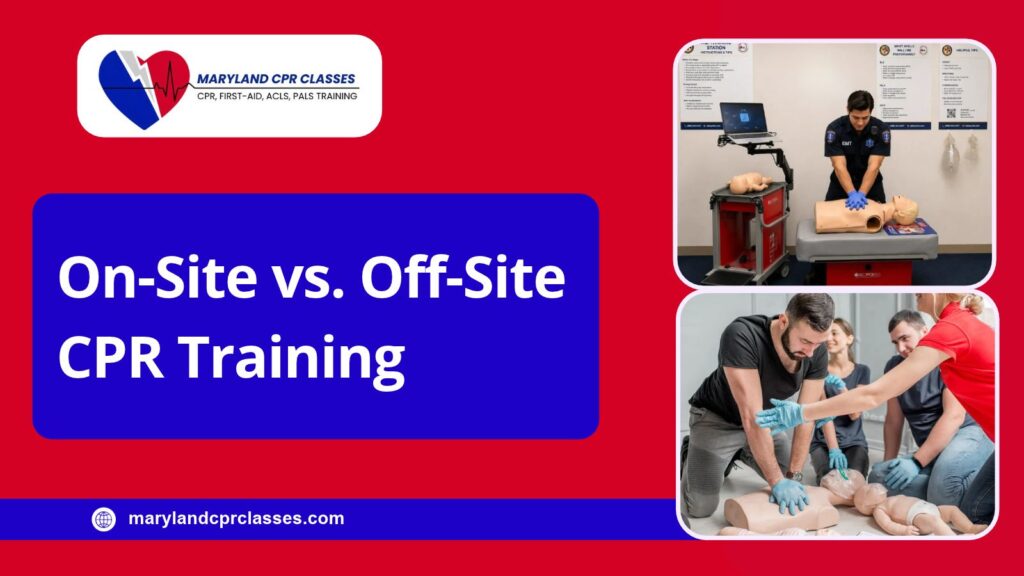
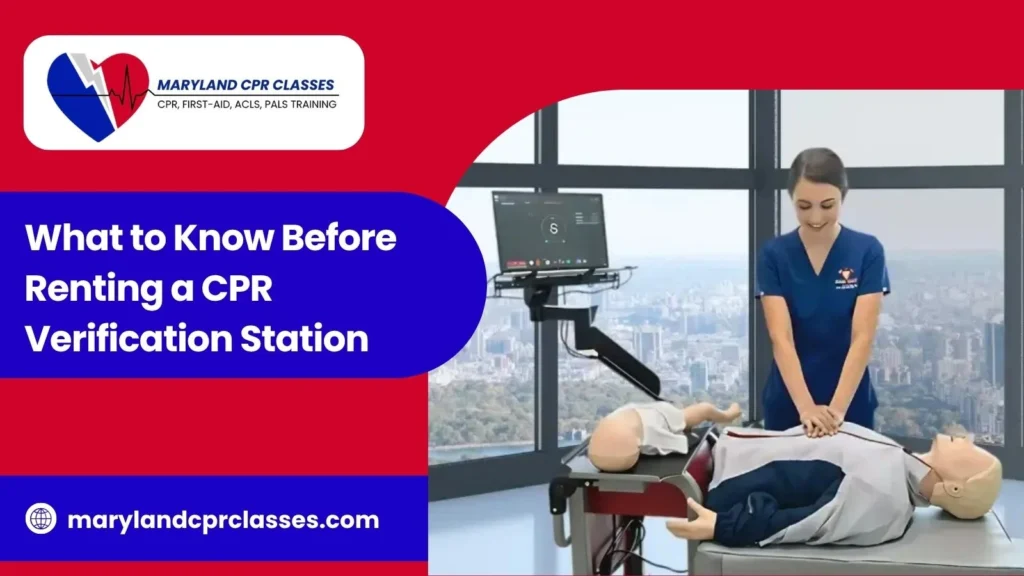
A CPR Verification Station is an on-site setup that lets your team complete their American Heart Association certification without waiting for a scheduled class. It pairs online coursework with a short, hands-on skills check using a Voice-Assisted Manikin, which gives real-time feedback on compression depth, rate, and technique.
Here’s how the process typically works:
- Online learning first: Participants complete the cognitive portion of their BLS, ACLS, or PALS course on their own time, at home or during a break.
- Hands-on skills check: Once the online portion is done, they use the CPR Verification Station and Voice-Assisted Manikin to demonstrate proper technique.
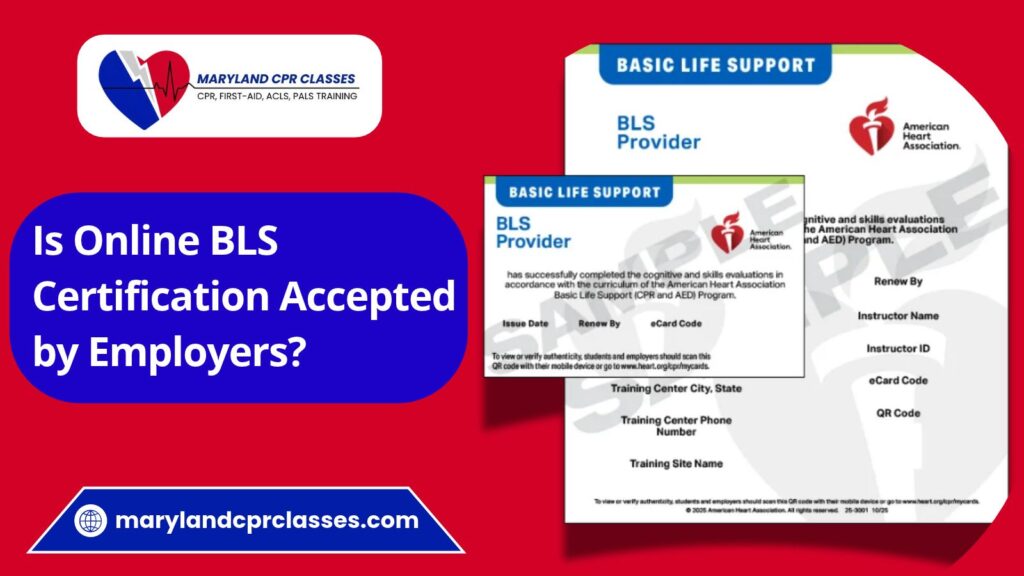
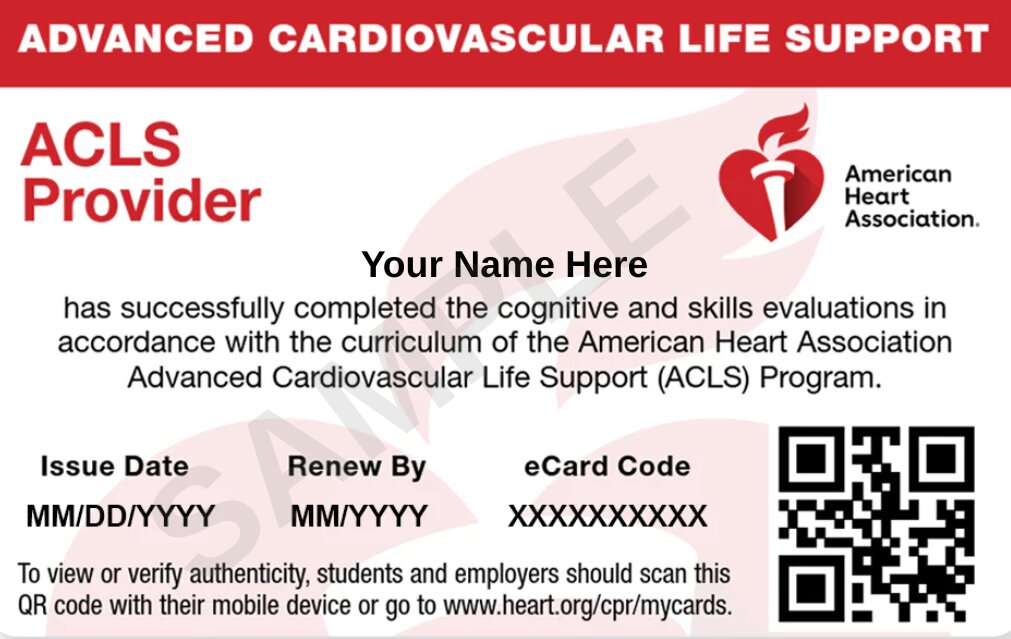
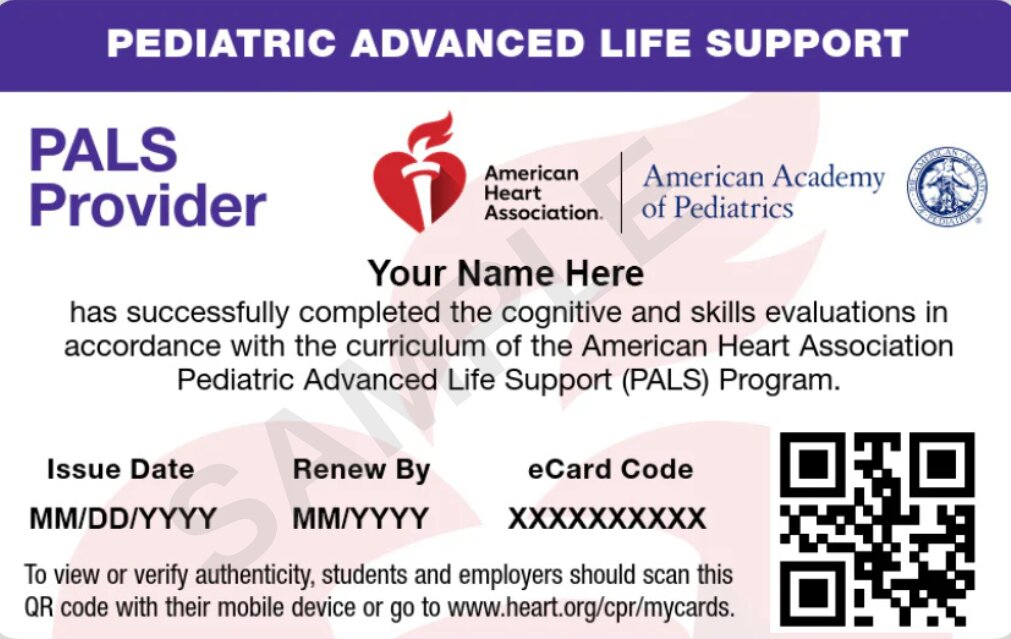
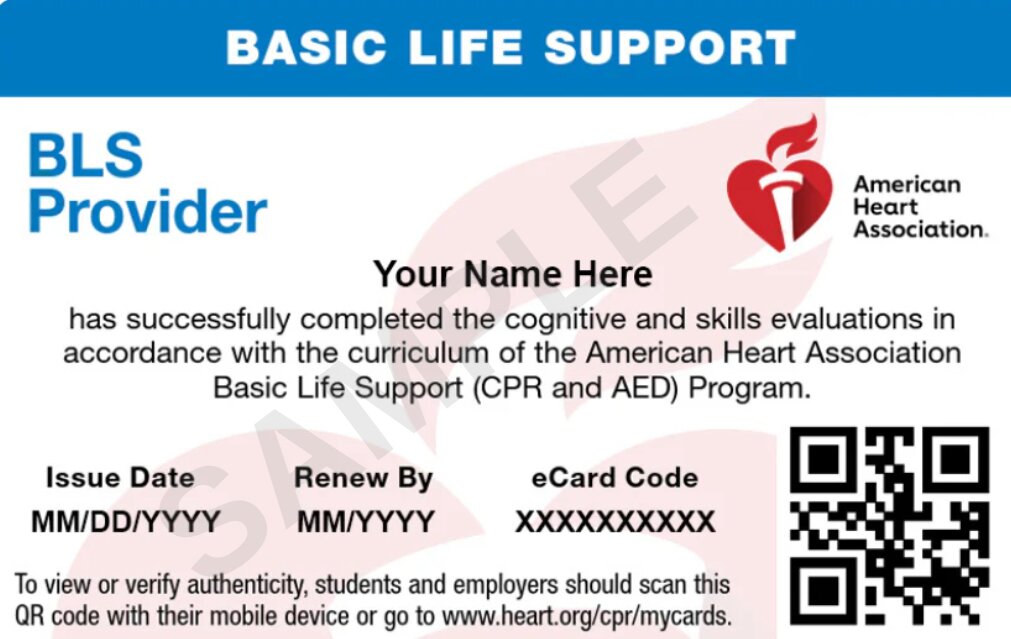
- Certification issued same day: After passing the skills check, participants receive their official two-year AHA certification card.
This model, often called Self-Paced CPR Certification, removes the biggest bottleneck in staff training: waiting for a class that fits everyone’s schedule.
Why Maryland Organizations Are Renting CPR Verification Stations
Maryland’s healthcare and emergency services sector runs around the clock. Hospitals staff three shifts. EMS crews respond at all hours. Fire departments can’t pull an entire shift off the truck for a two-hour class. A rented CPR Verification Station solves a problem that traditional classroom training simply can’t.
It Fits Around Your Schedule, Not the Other Way Around
Traditional CPR classes require you to coordinate dozens of schedules around one instructor’s availability. With a CPR Verification Station on-site, staff complete their Self-Guided Learning and skills check whenever they have a free 15 to 20 minutes. Night shift nurses, on-call paramedics, and part-time staff no longer have to request time off or come in on a day off just to get recertified.
It Cuts Down on Overtime and Lost Productivity
Sending staff off-site for training means paying for their time, sometimes covering overtime for the person filling in, and disrupting normal operations. Keeping certification in-house with a rented station means your team trains between patients, calls, or shifts, not instead of them.
It Keeps Certifications Consistent Across Your Organization
When you manage certification renewals internally, you have full visibility into who’s certified, who’s due for renewal, and when. That’s a real advantage for compliance officers, nurse educators, and training coordinators who are responsible for keeping records audit-ready.
It Works for Groups of Any Size
Whether you’re a small dental practice with five employees or a hospital system with hundreds of clinical staff, a CPR Verification Station scales to your needs. Larger organizations may want multiple stations to keep wait times down during peak renewal periods.
Who Rents a CPR Verification Station in Maryland?
We work with a wide range of organizations across the state, including:
Hospitals and Health Systems: Nursing units, ICUs, and emergency departments rely on BLS, ACLS, and PALS certifications to stay compliant and joint-commission ready. A CPR Verification Station lets clinical staff renew certifications without stepping away from patient care for a full shift.
EMS and Ambulance Companies: Paramedics and EMTs need to stay sharp on advanced life support skills. A station at your facility means crews can train between calls instead of scheduling around an outside provider.
Fire Departments: Firefighters and fire-medics juggle demanding shift schedules. A CPR Verification Station removes the need for overtime pay or mandatory training on days off, something any fire chief managing a training budget will appreciate.
Dental Practices and Associations: Dental teams need BLS and sometimes ACLS certification to meet state board requirements. A station keeps the entire office compliant without shutting down for a training day.
Nursing and Medical Schools: Programs that certify new students every semester benefit from having a station on campus, so students can complete certification requirements before clinical rotations begin.
CPR Training Businesses: Entrepreneurs running their own CPR training company can offer clients 24/7 access to certification, turning a rented station into a revenue-generating asset instead of a scheduling headache.
Schools, Childcare Centers, and Workplaces: Teachers, coaches, childcare staff, and general employees who need CPR certification as part of their job requirements can also benefit from the flexibility of a Self-Guided Learning format.
What to Look for When Renting a CPR Verification Station
Not every provider offering CPR Verification Station rental in Maryland delivers the same level of quality or compliance. Before you commit, here’s what to check.
AHA Compliance and Card Authenticity
This is the single most important factor. Some low-cost providers advertise CPR training that isn’t fully compliant with American Heart Association standards. Non-compliant cards can be revoked months after training, forcing your staff to retrain and putting your organization at legal and operational risk. Always confirm that your provider issues genuine, official AHA certification cards, not a substitute or lookalike.
Equipment Quality
The Voice-Assisted Manikin used for the skills check should provide accurate, real-time feedback on compression rate and depth. Outdated or poorly calibrated equipment can lead to inconsistent skills assessments, which defeats the purpose of hands-on verification.
Setup and Ongoing Support
A rented station is only useful if it’s easy for your staff to use. Look for a provider that trains your team on how to operate the station and stays available for support if something comes up, not one that drops off equipment and disappears.
Minimum Certification Volume
Most CPR Verification Station rental agreements are built around a minimum number of annual certifications, since that’s what makes the pricing work for both sides. Before applying, have a rough estimate ready of how many BLS, ACLS, and PALS certifications your organization needs per year. This helps your provider give you an accurate, personalized quote.
Local Maryland Support
Working with a Maryland-based provider means faster response times if you need equipment serviced, additional stations added, or staff retrained. It also means you’re working with a partner who understands Maryland’s healthcare and emergency services landscape, not a national call center.
How Maryland CPR Classes Approaches CPR Verification Station Rental
Maryland CPR Classes provides a straightforward path to getting a CPR Verification Station set up at your location. Here’s what that looks like in practice:
- Application and quote. You share your estimated annual certification volume for BLS, ACLS, and PALS, and we put together pricing based on your actual needs.
- Station delivery and setup. We get your CPR Verification Station and Voice-Assisted Manikin installed and ready to use at your facility.
- Staff training. We walk your team through how the Self-Guided Learning process and skills check work, so there’s no confusion on day one.
- Ongoing support. Our team stays available to help with questions, troubleshooting, or additional training as your needs grow.
Every certification issued through our stations meets official AHA standards, so you never have to worry about a card being flagged or revoked down the line.
Making the Case for a CPR Verification Station at Your Organization
If you’re the one responsible for keeping your team certified, whether that’s a nurse educator, training coordinator, EMS supervisor, or business owner, the math on a CPR Verification Station is fairly simple. Compare what you currently spend on outside instructors, overtime, and lost productivity from off-site training against the cost of managing certifications in-house on your own timeline.
For most Maryland hospitals, EMS agencies, and fire departments, the savings show up quickly, and the flexibility for staff is an added benefit that’s hard to put a price on. Instead of scrambling to find an open class before someone’s certification lapses, your team has a Self-Paced CPR Certification option available whenever they need it.
Get Started with CPR Verification Station Rental in Maryland
Maryland CPR Classes works with hospitals, EMS companies, fire departments, dental practices, schools, and training businesses throughout the state to set up on-site CPR Verification Stations for BLS, ACLS, and PALS certification. If you’re ready to see how much your organization could save, reach out for a personalized quote based on your certification volume.
Contact our team today to learn more about CPR Verification Station rental and get your Self-Guided Learning program up and running.