
If your CPR certification is nearing its expiration date, renewing it before it expires helps you stay compliant with workplace requirements and ready to respond in an emergency. Many employers in Maryland, including hospitals, clinics, schools, and childcare centers, require employees to maintain a current American Heart Association (AHA) CPR certification.
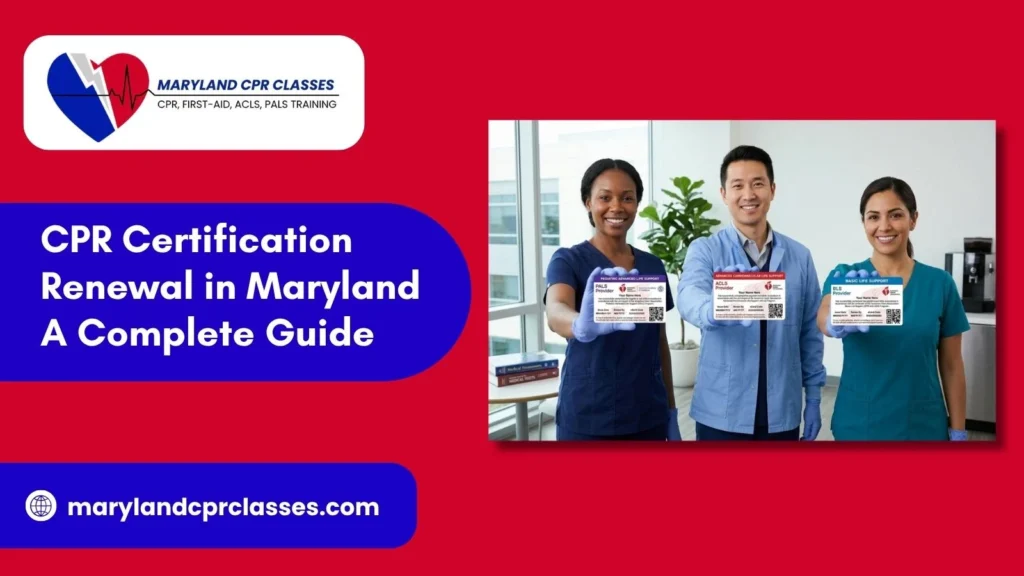
Whether you need Basic Life Support (BLS), Advanced Cardiovascular Life Support (ACLS), Pediatric Advanced Life Support (PALS), or Heartsaver CPR and First Aid, the renewal process is straightforward when you choose an authorized AHA Training Center.
This guide explains how to renew your CPR certification in Maryland, what to expect during the course, and how to choose the right renewal option.
When Should You Renew Your CPR Certification?
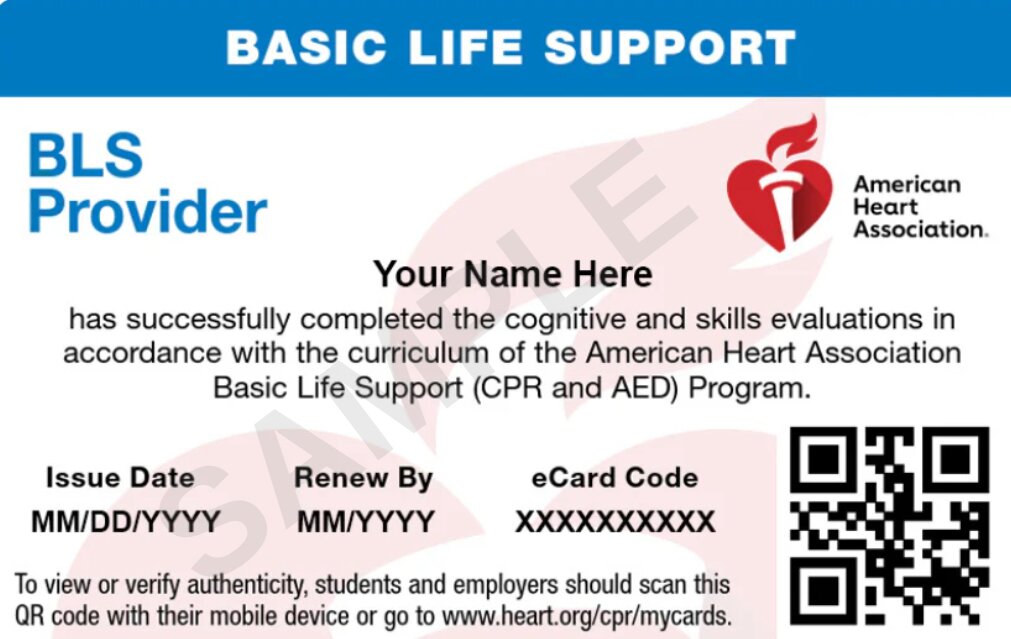
The American Heart Association issues provider course completion eCards that are generally valid for two years. It’s best to renew your certification before it expires so there is no gap in your credentials.
Many employers recommend scheduling your renewal several weeks before the expiration date. This gives you enough time to complete the course and receive your updated certification.
Step 1: Identify the Certification You Need
Before registering, confirm which course your employer, school, or licensing board requires.
Common renewal courses include:
- BLS Renewal for nurses, physicians, EMTs, paramedics, and other healthcare professionals.
- ACLS Renewal for advanced healthcare providers who manage cardiovascular emergencies.
- PALS Renewal for professionals who care for infants and children.
- Heartsaver CPR AED and First Aid Renewal for teachers, childcare providers, workplace employees, coaches, and community members.
Choosing the correct course ensures your certification meets your employer’s requirements.
Step 2: Select Your Training Format
Maryland CPR Classes offers flexible renewal options to fit different schedules and learning preferences.
Self-Guided Learning
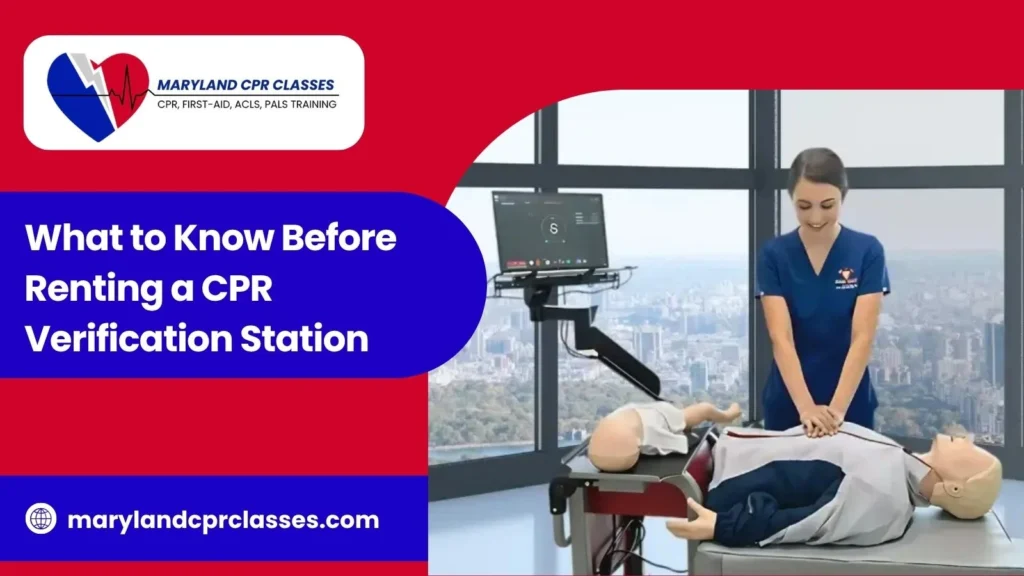
This option combines online learning with a short in-person skills assessment at a CPR Verification Station.
You’ll complete the educational portion online before visiting the training location to demonstrate your CPR skills using a Voice-Assisted Manikin.
Many healthcare professionals choose this format because it offers greater scheduling flexibility.
Instructor-Led Training
If you prefer classroom instruction, instructor-led courses provide hands-on practice with guidance from an AHA-certified instructor. You’ll review key concepts, practice skills, and complete your assessment during the scheduled class.
Both options lead to the same official AHA course completion eCard when all course requirements are successfully completed.
Step 3: Complete the Required Training
The renewal course reviews the essential skills needed to respond to cardiac and breathing emergencies.
Depending on your certification, you’ll practice:
- High-quality CPR
- AED operation
- Rescue breathing
- Adult, child, and infant CPR
- Choking relief techniques
- Team-based resuscitation (BLS, ACLS, and PALS)
- Emergency response scenarios
Renewal courses also reinforce the latest AHA guidelines and best practices.
Step 4: Complete the Skills Assessment
If you’re completing Self-Guided Learning, you’ll attend a scheduled skills session at a CPR Verification Station.
During the assessment, a Voice-Assisted Manikin measures:
- Compression depth
- Compression rate
- Chest recoil
- Hand placement
- Ventilation quality
You’ll receive immediate feedback throughout the assessment, helping you demonstrate the required CPR skills successfully.
Students attending instructor-led classes complete their skills evaluation with an AHA-certified instructor.
Step 5: Receive Your Updated Certification
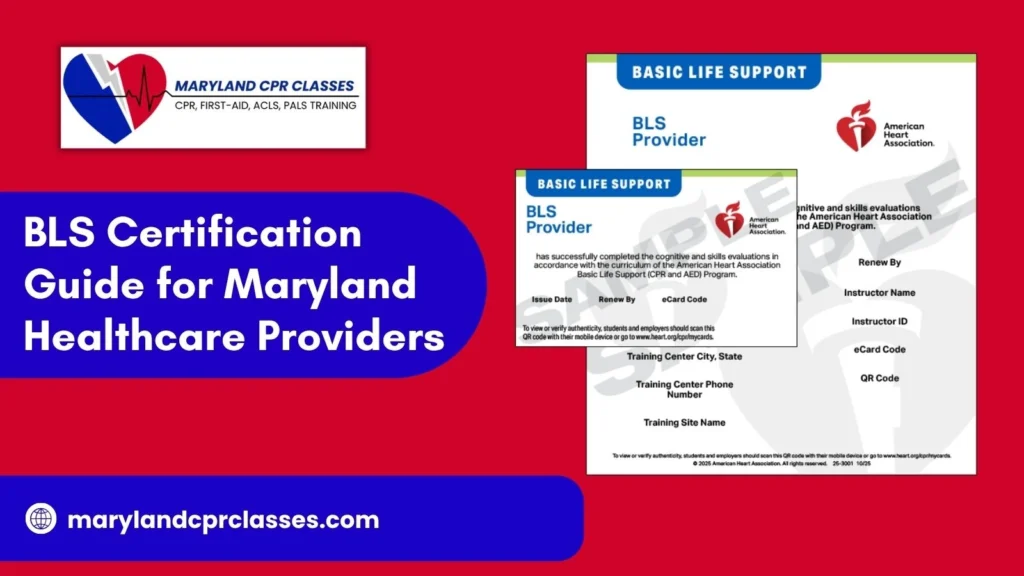
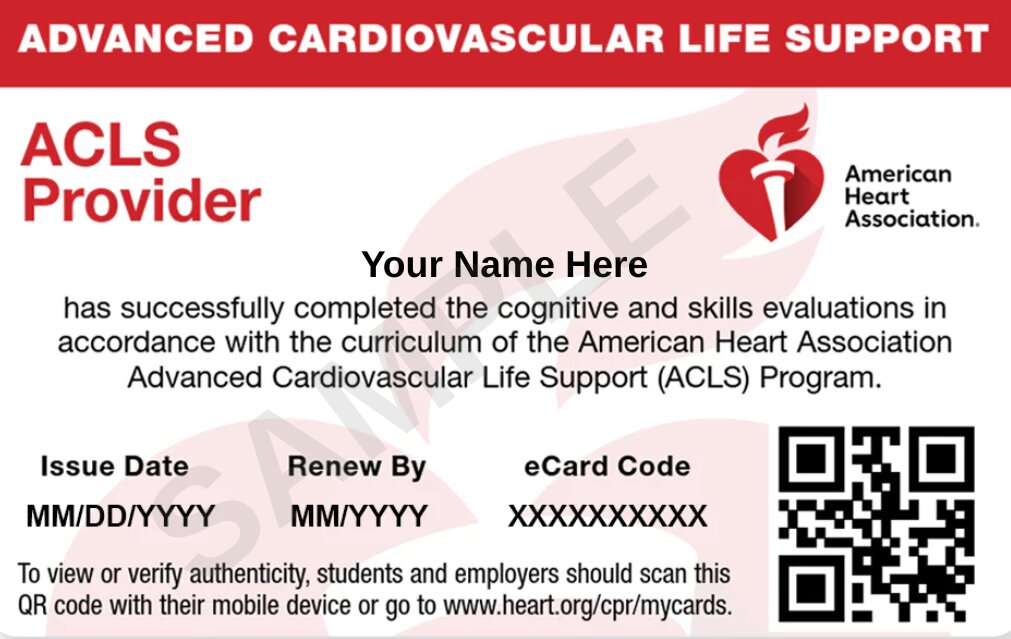
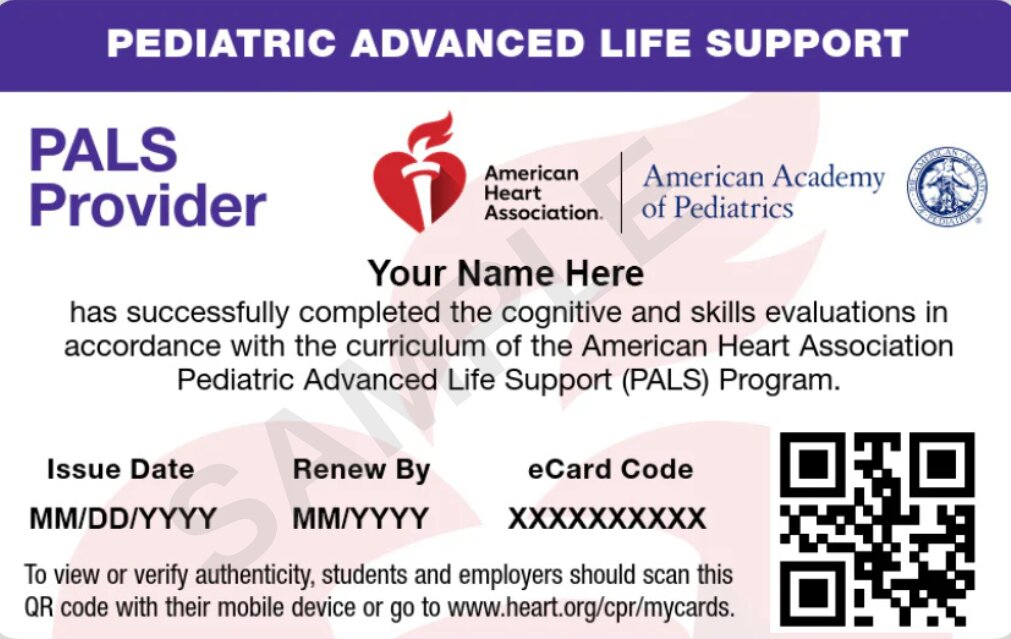
After successfully completing all course requirements, you’ll receive your official American Heart Association course completion eCard.
This digital certification can be shared with employers, licensing boards, or educational institutions as proof of successful course completion.
Why Renew Before Your Certification Expires?
Renewing early offers several benefits:
- Maintain uninterrupted certification
- Meet employer and licensing requirements
- Stay current with AHA guidelines
- Avoid scheduling delays
- Keep your CPR skills fresh and up to date
For healthcare professionals, maintaining an active certification is often a condition of employment or clinical placement.
Who Needs CPR Certification Renewal?
CPR renewal is commonly required for:
- Registered nurses
- Physicians
- EMTs and paramedics
- Medical assistants
- Respiratory therapists
- Dental professionals
- Nursing and medical students
- Teachers
- Childcare providers
- Lifeguards
- Fitness instructors
- Workplace safety teams
If you’re unsure which certification you need, check with your employer before registering.
Tips for a Smooth Renewal
To make the renewal process easier:
- Register before your certification expires.
- Verify that you’re enrolling with an authorized AHA Training Center.
- Complete any required online coursework before your skills appointment.
- Bring any requested documentation to your class or skills session.
- Save a copy of your updated eCard for your records and employer.
Planning ahead can help you avoid last-minute scheduling issues.
Conclusion
Knowing how to renew your CPR certification in Maryland makes it easier to keep your credentials current and continue meeting workplace requirements. By choosing the right AHA renewal course, completing the required training, and successfully demonstrating your skills, you can maintain your certification with confidence.
Whether you’re renewing BLS, ACLS, PALS, or Heartsaver CPR and First Aid, Maryland CPR Classes offers flexible options through instructor-led courses and Self-Guided Learning with CPR Verification Stations, helping you complete your renewal on a schedule that works for you.