
If you’re beginning a career in healthcare or preparing for a new role in a hospital, you’ve likely been asked to complete Advanced Cardiovascular Life Support (ACLS) training. For many nurses, physicians, paramedics, and other healthcare professionals, ACLS certification is a common employment requirement.
But what exactly is ACLS training, and who needs it?
Unlike a standard CPR course, ACLS prepares healthcare providers to recognize and manage serious cardiovascular emergencies. It builds on Basic Life Support (BLS) skills and introduces advanced techniques used during cardiac arrest, stroke, and other life-threatening situations.
In this guide, you’ll learn what ACLS training is, what the course covers, who should take it, and how to choose the right ACLS certification program in Maryland.
What Is ACLS Training?
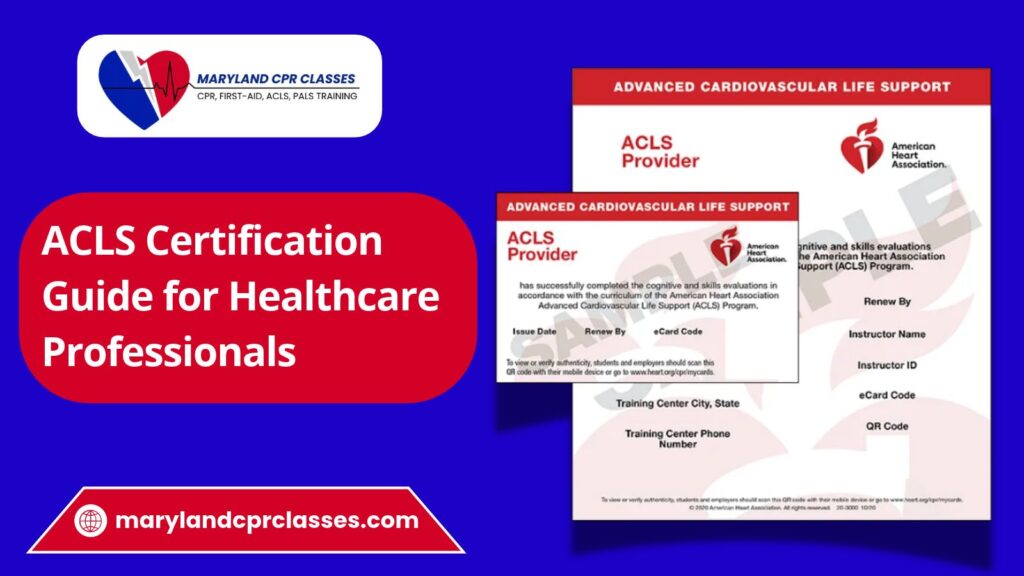
ACLS stands for Advanced Cardiovascular Life Support. It is an American Heart Association (AHA) training program that teaches healthcare providers how to respond to adults experiencing life-threatening cardiovascular emergencies.
ACLS focuses on conditions such as:
- Cardiac arrest
- Heart attack
- Stroke
- Bradycardia (abnormally slow heart rate)
- Tachycardia (abnormally fast heart rate)
- Respiratory emergencies
The course emphasizes rapid assessment, evidence-based treatment, effective teamwork, and advanced emergency interventions. Healthcare providers learn how to recognize dangerous heart rhythms, provide high-quality CPR, use defibrillation equipment, and communicate efficiently during a medical emergency.
Because ACLS involves advanced patient care, it is intended for trained healthcare professionals rather than the general public.
What Does ACLS Stand For?
Understanding the name helps explain the purpose of the course.
Advanced
ACLS goes beyond basic CPR skills and is intended for healthcare providers who may need to make clinical decisions during an emergency.
Cardiovascular
The training focuses on emergencies involving the heart and blood vessels, including cardiac arrest, heart attacks, and certain rhythm disturbances.
Life Support
Students learn interventions that support breathing and circulation while following current American Heart Association guidelines.
Who Needs ACLS Training?
ACLS training is commonly required for healthcare professionals who may respond to cardiovascular emergencies in clinical settings.
People who often need ACLS certification include:
- Physicians
- Registered nurses
- Nurse practitioners
- Physician assistants
- EMTs
- Paramedics
- Respiratory therapists
- ICU nurses
- Emergency department staff
- Cardiac care nurses
- Critical care personnel
- Medical residents
Many hospitals and healthcare facilities throughout Maryland require ACLS certification before employees begin working in emergency, intensive care, telemetry, or other high-acuity departments.
What Will You Learn During ACLS Training?
ACLS courses cover a wide range of advanced emergency care topics. The goal is to help healthcare providers respond quickly and effectively when a patient’s condition becomes critical.
Core skills taught in ACLS
AHA-based
High-Quality CPR
Students review and practice high-quality CPR for adults, including compression depth, compression rate, chest recoil, and minimizing interruptions.
Airway Management
Healthcare providers learn techniques for managing a patient’s airway and supporting ventilation during respiratory emergencies.
Cardiac Rhythm Recognition
One of the most important parts of ACLS is identifying dangerous heart rhythms that require immediate treatment.
ACLS Algorithms
Students learn standardized treatment algorithms for conditions such as:
- Bradycardia
- Tachycardia
- Cardiac arrest
- Post-cardiac arrest care
Defibrillation
Providers learn when and how to use defibrillation and synchronized cardioversion equipment safely.
Medication Basics
The course introduces medications commonly used during ACLS emergencies according to current American Heart Association guidelines.
Team Communication
ACLS emphasizes clear communication, leadership, and coordination among healthcare providers during resuscitation efforts.
What Makes ACLS Different From Standard CPR?
Think of CPR as the foundation and ACLS as the next level of emergency cardiovascular care.
A person with CPR training can provide chest compressions, use an AED, and assist during a cardiac emergency. A healthcare provider with ACLS training can also recognize specific heart rhythms, manage advanced airways, lead a resuscitation team, and follow evidence-based treatment algorithms.
This is why ACLS certification is typically required for professionals who work in emergency departments, intensive care units, ambulances, and other advanced healthcare settings.
Why Maryland Healthcare Providers Often Need ACLS
Hospitals and healthcare organizations throughout Maryland frequently require ACLS certification because staff may encounter patients with serious cardiovascular emergencies.
For example, a nurse working in a telemetry unit may need to recognize a dangerous heart rhythm, while an emergency department physician may need to coordinate a full cardiac arrest response. ACLS training helps prepare healthcare providers for these situations by teaching a consistent, guideline-based approach.
For many healthcare professionals, ACLS certification is not only a job requirement but also an important part of maintaining clinical readiness.
What Happens After ACLS Training?
After completing the educational portion of the course, students demonstrate the required skills and complete the course evaluation process according to American Heart Association standards.
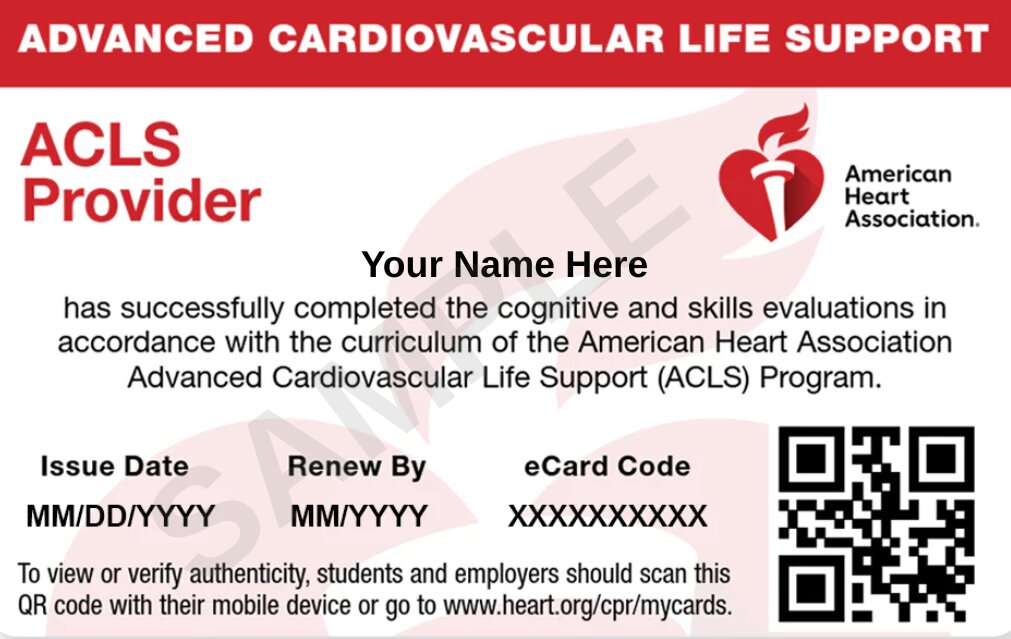
Healthcare providers who successfully complete all course requirements receive their ACLS course completion card, which can then be used for employment, hospital credentialing, or clinical program requirements.
ACLS vs. BLS: What’s the Difference?
Although ACLS and Basic Life Support (BLS) are both based on American Heart Association guidelines, they serve different purposes. Understanding the difference can help you choose the right course for your role.
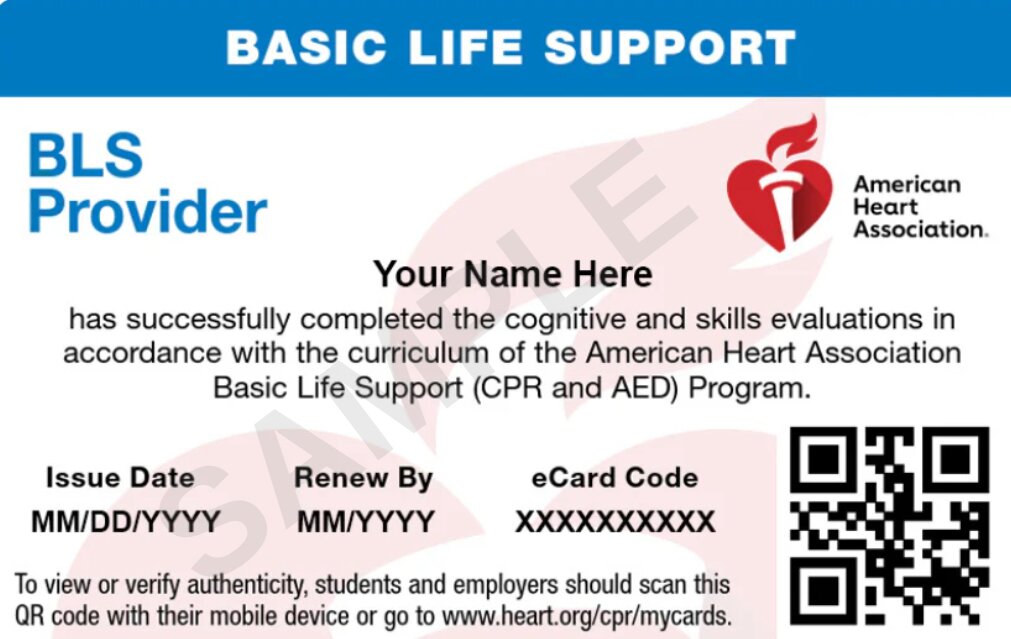
BLS provides the foundation for responding to cardiac and respiratory emergencies. ACLS builds on those skills by introducing advanced assessment, treatment, and team-based care for healthcare providers.
| BLS Certification | ACLS Certification |
| Focuses on basic life support skills | Focuses on advanced cardiovascular care |
| Includes high-quality CPR and AED use | Includes advanced cardiac assessment and treatment |
| Covers single-rescuer and team CPR | Covers team leadership during medical emergencies |
| Introduces basic airway management | Covers advanced airway management techniques |
| Suitable for many healthcare professionals | Intended for providers managing critical patients |
| Often required for entry into healthcare roles | Commonly required for emergency, critical care, and advanced clinical roles |
One important point to remember is that ACLS does not replace BLS. Instead, it expands on the knowledge and skills taught in a BLS course.
Learn in detail: ACLS vs. BLS
Is BLS Required Before Taking ACLS?
While BLS may not always be listed as a formal prerequisite, healthcare providers should already have a solid understanding of BLS skills before enrolling in an ACLS course.
This is because ACLS assumes students can already:
- Perform high-quality CPR
- Use an Automated External Defibrillator (AED)
- Recognize cardiac arrest
- Work as part of a resuscitation team
- Provide basic airway support
Most nurses, physicians, EMTs, paramedics, and healthcare students complete BLS certification before taking ACLS. Having a strong BLS foundation allows students to focus on the advanced concepts introduced during ACLS training.
If you’re just starting your healthcare career and have not yet completed BLS certification, it’s generally recommended to begin with BLS before moving on to ACLS.
How Long Does ACLS Training Take?
The length of an ACLS course can vary depending on several factors, including:
- Whether you’re taking the course for the first time or renewing your certification
- Your previous experience with emergency cardiovascular care
- The training format you choose
- How quickly you complete the educational portion of the course
Many healthcare providers choose Self-Guided Learning, which allows them to complete the educational content at their own pace before attending a shorter in-person skills session. This flexible approach can be especially helpful for professionals with busy work schedules.
Regardless of the format, students must successfully complete both the knowledge and skills requirements established by the American Heart Association.
Benefits of ACLS Certification
For many healthcare professionals, ACLS certification offers benefits that extend beyond meeting an employer’s requirements.
Strengthens Emergency Response Skills
ACLS helps providers recognize life-threatening cardiovascular emergencies early and respond using evidence-based treatment guidelines.
Builds Confidence in Critical Situations
Medical emergencies can be stressful, especially when multiple providers are involved. ACLS training helps healthcare professionals develop confidence by practicing emergency scenarios and team communication.
Supports Career Growth
Many hospitals, emergency departments, intensive care units, and specialty practices require ACLS certification for certain positions. Completing the course can open the door to additional career opportunities.
Improves Team Communication
Effective communication is a key part of patient care during emergencies. ACLS emphasizes assigning roles, sharing information clearly, and working together efficiently to improve patient outcomes.
Keeps Knowledge Current
American Heart Association guidelines are regularly updated to reflect the latest scientific evidence. ACLS training helps healthcare providers stay informed about current recommendations and best practices.
Common Mistakes Students Make Before Taking ACLS
Many first-time students make simple mistakes that can make the course more challenging than necessary. Avoiding these issues can help you get the most from your training.
Skipping a Review of BLS Skills
Because ACLS builds on BLS, reviewing CPR, AED use, and basic airway management before class can make learning advanced concepts much easier.
Waiting Until Certification Is Urgently Needed
Many employers and healthcare programs require ACLS before you begin working in certain clinical settings. Scheduling your course early helps prevent unnecessary delays.
Choosing the Wrong Course
Some students register for ACLS when they only need CPR or BLS certification. Before enrolling, confirm the exact certification your employer, hospital, or educational program requires.
Not Preparing for Team-Based Learning
Unlike basic CPR courses, ACLS places a strong emphasis on teamwork. Being ready to communicate clearly and work with other healthcare providers will help you succeed during training.
Assuming ACLS Is Only About Cardiac Arrest
While cardiac arrest is a major focus, ACLS also covers other cardiovascular emergencies, including bradycardia, tachycardia, stroke recognition, and post-cardiac arrest care. Understanding the broader scope of the course helps students prepare more effectively.
How ACLS Certification Works at Maryland CPR Classes
Maryland CPR Classes offers American Heart Association ACLS training for healthcare professionals who need certification for employment, clinical practice, or continuing education.
Whether you’re taking ACLS for the first time or renewing your certification, you’ll receive training that follows the latest American Heart Association guidelines while providing flexibility for your schedule.
Available courses include:
- ACLS Certification
- Basic Life Support (BLS)
- CPR Certification
- AED Training
- First Aid Certification
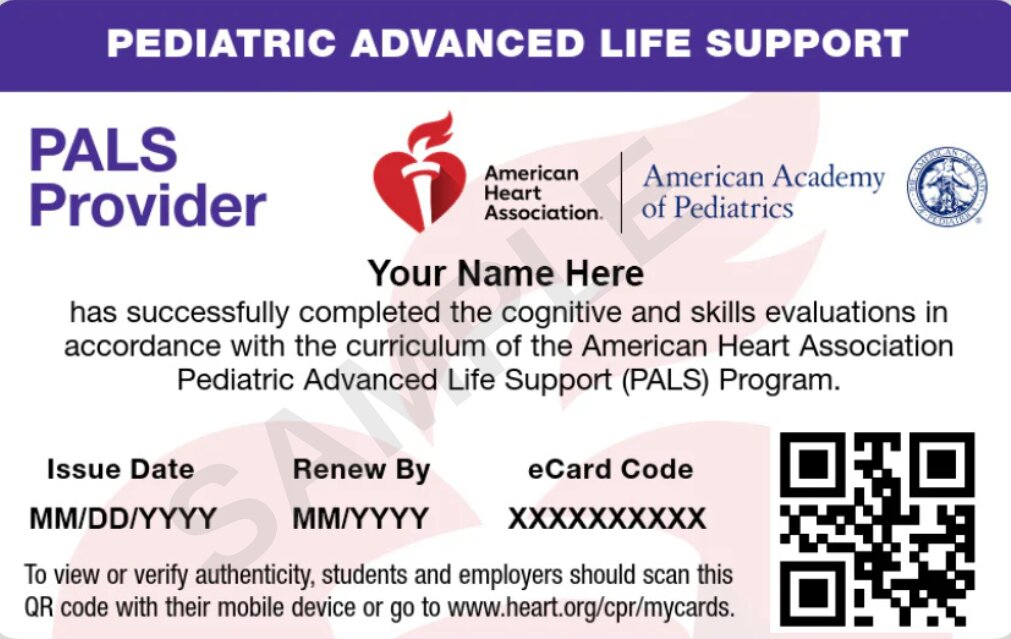
- Pediatric Advanced Life Support (PALS)
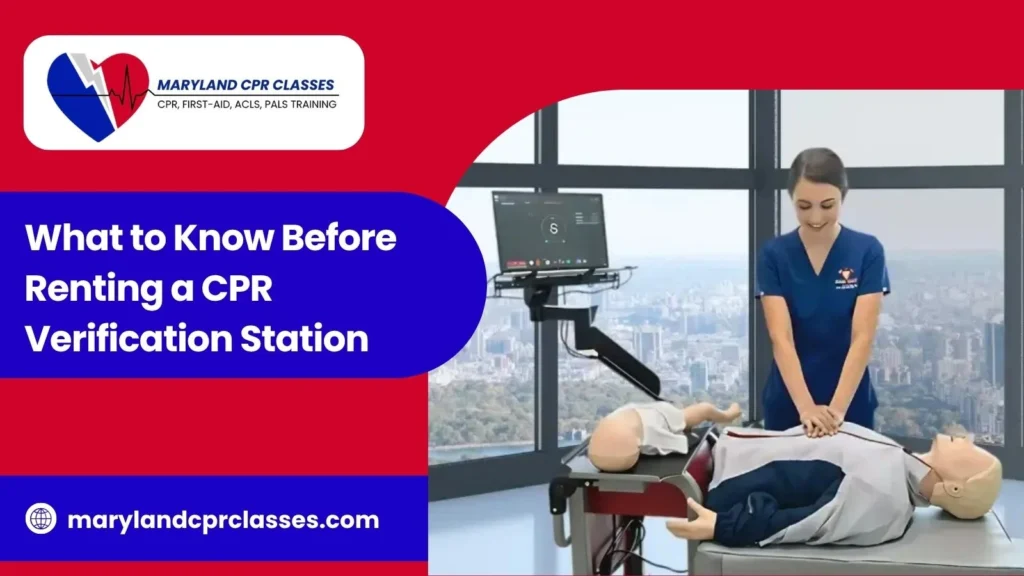
Many healthcare providers choose Self-Guided Learning, which combines online coursework with a short in-person skills session. After completing the educational portion, students visit a CPR Verification Station to demonstrate their skills using a Voice-Assisted Manikin.
This approach allows busy healthcare professionals to complete much of their learning on their own schedule while still meeting the hands-on skills requirements for American Heart Association certification.
Whether you’re a nurse working rotating shifts, a physician with a demanding schedule, or a healthcare student balancing coursework and clinical rotations, flexible training options can make certification more convenient.
Final Thoughts
So, what is ACLS training? It is an advanced American Heart Association program that prepares healthcare professionals to recognize, assess, and manage serious cardiovascular emergencies. While CPR and BLS focus on foundational life-saving skills, ACLS builds on that knowledge with advanced techniques, clinical decision-making, and coordinated team response.
If you work in emergency medicine, critical care, intensive care, or another clinical setting where cardiovascular emergencies may occur, ACLS certification is often an essential part of your professional training. It not only helps meet employer requirements but also strengthens your ability to provide effective patient care when it matters most.
Before enrolling, make sure you understand your employer’s or educational program’s certification requirements. Choosing the right course ensures you’re prepared with the skills and knowledge expected for your role.
At Maryland CPR Classes, healthcare professionals can complete American Heart Association ACLS training through flexible Self-Guided Learning, followed by a hands-on skills assessment at a CPR Verification Station using a Voice-Assisted Manikin. This format allows students to learn at their own pace while meeting AHA certification standards.
Whether you’re advancing your healthcare career, preparing for a new position, or renewing your credentials, ACLS training is an investment in your professional development and your ability to respond confidently during cardiovascular emergencies.
Frequently Asked Questions
What is the purpose of ACLS training?
ACLS training prepares healthcare professionals to recognize and manage cardiovascular emergencies such as cardiac arrest, stroke, and certain abnormal heart rhythms. It teaches evidence-based treatment strategies, effective teamwork, and advanced life support skills that build on Basic Life Support (BLS).
Is ACLS difficult?
Many students find ACLS more comprehensive than a CPR or BLS course because it introduces advanced concepts and clinical decision-making. However, healthcare professionals with a solid understanding of BLS skills and emergency patient care are generally well prepared to complete the course successfully.
Can nursing students take ACLS?
Yes. Many nursing students enroll in ACLS before beginning clinical rotations or after accepting positions that require advanced cardiovascular life support training. Be sure to check your nursing program’s specific requirements before registering.
Does ACLS include CPR?
Yes. High-quality CPR remains an essential part of ACLS. The course reviews CPR skills and teaches healthcare providers how to integrate them into advanced emergency care alongside airway management, cardiac rhythm recognition, and team-based resuscitation.
Is ACLS only for doctors?
No. Although physicians commonly complete ACLS training, the course is also intended for many other healthcare professionals, including nurses, paramedics, physician assistants, respiratory therapists, and other providers who may respond to cardiovascular emergencies.
How often should ACLS be renewed?
Healthcare employers and credentialing organizations generally require providers to maintain a current ACLS certification. Check with your employer or licensing organization for their renewal requirements and timelines.