
If you work with infants or children in a healthcare setting, you’ve probably heard of Pediatric Advanced Life Support (PALS) certification. Many hospitals, emergency departments, and pediatric healthcare facilities require this advanced training for professionals responsible for caring for seriously ill or injured children.
But what exactly is PALS certification, and who needs it?
PALS is an advanced training program developed by the American Heart Association (AHA). It prepares healthcare providers to recognize and respond to pediatric emergencies, including respiratory distress, respiratory failure, shock, and cardiac arrest. The course builds on Basic Life Support (BLS) skills and focuses on rapid assessment, effective teamwork, and evidence-based treatment.
In this guide, you’ll learn what PALS certification is, who should take the course, what you’ll learn during training, and how to choose the right PALS course in Maryland.
What Is PALS Certification?
PALS stands for Pediatric Advanced Life Support. It is an advanced American Heart Association course that teaches healthcare providers how to assess and manage life-threatening emergencies involving infants and children.
Unlike a standard CPR course, PALS focuses on advanced pediatric care. Students learn how to identify signs of deterioration early, provide appropriate interventions, and work effectively as part of a healthcare team during pediatric emergencies.
PALS training follows the latest American Heart Association guidelines and emphasizes both technical skills and team communication.
What Does PALS Stand For?
Understanding the name helps explain the purpose of the course.
Pediatric
The course focuses on emergency care for infants and children rather than adult patients.
Advanced
PALS expands beyond basic CPR by introducing advanced assessment, treatment strategies, and clinical decision-making.
Life Support
Students learn evidence-based interventions that help support breathing, circulation, and overall patient care during pediatric emergencies.
Why Is PALS Certification Important?
Children are not simply small adults. Their bodies respond differently during medical emergencies, and the causes of cardiac arrest often differ from those seen in adults.
For example, pediatric cardiac arrest is commonly preceded by respiratory failure or shock rather than sudden heart-related events. Because of these differences, healthcare providers need specialized training to recognize early warning signs and provide timely treatment.
PALS certification helps healthcare professionals:
- Recognize pediatric emergencies early
- Perform systematic patient assessments
- Deliver high-quality CPR
- Manage respiratory emergencies
- Work effectively within a resuscitation team
- Follow evidence-based treatment algorithms
This specialized knowledge can improve clinical confidence and support better patient care in high-pressure situations.
Who Needs PALS Certification?
PALS certification is intended for healthcare professionals who may care for critically ill or injured infants and children.
Common roles include:
- Pediatricians
- Emergency physicians
- Registered nurses
- Pediatric nurses
- Emergency department nurses
- Intensive care unit (ICU) staff
- Pediatric ICU (PICU) nurses
- Respiratory therapists
- Paramedics
- EMTs
- Physician assistants
- Nurse practitioners
- Medical residents
- Healthcare students entering pediatric clinical settings
Many Maryland hospitals and healthcare organizations require PALS certification for employees working in pediatric emergency care, intensive care, or specialty departments.
What Will You Learn During PALS Training?
PALS is a comprehensive course that combines classroom learning, hands-on practice, and scenario-based training.
Students learn how to recognize, assess, and manage pediatric emergencies using current American Heart Association guidelines.
Pediatric Assessment
Students learn a systematic approach to evaluating infants and children, helping them identify signs of respiratory distress, shock, or cardiac compromise before the patient’s condition worsens.
High-Quality CPR
The course reviews high-quality CPR techniques specifically for infants and children, emphasizing effective compressions, ventilation, and minimizing interruptions during resuscitation.
Airway and Breathing Management
Participants practice managing pediatric airways, supporting ventilation, and recognizing respiratory emergencies that commonly lead to cardiac arrest in children.
Cardiac Rhythm Recognition
Healthcare providers learn to recognize pediatric cardiac rhythms and understand appropriate treatment approaches based on established guidelines.
PALS Algorithms
Students become familiar with treatment algorithms used for pediatric emergencies, allowing them to make informed clinical decisions during critical situations.
Team Dynamics
PALS emphasizes communication, leadership, and coordinated teamwork, helping healthcare providers work efficiently during pediatric resuscitation efforts.
PALS vs. ACLS: What’s the Difference?
Many healthcare professionals are unsure whether they need ACLS, PALS, or both.
The answer depends on the patients you care for.
Advanced Cardiovascular Life Support (ACLS) focuses on managing cardiovascular emergencies in adults, while PALS prepares healthcare providers to care for infants and children experiencing life-threatening emergencies.
Here’s a comparison.
| ACLS | PALS |
|---|---|
| Adult patients | Infants and children |
| Adult cardiac emergencies | Pediatric respiratory and cardiac emergencies |
| Adult treatment algorithms | Pediatric treatment algorithms |
| Adult rhythm recognition | Pediatric assessment and rhythm recognition |
| Advanced adult life support | Advanced pediatric life support |
Many emergency physicians, emergency department nurses, paramedics, and critical care providers maintain both ACLS and PALS certifications because they treat patients of all ages.
Is BLS Required Before Taking PALS?
Although BLS may not always be listed as a formal prerequisite, healthcare providers should already have a strong understanding of Basic Life Support before enrolling in PALS.
PALS assumes students are familiar with essential life-saving skills such as:
- High-quality CPR
- Basic airway management
- AED use
- Team-based resuscitation
- Basic patient assessment
Because PALS focuses on advanced pediatric emergencies, students who already have a solid BLS foundation often find it easier to understand the more advanced concepts covered during the course.
If you’re new to healthcare or have not yet completed BLS certification, it’s generally recommended to begin with BLS before progressing to PALS.
Who Should Take PALS Certification?
PALS is intended for healthcare professionals who may be responsible for assessing or treating pediatric patients during emergencies.
You may benefit from PALS certification if you work in:
- Pediatric hospitals
- Children’s hospitals
- Emergency departments
- Intensive care units
- Pediatric intensive care units (PICUs)
- Neonatal intensive care units (NICUs)
- Ambulance services
- Urgent care centers
- Surgical recovery units
- Healthcare education programs
Healthcare students preparing for careers in pediatric or emergency medicine may also choose to complete PALS certification as part of their professional development.
Who Does Not Need PALS Certification?
PALS is an advanced healthcare course and is generally not necessary for people who only need basic CPR training.
You probably do not need PALS if you are:
- A parent learning CPR for home use
- A teacher or school employee
- A childcare provider
- A coach
- A fitness instructor
- A workplace employee meeting general CPR requirements
- A community volunteer
For these individuals, a CPR and AED course or First Aid certification is usually the more appropriate option.
Choosing the course that matches your responsibilities helps ensure you receive training that is both practical and relevant.
How Long Does PALS Training Take?
The time required to complete PALS certification varies depending on several factors, including:
- Whether you’re taking the course for the first time or renewing your certification
- Your previous clinical experience
- The training format you select
- How quickly you complete any required educational materials
Many healthcare professionals prefer flexible learning options that allow them to complete the educational portion before attending a scheduled hands-on skills session.
Regardless of the learning format, students must successfully complete all knowledge and skills requirements established by the American Heart Association.
Benefits of PALS Certification
For healthcare professionals who care for pediatric patients, PALS certification offers benefits that extend beyond meeting workplace requirements.
Improves Clinical Confidence
Pediatric emergencies can be stressful because children often present differently than adults. PALS helps healthcare providers recognize warning signs early and respond with greater confidence.
Strengthens Team Communication
Effective communication is essential during pediatric emergencies.
PALS emphasizes clear leadership, role assignments, and teamwork so providers can work together efficiently during critical situations.
Supports Career Advancement
Many hospitals and healthcare organizations require PALS certification for pediatric, emergency, and critical care positions.
Maintaining current certification can improve employment opportunities and professional growth.
Reinforces Evidence-Based Care
PALS follows current American Heart Association guidelines, helping providers stay informed about recommended approaches to pediatric emergency care.
Builds Practical Skills
Through realistic scenarios and hands-on practice, healthcare professionals strengthen their ability to assess patients, prioritize treatment, and provide coordinated emergency care.
Common Mistakes Students Make Before Taking PALS
Preparing for PALS is easier when you know what to expect.
Some common mistakes include:
Skipping a Review of BLS Skills
PALS builds on BLS knowledge. Reviewing CPR, airway management, and basic assessment beforehand can make the course easier to follow.
Waiting Until the Last Minute
Many healthcare professionals wait until just before a certification expires or a new job begins.
Scheduling your course early provides more flexibility and reduces unnecessary stress.
Enrolling Without Confirming Employer Requirements
Some employers require both BLS and PALS, while others may require additional certifications such as ACLS.
Always verify your employer’s expectations before registering.
Underestimating the Course
PALS covers advanced assessment, treatment algorithms, and pediatric emergency scenarios.
Preparing ahead of time helps students feel more confident throughout the course.
How PALS Certification Works at Maryland CPR Classes
Whether you’re earning your first PALS certification or renewing your credentials, Maryland CPR Classes offers a flexible way to complete your American Heart Association training.
Maryland CPR Classes is powered by Same Day CPR, an authorized American Heart Association Training Center. Students complete the required online educational portion through Self-Guided Learning before attending a scheduled hands-on skills session.
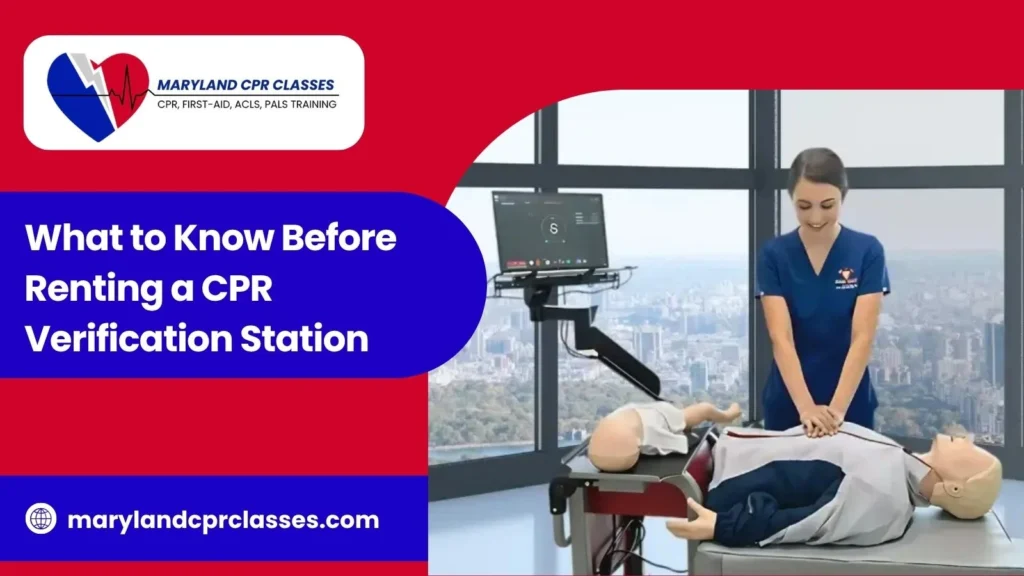
During the in-person portion, you’ll complete your skills assessment at a CPR Verification Station using a Voice-Assisted Manikin. The manikin provides real-time feedback on key CPR performance metrics, helping ensure your skills meet American Heart Association course requirements.
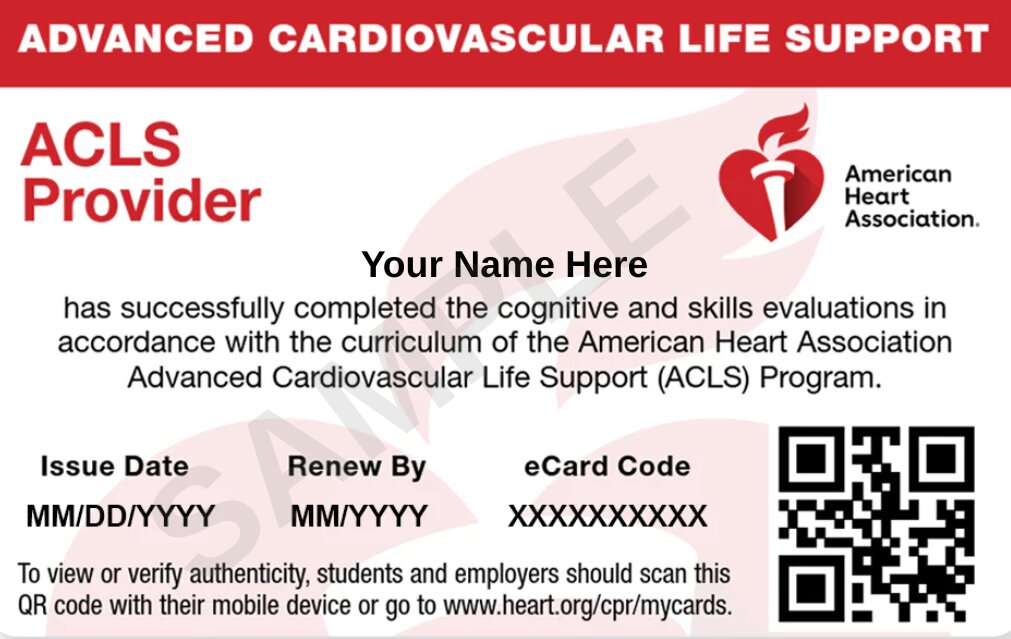
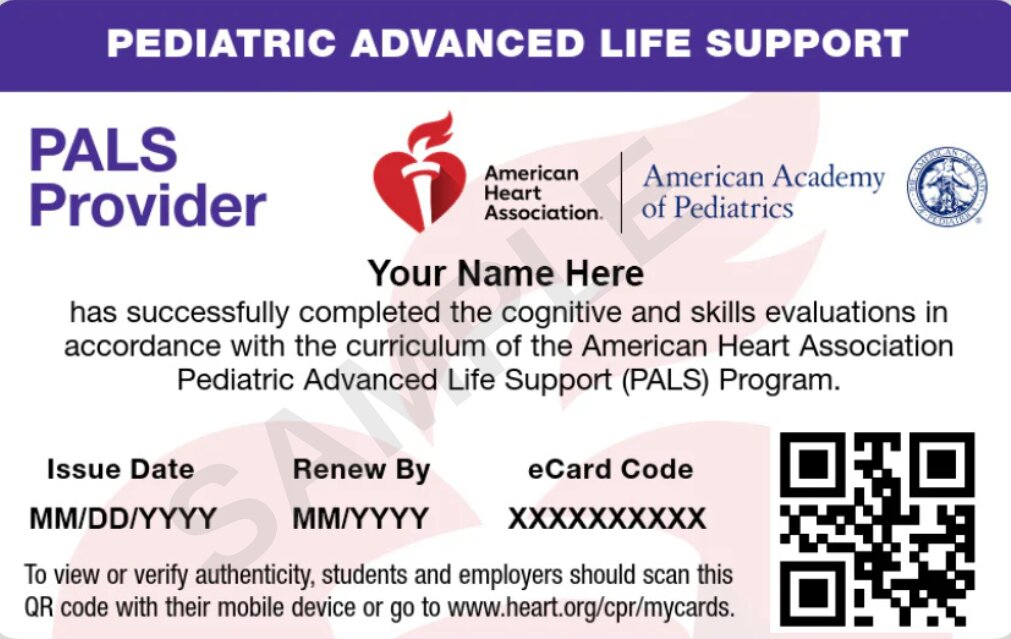
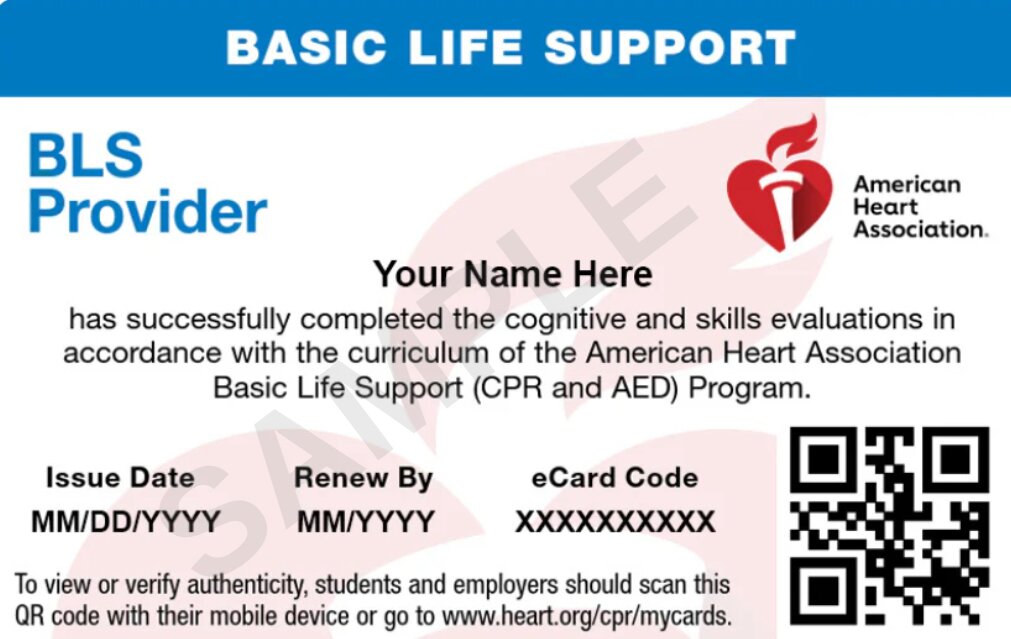
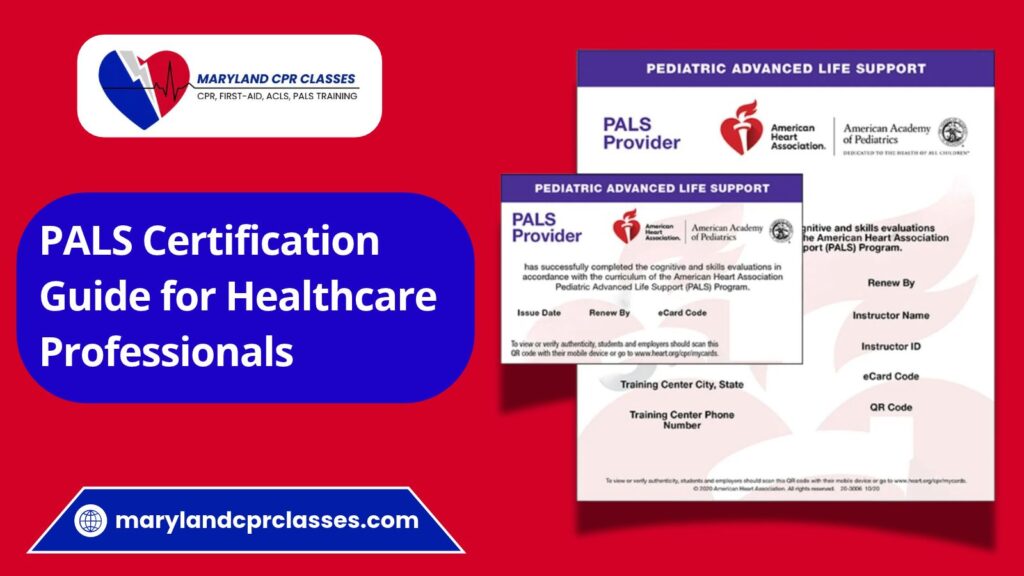
After successfully completing both the online learning and hands-on skills assessment, you’ll receive your official American Heart Association course completion eCard.
This flexible learning format allows healthcare professionals to complete much of the course on their own schedule while still meeting the practical skills requirements for certification.`
American Heart Association Courses Available
In addition to PALS certification, Maryland CPR Classes offers a full range of AHA courses for healthcare professionals and community members, including:
- CPR and AED Certification
- Heartsaver CPR AED
- First Aid Training
- Basic Life Support (BLS)
- Advanced Cardiovascular Life Support (ACLS)
- Pediatric Advanced Life Support (PALS)
Whether you’re starting your healthcare career or renewing multiple certifications, you can complete your required training through one trusted provider.
Flexible Learning Options for Busy Healthcare Professionals
Healthcare providers often work long shifts, rotating schedules, and on-call hours, making it difficult to attend traditional classroom courses.
To provide greater flexibility, many PALS courses are available through Self-Guided Learning.
With this format, students:
- Complete the required educational content online at their own pace.
- Schedule a convenient in-person skills session.
- Demonstrate their skills at a CPR Verification Station.
- Receive immediate performance feedback from a Voice-Assisted Manikin.
- Receive their official American Heart Association course completion eCard after successfully meeting all course requirements.
This blended learning format allows students to complete much of their coursework on their own schedule while still fulfilling the hands-on skills assessment required for AHA certification.
Why Healthcare Providers Choose Maryland CPR Classes
Healthcare professionals throughout Maryland choose Maryland CPR Classes because of its commitment to high-quality instruction and convenient training options.
Some of the benefits include:
- American Heart Association courses
- Flexible class schedules
- Self-Guided Learning options
- Modern CPR Verification Stations
- Voice-Assisted Manikins that provide real-time feedback
- Convenient training locations across Maryland
- Courses for individuals, healthcare teams, and organizations
Whether you’re a nursing student preparing for clinical rotations, a respiratory therapist renewing your certification, or a physician adding a new credential, Maryland CPR Classes offers training that fits your professional needs.
Final Thoughts
Pediatric emergencies require quick thinking, strong clinical knowledge, and effective teamwork. PALS certification helps healthcare professionals develop the skills needed to recognize serious conditions early, provide appropriate care, and work confidently during high-pressure situations involving infants and children.
Whether you’re a pediatric nurse, emergency physician, respiratory therapist, paramedic, or healthcare student, PALS certification is an important step in building your knowledge and meeting the requirements of many healthcare employers and educational programs.
If you’re looking for American Heart Association PALS certification in Maryland, Maryland CPR Classes offers a flexible certification experience through Same Day CPR, an authorized American Heart Association Training Center. Complete your course through Self-Guided Learning, then finish your required hands-on skills assessment at a CPR Verification Station using a Voice-Assisted Manikin. After successfully completing all course requirements, you’ll receive your official American Heart Association course completion eCard.
Whether you’re earning your first certification or renewing your credentials, our team is here to help you gain the skills and confidence needed to care for pediatric patients when it matters most.
Frequently Asked Questions
What is PALS certification used for?
PALS certification prepares healthcare professionals to recognize and manage pediatric emergencies, including respiratory distress, shock, and cardiac arrest. It is commonly required for providers who care for infants and children in hospitals, emergency departments, and critical care settings.
Is PALS certification only for pediatric nurses?
No. PALS is appropriate for many healthcare professionals who may respond to pediatric emergencies, including physicians, emergency nurses, paramedics, respiratory therapists, physician assistants, nurse practitioners, and other providers caring for infants and children.
Does PALS include CPR training?
Yes. High-quality CPR is an essential part of PALS. The course builds on existing BLS skills and teaches how CPR is integrated into advanced pediatric emergency care.
Should I take BLS before PALS?
Yes. PALS builds on the knowledge and skills taught in Basic Life Support (BLS). Healthcare providers are expected to understand core BLS concepts before taking a PALS course.
Is PALS difficult?
PALS is more advanced than a standard CPR course because it covers pediatric assessment, emergency treatment algorithms, and team-based care. Healthcare providers with a strong BLS foundation typically find the course manageable with appropriate preparation.
Can I take ACLS and PALS together?
Yes. Many healthcare professionals maintain both certifications, especially those who treat patients of all ages. Emergency physicians, emergency department nurses, paramedics, and critical care providers often require both ACLS and PALS.
Will I receive an American Heart Association eCard?
Yes. Students who successfully complete all course requirements receive an official American Heart Association course completion eCard.
Can I renew my PALS certification through Self-Guided Learning?
Yes. Eligible students can complete the educational portion through Self-Guided Learning before attending an in-person skills assessment at a CPR Verification Station using a Voice-Assisted Manikin.