

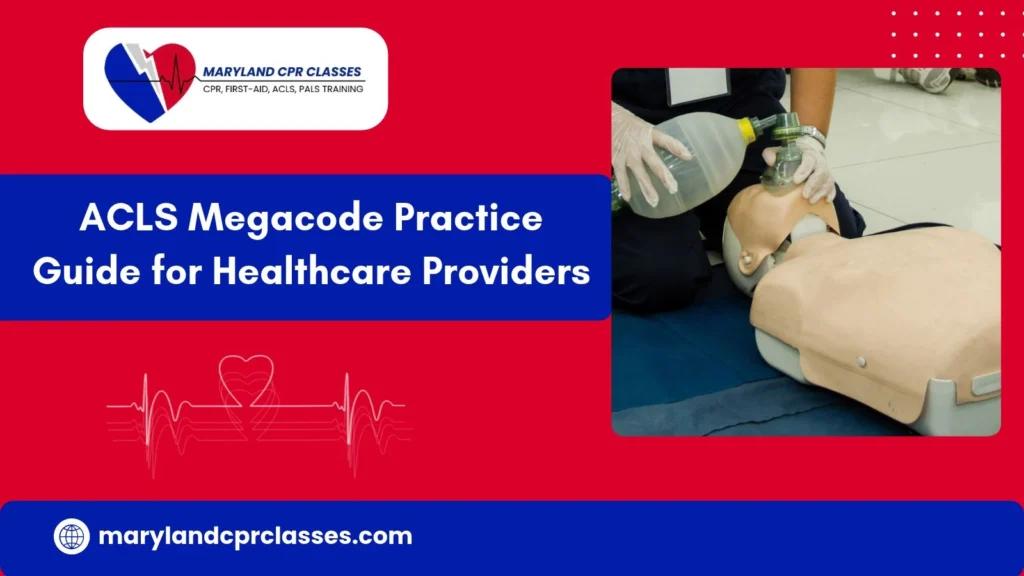
An ACLS Megacode is a simulated cardiac emergency used to assess how healthcare professionals respond to life-threatening cardiovascular conditions. During a Megacode scenario, participants must recognize the patient’s condition, interpret cardiac rhythms, follow the appropriate resuscitation algorithm, and coordinate interventions with the healthcare team.
Megacode practice is an important part of Advanced Cardiovascular Life Support (ACLS) training. It helps healthcare professionals apply their knowledge of cardiac arrest management, bradycardia, tachycardia, and post-cardiac arrest care in a structured clinical scenario.
Whether you are preparing for an AHA ACLS course, renewing your certification, or strengthening your resuscitation skills, understanding how a Megacode works can help you prepare for the assessment.
What Is an ACLS Megacode?
An ACLS Megacode is a simulated emergency scenario in which healthcare professionals demonstrate their ability to manage a patient experiencing a serious cardiovascular emergency.
The scenario typically involves a simulated patient, a cardiac monitor, and a team of healthcare providers. Participants must assess the patient’s condition, identify the cardiac rhythm, select the appropriate treatment pathway, and communicate clearly throughout the response.
Depending on the scenario, the patient may develop a shockable rhythm, a nonshockable rhythm, symptomatic bradycardia, or tachycardia. The patient’s condition may also change as the scenario progresses, requiring the team to reassess and adjust its response.
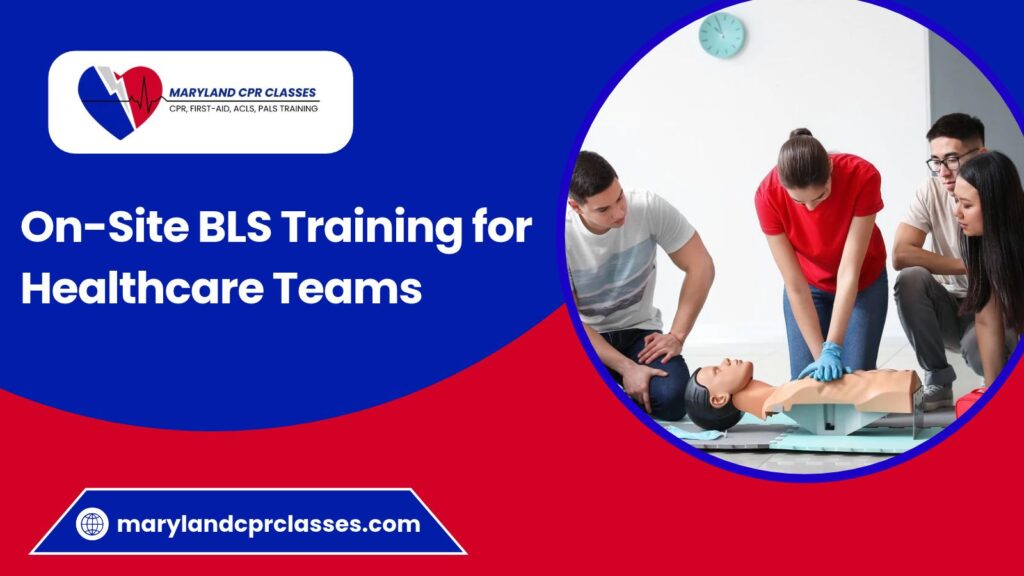
During ACLS training, Megacode practice evaluates more than knowledge of treatment algorithms. Healthcare providers must also demonstrate effective CPR, appropriate rhythm management, timely interventions, and coordinated team performance.
The American Heart Association includes Megacode testing in its ACLS Provider Course. The course emphasizes systematic assessment, high-quality CPR, effective team dynamics, and appropriate use of ACLS algorithms.
What Happens During an ACLS Megacode?
A Megacode usually follows a structured sequence that allows healthcare providers to demonstrate their response to a developing emergency. The exact scenario and assessment requirements depend on the course and testing format.
1. Initial Patient Assessment
The scenario begins with a patient who has symptoms or signs of a cardiovascular emergency. The team must quickly assess the patient’s responsiveness, breathing, circulation, and overall condition.
If cardiac arrest is suspected, providers must recognize the emergency, activate the appropriate response, and begin CPR when indicated.
For a patient who still has a pulse, the assessment focuses on identifying the underlying problem and determining whether the patient is stable or unstable.
2. Cardiac Rhythm Recognition
Participants must interpret the rhythm displayed on the cardiac monitor and determine the appropriate management pathway.
Common rhythms addressed in ACLS training include:
- Ventricular fibrillation (VF)
- Pulseless ventricular tachycardia (pVT)
- Pulseless electrical activity (PEA)
- Asystole
- Symptomatic bradycardia
- Tachycardia with a pulse
Correct rhythm recognition is important because treatment differs depending on whether the patient has a pulse and whether the rhythm is shockable.
For example, ventricular fibrillation and pulseless ventricular tachycardia are treated with defibrillation and CPR. PEA and asystole require CPR and appropriate management without defibrillation for those rhythms.
3. Selecting the Appropriate ACLS Algorithm
After identifying the rhythm and assessing the patient’s condition, the team follows the relevant ACLS algorithm.
The algorithm provides a structured approach to assessment, CPR, rhythm checks, defibrillation when indicated, medications, and other interventions.
Participants must recognize when the patient’s condition changes and reassess the situation rather than continuing with a treatment plan that no longer applies.
4. Performing the Required Interventions
Depending on the scenario, participants may need to perform chest compressions, manage the airway, provide ventilation, deliver a shock, or administer indicated medications.
The team must also avoid unnecessary interruptions in CPR and coordinate rhythm checks and other procedures appropriately.
During a Megacode, the correct intervention depends on the patient’s rhythm, pulse status, clinical condition, and the applicable ACLS algorithm.
5. Reassessing the Patient
The scenario may change after an intervention. For example, a patient may develop a different rhythm, lose a pulse, or regain spontaneous circulation.
Participants must reassess the patient and respond to these changes. If return of spontaneous circulation (ROSC) occurs, the team transitions to appropriate post-cardiac arrest care.
This stage evaluates whether healthcare providers can adapt to changing clinical information rather than relying on memorized steps alone.
Common ACLS Megacode Scenarios
ACLS Megacode scenarios can involve several types of cardiovascular emergencies. Practicing different situations helps healthcare providers become familiar with the appropriate assessment and treatment pathways.
Ventricular Fibrillation and Pulseless Ventricular Tachycardia
Ventricular fibrillation and pulseless ventricular tachycardia are shockable cardiac arrest rhythms.
In these scenarios, healthcare providers must recognize the rhythm, initiate high-quality CPR, prepare for defibrillation, and follow the applicable cardiac arrest algorithm. Appropriate medications and continued rhythm assessment are also part of the response.
Team coordination is particularly important because CPR and defibrillation must be performed efficiently while minimizing interruptions.
Pulseless Electrical Activity and Asystole
PEA and asystole are nonshockable rhythms. The treatment pathway focuses on high-quality CPR, appropriate medication administration, rhythm reassessment, and identifying potentially reversible causes.
Healthcare providers should understand that an organized electrical rhythm does not necessarily indicate effective circulation. In PEA, the patient has electrical activity but no detectable pulse.
Asystole requires confirmation that the rhythm is not caused by a technical problem or a rhythm that has been misidentified. Defibrillation is not indicated for confirmed PEA or asystole.
Symptomatic Bradycardia
Bradycardia involves a slower-than-normal heart rate. In ACLS, the key issue is whether the slow rate is causing symptoms or signs of poor perfusion.
A Megacode may require participants to assess the patient’s condition, identify signs of instability, and follow the bradycardia algorithm.
Depending on the scenario, management may include appropriate medications or pacing. The selected intervention depends on the patient’s presentation and the current AHA algorithm.
Tachycardia With a Pulse
Tachycardia scenarios involve a patient with an abnormally fast heart rate and a detectable pulse.
Participants must assess whether the patient is stable, determine whether the rhythm is regular or irregular and narrow or wide, and identify signs of instability.
Unstable tachycardia may require synchronized cardioversion, while stable patients may require a different treatment pathway based on the rhythm and clinical presentation.
Post-Cardiac Arrest Care
Some Megacode scenarios continue after the patient regains a pulse.
Following ROSC, healthcare providers must assess oxygenation, ventilation, blood pressure, neurological status, and the likely cause of the arrest. They must then follow the applicable post-cardiac arrest care recommendations.
Successful resuscitation does not end when a pulse returns. Ongoing assessment and treatment are necessary to support the patient after cardiac arrest.
What Skills Are Assessed During an ACLS Megacode?
An ACLS Megacode evaluates the ability to apply resuscitation knowledge during a simulated emergency. Assessment criteria depend on the current course materials and testing checklist.
Important skills commonly include the following.
Rhythm Recognition and Clinical Assessment
Healthcare providers must interpret cardiac rhythms, determine whether a pulse is present, and recognize signs of instability.
They must also reassess the patient when the clinical situation changes and select the appropriate treatment pathway.
High-Quality CPR
Effective chest compressions are a fundamental part of cardiac arrest management. Participants should demonstrate the recommended compression rate and depth, allow complete chest recoil, and minimize interruptions.
For adults, the AHA recommends a compression rate of 100 to 120 compressions per minute and a depth of at least 2 inches (5 cm), while avoiding depths greater than 2.4 inches (6 cm).
Defibrillation and Cardioversion
Participants must understand the difference between defibrillation and synchronized cardioversion.
Defibrillation is used for shockable cardiac arrest rhythms such as VF and pulseless VT. Synchronized cardioversion may be indicated for certain tachyarrhythmias with a pulse, particularly when the patient is unstable.
The choice of intervention depends on the rhythm and the patient’s clinical condition.
Medication Knowledge
Megacode scenarios may assess knowledge of medications used during ACLS and the circumstances in which they are indicated.
Participants should know the medication, dose, route, and timing specified by the applicable algorithm. They must also understand that medication administration does not replace high-quality CPR or other indicated interventions.
Airway and Ventilation Management
Healthcare providers must understand how to support oxygenation and ventilation during resuscitation.
This includes providing appropriate ventilations, avoiding excessive ventilation, and using airway equipment within their training and scope of practice.
Team Leadership and Communication
Megacode scenarios often evaluate how effectively the team works together during an emergency.
The team leader should communicate decisions clearly, assign tasks, monitor progress, and ensure that interventions are performed appropriately. Team members should acknowledge instructions, report findings, and communicate changes in the patient’s condition.
Clear communication helps reduce confusion and supports coordinated resuscitation.
How to Prepare for an ACLS Megacode
Preparation involves understanding the algorithms, practicing clinical decision-making, and becoming comfortable with the roles performed during resuscitation.
Review the Current ACLS Algorithms
Study the current AHA ACLS algorithms for adult cardiac arrest, bradycardia, tachycardia, and post-cardiac arrest care.
Focus on the decisions that determine the next step. For example, know how pulse status and rhythm classification affect the cardiac arrest pathway.
Use the current course materials supplied or recommended by your AHA Training Center. The AHA ACLS Provider Manual has been updated with the 2025 Guidelines for CPR and ECC.
Practice Rhythm Recognition
Review common ACLS rhythms and practice identifying whether the patient has a shockable or nonshockable rhythm.
Also practice distinguishing tachycardia with a pulse from pulseless tachycardia. This distinction determines whether the team follows a cardiac arrest algorithm or a tachycardia pathway.
Strengthen BLS Skills
High-quality CPR remains essential during ACLS. Review compression rate, depth, recoil, ventilation, and the use of an AED or manual defibrillator as appropriate to your training.
Practicing these skills helps you maintain effective CPR while coordinating other interventions.
Learn the Team Roles
Understand the responsibilities of the team leader and other team members. Depending on the scenario, roles may include chest compressions, airway management, monitor and defibrillator operation, medication administration, and recording events.
Practice concise communication, task assignment, and closed-loop communication, in which a team member repeats an instruction and confirms when the task is complete.
Practice Complete Scenarios
Reviewing individual algorithms is useful, but Megacode preparation also requires applying them in sequence.
Practice scenarios that begin with different rhythms and include changes in the patient’s condition. After each practice session, review which decisions were appropriate and where assessment or communication could improve.
Common Mistakes to Avoid During an ACLS Megacode
Understanding common errors can help healthcare providers prepare more effectively.
Delaying CPR: When cardiac arrest is identified, start high-quality CPR promptly and follow the appropriate algorithm.
Misidentifying the rhythm: Confirm the rhythm and determine whether a pulse is present before choosing the treatment pathway.
Defibrillating a nonshockable rhythm: PEA and asystole are managed with CPR and appropriate interventions, not defibrillation.
Interrupting compressions unnecessarily: Coordinate rhythm checks, shocks, and other interventions to keep pauses as short as possible.
Forgetting reversible causes: During cardiac arrest management, consider potentially reversible causes while continuing appropriate resuscitation.
Giving unclear instructions: Use direct, specific commands and confirm that team members understand and complete assigned tasks.
Failing to reassess: After an intervention or rhythm change, reassess the patient and follow the pathway that matches the updated condition.
Is the ACLS Megacode Part of AHA ACLS Certification?
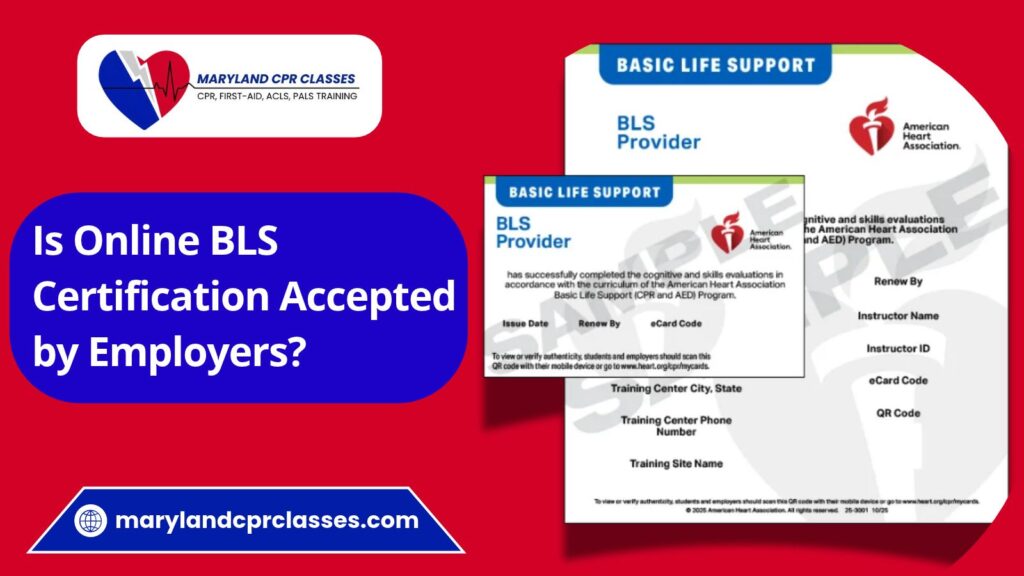
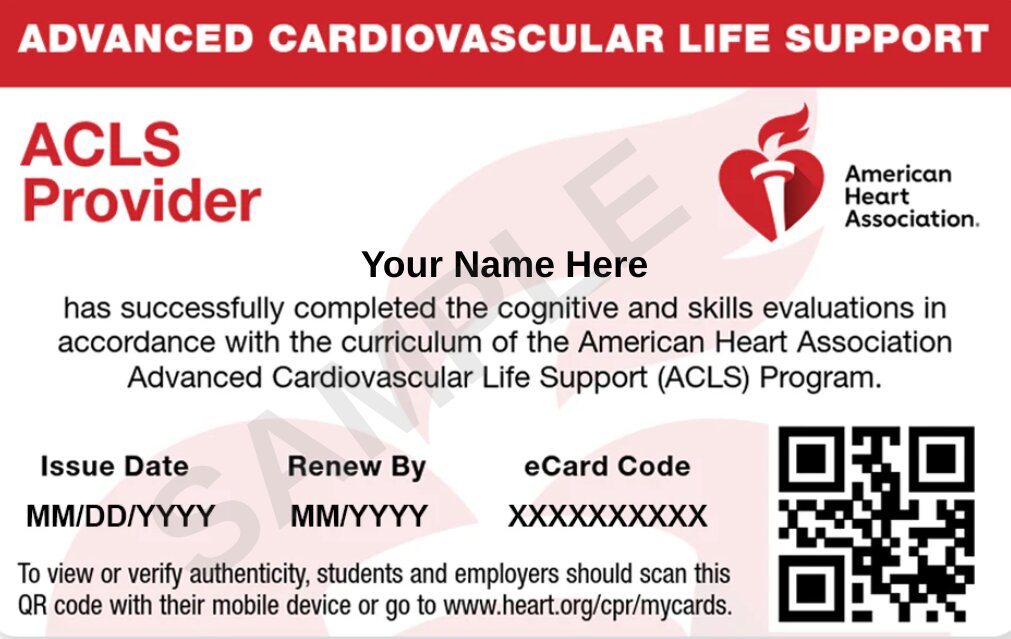
Megacode testing is part of the AHA ACLS Provider Course. Participants must meet the applicable course requirements to receive an ACLS Provider Course Completion Card.
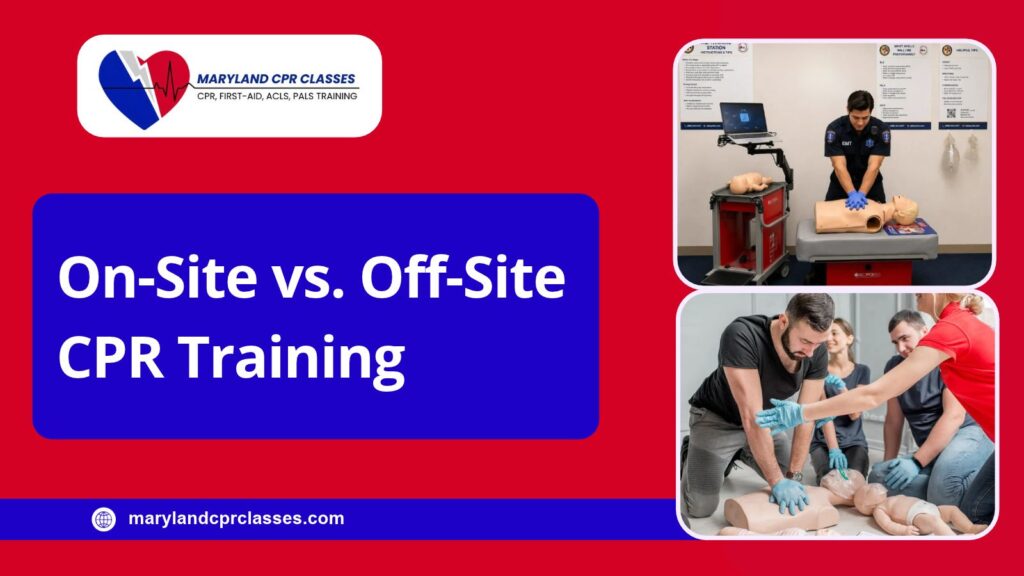
The AHA offers different ACLS learning formats, including classroom training and blended learning options. Depending on the format, the course may include online coursework followed by a hands-on skills session.
The exact skills practice, assessment process, and course requirements depend on the option selected. Confirm the details with your AHA Training Center before enrolling.
ACLS Training With Maryland CPR Classes
Healthcare professionals who need ACLS training can explore the AHA course options offered by Maryland CPR Classes.
Eligible learners may have access to Self-Guided Learning, which combines online coursework with a required hands-on skills session at a CPR Verification Station. The appropriate course format depends on availability and the requirements of the selected training option.
Frequently Asked Questions
Is the ACLS Megacode difficult?
The difficulty depends on your familiarity with ACLS algorithms, rhythm recognition, and team-based resuscitation. Reviewing the current course materials and practicing complete scenarios can help you prepare.
Do you have to memorize every ACLS algorithm?
You should understand the treatment pathways and the decisions that determine the next step. Follow the reference materials and testing rules permitted by your specific course rather than assuming that every assessment has the same requirements.
Is an ACLS Megacode the same as a real cardiac arrest?
No. A Megacode is a simulated scenario used for education and assessment. It allows healthcare providers to practice clinical decisions and teamwork without managing an actual patient in cardiac arrest.