Profession

CPR Training by Profession

Many healthcare professionals and first responders need CPR and advanced life support training as part of their work. At Maryland CPR Classes, we provide courses that help medical providers stay prepared for emergencies.
Our classes follow American Heart Association guidelines and include hands-on practice so participants can build the skills needed to respond during real-life situations.
Whether you are taking a course for the first time or renewing your provider card, our training helps you stay ready to respond when it matters most.

EMS & First Responders

Emergency responders are often the first to arrive during medical emergencies. Their training focuses on rapid response, teamwork, and advanced emergency care.

Medical Professionals

Healthcare providers frequently rely on CPR and emergency response skills when caring for patients. Training helps medical staff recognize life-threatening situations and respond quickly.

Physicians

Lead medical care decisions and perform emergency life-saving interventions

Registered Nurses (RNs)

Deliver continuous patient care and emergency response support

Nurse Practitioners

Provide advanced clinical care and manage urgent patient conditions

Physician Assistants

Support diagnosis, treatment, and emergency medical procedures efficiently

Medical Assistants

Assist clinicians with patient care and emergency readiness tasks

Physical Therapists

Help patients recover mobility while managing safety emergencies

Occupational Therapists

Support patient independence and respond to clinical emergencies

Medical Students

Learn essential skills for future clinical emergency care

Dental Professionals

Dental clinics also need CPR-trained staff to respond if a patient experiences a medical emergency during treatment.

Dentists

Perform procedures and manage medical emergencies during dental treatments

Dental Hygienists

Support oral care while monitoring patient safety during procedures

Dental Assistants

Assist with procedures and respond quickly to clinical emergencies

Orthodontic Staff

Ensure patient safety during orthodontic treatment and emergencies

Other Occupations

Some professions outside healthcare also require CPR training to improve safety and emergency readiness in workplaces and public spaces.

Teachers and school staff

Ensure student safety and respond to school emergencies

Fitness trainers

Manage injuries and sudden medical incidents effectively

Childcare providers

Protect children and respond to emergencies in care settings

Lifeguards

Prevent drowning incidents and provide immediate water rescue assistance

Workplace safety teams

Maintain emergency preparedness and respond to incidents

Security personnel

Handle emergencies and provide immediate first-response assistance
Courses

Our CPR Courses

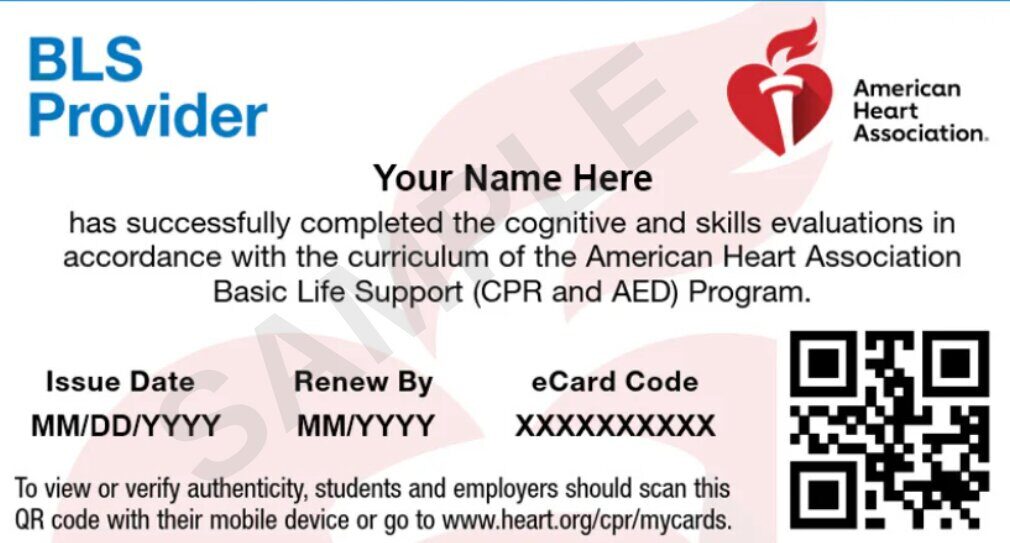
BLS Course

(Initial & Renewal)

Basic Life Support
(BLS)

BLS certification teaches the core lifesaving skills healthcare providers rely on every day, including CPR techniques, AED operation, and team-based response strategies for adults, children, and infants.

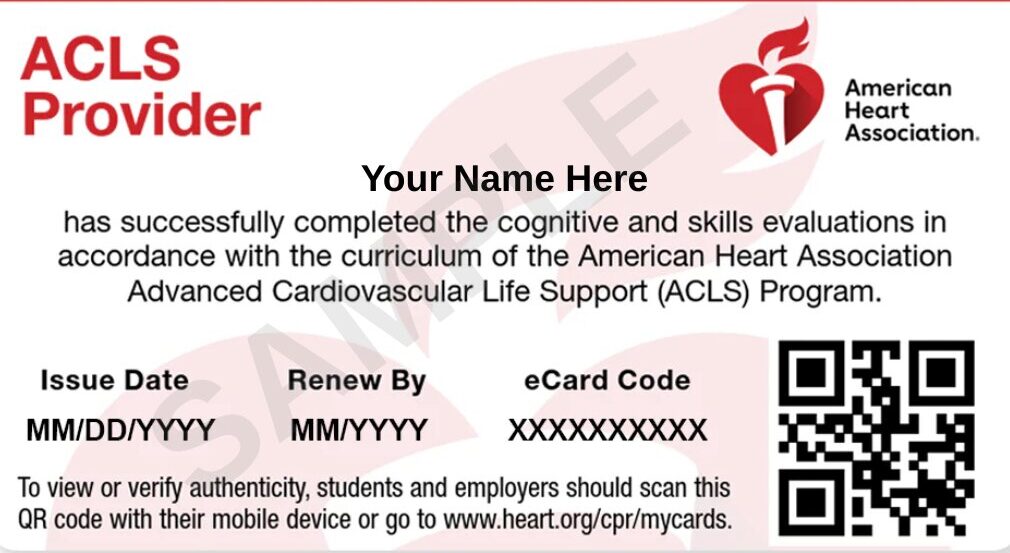
ACLS Course

(Initial & Renewal)

Advanced Cardiovascular Life Support (ACLS)

ACLS is for professionals who manage cardiovascular emergencies. Training focuses on advanced assessment, cardiac rhythms, airway support, medications, and coordinated team response.

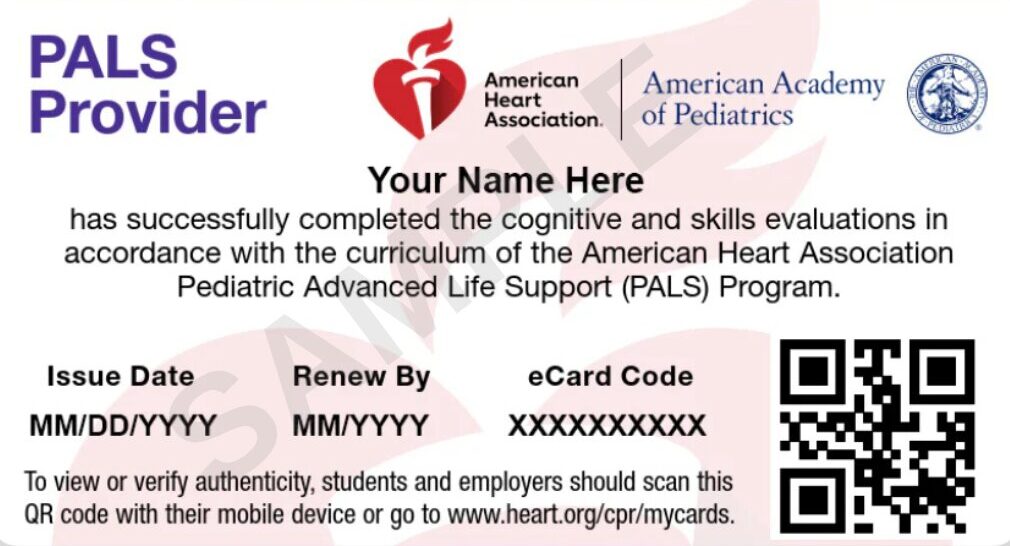
PALS Course

(Initial & Renewal)

Pediatric Advanced Life Support (PALS)

PALS prepares healthcare providers to recognize and manage life-threatening emergencies involving infants and children through evidence-based pediatric care techniques.

Why Professionals Choose Us?

Many professionals choose us because the classes are straightforward and efficient while still focusing on practical skills.

Benefits of Training With Us

Same-day provider cards

American Heart Association courses

Hands-on skills training

Convenient class schedules

Classes based on American Heart Association guidelines

Options for both new training and renewals

Get Certified in
Maryland Today

Get your CPR, BLS, ACLS, PALS, or First Aid certification quickly and conveniently with our American Heart Association-approved courses in Maryland. Choose from multiple training locations, attend classes seven days a week, and receive your official AHA eCard the same day you complete your course.

FAQ

Frequently Asked Questions

How Do I Know Which CPR Course I Actually Need?
Your required course depends on your job role and employer guidelines. Healthcare professionals usually need BLS, ACLS, or PALS, while non-medical roles like teachers, fitness trainers, or childcare providers typically only need CPR and AED certification. If you’re unsure, check your workplace requirements before enrolling.
Yes. CPR certification courses are designed for both healthcare professionals and non-medical individuals. No prior medical experience is required for basic CPR or BLS training.
You can expect a combination of short instruction sessions, instructor demonstrations, and hands-on practice using CPR manikins and AED training devices. Most courses also include a skills evaluation to confirm competency.
Some courses may include a brief written test, but the primary focus is on hands-on skill demonstration. Certification is typically based on successfully performing CPR techniques and emergency response skills.
If you do not pass the skills assessment, most training providers allow you to repeat the practice and retest. The goal is to ensure you are fully confident and competent before certification is issued.
Many employers require in-person or blended training that includes a hands-on skills session. Fully online CPR courses alone are often not accepted for healthcare or clinical roles.
You will typically use CPR manikins for adults, children, and infants, along with AED training devices. This allows you to practice real-life emergency response scenarios in a controlled environment.
Yes. Many CPR courses, including BLS certification, can be completed in a single day depending on the class schedule and training format.
CPR certification focuses specifically on life-saving techniques for cardiac and breathing emergencies, while First Aid training covers a broader range of injuries and medical situations such as burns, cuts, fractures, and allergic reactions
It is recommended to renew your certification a few weeks before expiration to avoid lapses in compliance, especially if your job requires continuous certification.
Yes. We offer on-site or group training sessions for businesses, schools, and organizations that need multiple employees certified at the same time.
Yes. Once you complete BLS or basic CPR training, you can advance to ACLS or PALS if your career path requires higher-level certification.
American Heart Association certifications are widely recognized across the United States and in many international healthcare and emergency response settings.