
Many roles in Maryland involve working in environments where sudden health issues or injuries can happen without warning. In hospitals, schools, construction zones, gyms, and public spaces, employees often serve people who may need immediate assistance before professional medical help arrives. CPR and First Aid certification helps build the ability to act quickly, stay composed, and provide essential support in critical moments.
These life-saving credentials are not limited to medical professionals. Employers across multiple industries consider these certifications as a strong requirement or a major advantage during hiring. Workers trained in CPR and First Aid can respond to emergencies such as cardiac arrest, choking, bleeding, fractures, or allergic reactions. As a result, certified individuals are often seen as more prepared and reliable in safety-focused roles.
This guide explains why Maryland employers value CPR and First Aid certification, which careers commonly require these life-saving credentials, and what to consider when choosing a certified training provider.
Why Maryland Employers Value CPR and First Aid Certifications
Employers in Maryland value CPR and First Aid certification due to workplace safety requirements and compliance with occupational standards. Many workplaces are required to have trained personnel available when medical facilities are not immediately nearby, especially in high-risk environments. These certifications help organizations meet safety obligations while ensuring employees can respond effectively during emergencies.
Beyond compliance, certified staff help maintain a safer environment while reducing workplace risk and legal exposure. Organizations benefit from lower liability concerns and may also see reduced insurance costs due to improved emergency preparedness. CPR and First Aid training in Maryland is especially important in healthcare, education, construction, childcare, and security roles, where quick response can significantly affect outcomes.
Jobs That Need CPR and First Aid Certification
Many professions in Maryland require both CPR and First Aid certification due to the nature of their responsibilities. These roles typically involve direct care, physical activity, or environments where medical emergencies can occur without notice. Combined training ensures workers can respond effectively to life-threatening situations.
Healthcare and Emergency Services
Healthcare professionals regularly work in environments where medical emergencies can occur without warning. Hospitals, clinics, rehabilitation centers, nursing homes, dental offices, and outpatient facilities care for patients who may experience cardiac arrest, respiratory distress, allergic reactions, choking, seizures, or traumatic injuries. CPR and First Aid certification help healthcare workers recognize emergencies, provide immediate care, and support patient safety during critical situations. Many healthcare employers in Maryland require these certifications as part of employment, licensing, or continuing education to ensure staff remain prepared to respond confidently.
Healthcare careers that commonly require CPR and First Aid certification include:
- Emergency Medical Technicians (EMTs) and Paramedics
- Registered Nurses (RNs)
- Licensed Practical Nurses (LPNs)
- Certified Nursing Assistants (CNAs)
- Doctors and Physicians
- Surgeons
- Anesthesiologists
- Dental Hygienists
- Dental Assistants
- Pharmacists
- Pharmacy Technicians
- Phlebotomists
Childcare and Education
Professionals working in childcare and education are responsible for creating an environment where children can learn, play, and develop safely. Daily activities such as classroom lessons, meals, outdoor play, and recreational programs can involve unexpected situations, including choking incidents, allergic reactions, falls, playground injuries, and asthma attacks. These life-saving certifications equip educators and childcare providers with the skills to respond appropriately during emergencies. Furthermore, the Maryland Office of Child Care (OCC) regulations mandate that licensed child care centers have at least one teacher or director with current approved CPR and First Aid certification present at all times, including during off-site activities.
Childcare and education careers that commonly require CPR and First Aid certification include:
- Daycare Providers
- Preschool Teachers
- Nannies
- Babysitters
- Elementary School Teachers
- Special Education Teachers
- Camp Counselors
- School Nurses
- School Administrators
Fitness, Sports, and Recreation
Fitness and recreation professionals supervise physical activities where injuries and medical emergencies can occur during training sessions, competitions, or recreational programs. Participants may experience dehydration, heat exhaustion, fractures, sprains, or sudden cardiac events while exercising or participating in sports. CPR and First Aid certification strengthens emergency preparedness and helps create a safer environment for athletes, clients, and community members. Many gyms, sports organizations, aquatic facilities, and recreation centers in Maryland require employees to maintain these life-saving credentials throughout their employment.
Fitness, sports, and recreation careers that commonly require CPR and First Aid certification include:
- Lifeguards
- Swim Instructors
- Personal Trainers
- Group Fitness Instructors
- Athletic Trainers
- Sports Coaches
Public Safety and Government
Public safety professionals frequently respond to traffic collisions, fires, rescue operations, natural disasters, and other incidents where immediate action is essential. Police officers, firefighters, correctional officers, and park rangers often work in unpredictable environments where people may require urgent medical assistance. These life-saving credentials strengthen their ability to provide emergency care while supporting public safety. Many government agencies throughout Maryland also require CPR and First Aid certification as part of employment qualifications and ongoing professional training.
Public safety and government careers that commonly require CPR and First Aid certification include:
- Police Officers
- Sheriffs
- State Troopers
- Firefighters
- Park Rangers
- Correctional Officers
Corporate, Hospitality, and Other Roles
Many workplaces outside the healthcare industry also benefit from employees trained in CPR and First Aid. Hotels, airports, construction sites, office buildings, and community organizations can all experience unexpected medical situations involving employees, visitors, or customers. These life-saving certifications help employees respond effectively during medical emergencies while contributing to a safer workplace. Having trained personnel available can also support a faster and more coordinated response during critical incidents.
Corporate, hospitality, and other careers that commonly require CPR and First Aid certification include:
- Flight Attendants
- Pilots
- Cruise Ship Staff
- Hotel Concierge
- Security Guards
- Construction Workers
- Electricians
- Social Workers
- Animal Control Officers
- Veterinary Technicians
How to Choose a Certified CPR and First Aid Training Provider in Maryland
Selecting the right CPR and First Aid training provider helps ensure your certification is accepted by employers, licensing boards, and regulatory agencies in Maryland. A nationally recognized certification, flexible scheduling options, and courses that meet your employer’s or profession’s requirements are key factors to consider before enrolling.
Verify Accreditation
Choose a provider that offers CPR and First Aid courses through nationally recognized organizations, such as the American Heart Association (AHA).
Review the Training Format
Look for a provider that offers a training format that fits your schedule. Make sure the course meets any practical training requirements for your profession.
Confirm Certification Acceptance
Certification requirements vary across industries, so verify that the course satisfies your employer’s workplace policies or professional licensing standards. This step can prevent delays if certification is required for employment or renewal.
Compare Scheduling Options
Training providers often offer weekday, evening, weekend, and group sessions. Selecting a provider with flexible scheduling makes it easier to complete certification without interrupting work or personal commitments.
Check Certification Delivery
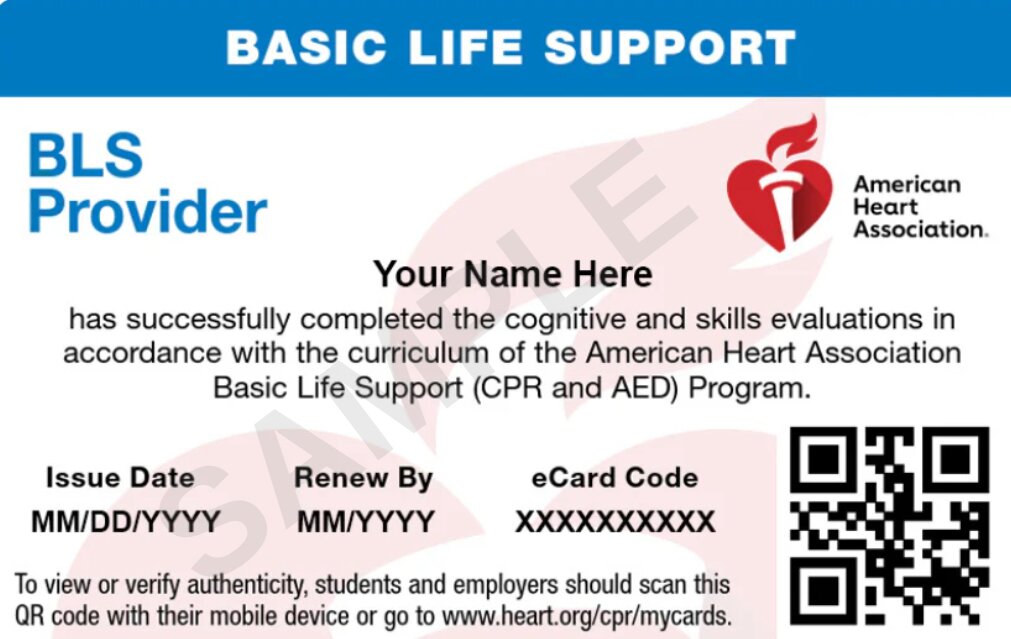
Find out when you will receive your certification after completing the course. Select a provider that offers same-day digital certification cards so you can quickly submit proof of certification to your employer or licensing board.
Get Certified with Maryland CPR Classes
CPR and First Aid certification provides practical skills that can make a meaningful difference during medical emergencies while strengthening your professional qualifications. Many employers across healthcare, education, childcare, public safety, fitness, construction, and other industries require or prefer candidates with current certification. Earning these life-saving credentials also demonstrates your commitment to workplace safety and emergency preparedness.
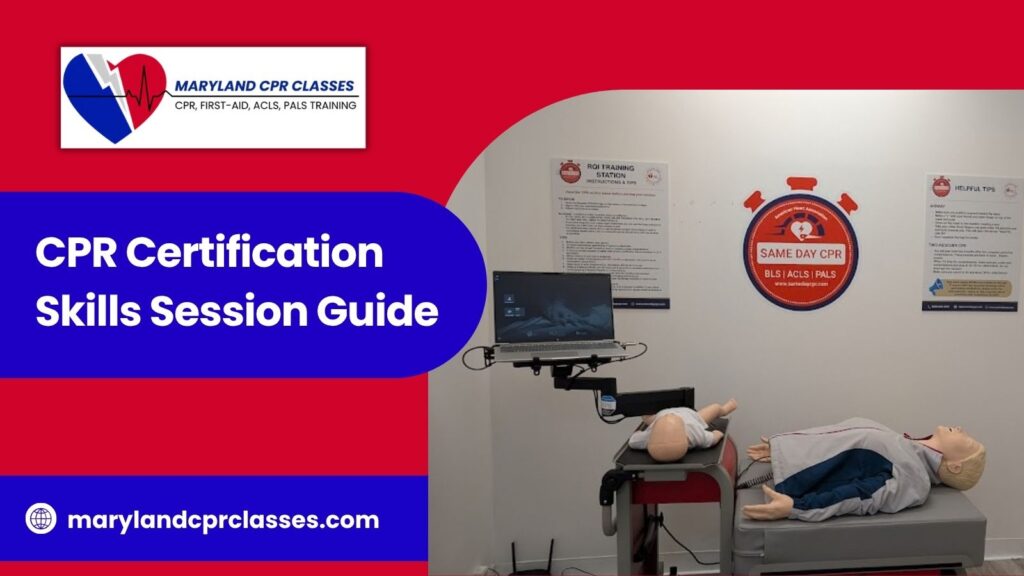
Maryland CPR Classes offers a flexible blended learning format that fits your schedule. Complete the online coursework at your own pace, then visit one of our convenient Maryland training locations to complete your hands-on skills session. Our American Heart Association (AHA) CPR and First Aid courses are accepted by employers and licensing boards nationwide. After completing the course, you’ll receive your official eCard the same day, allowing you to submit proof of certification without delay.
FAQs
Do part-time or seasonal employees in Maryland need CPR and First Aid certification, too?
Certification requirements are generally based on job responsibilities rather than employment status. However, part-time and seasonal employees in childcare, recreation, healthcare, public safety, and similar industries are often required to meet the same CPR and First Aid certification requirements as full-time employees.
How often should CPR and First Aid certification be renewed in Maryland?
Your AHA-approved CPR and First Aid certification remains valid for two years. After that period, completing a renewal course helps maintain your credentials and ensures your training follows updated emergency response guidelines and workplace requirements.
Will an employer in Maryland cover the cost of CPR and First Aid certification?
Many employers, particularly in the healthcare, childcare, and fitness industries, cover certification costs or reimburse employees because maintaining trained staff supports their compliance and safety goals.
Can someone get hired in Maryland before completing CPR and First Aid certification?
Some employers may allow new hires a short period to complete CPR and First Aid certification after starting, especially in roles such as security or hospitality. However, certain industries, including licensed child care centers and healthcare settings, require proof of current certification before employment begins.
Does CPR and First Aid certification guarantee a job in a specific field?
CPR and First Aid certification can strengthen your qualifications and help you meet the requirements for many safety-focused roles, but it does not guarantee employment. Hiring decisions also depend on factors such as experience, education, additional credentials, and the specific needs of each employer.