
If you have a CPR certification or plan to get one soon, it’s natural to ask how long CPR certification lasts. Keeping your certification current is important not only for meeting workplace requirements but also for maintaining the skills needed to respond confidently during an emergency.
In Maryland, CPR certification follows the standards established by the American Heart Association (AHA). Most employers, healthcare organizations, schools, and licensing boards expect certification to remain active and up to date.
This guide explains how long CPR certification lasts in Maryland, when you should renew it, what happens if it expires, and how you can complete your renewal through Maryland CPR Classes using flexible Self-Guided Learning with a CPR Verification Station.
How Long Does CPR Certification Last?
For most American Heart Association CPR courses, certification is valid for two years from the date you successfully complete your training.
This applies to many of the most common AHA courses, including:
- Heartsaver CPR and AED
- Heartsaver First Aid CPR AED
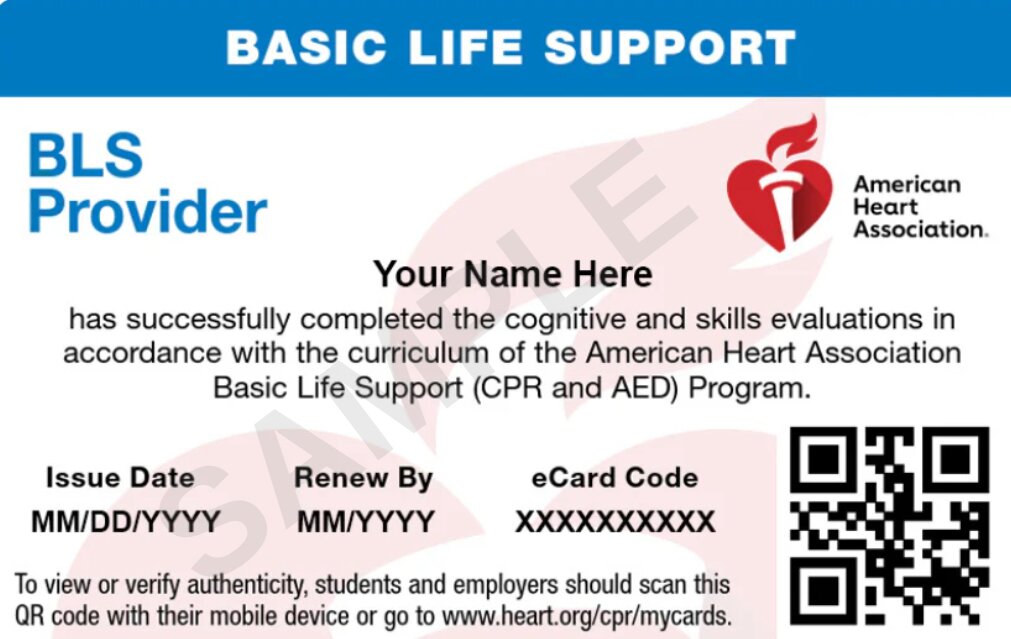
- Basic Life Support (BLS)
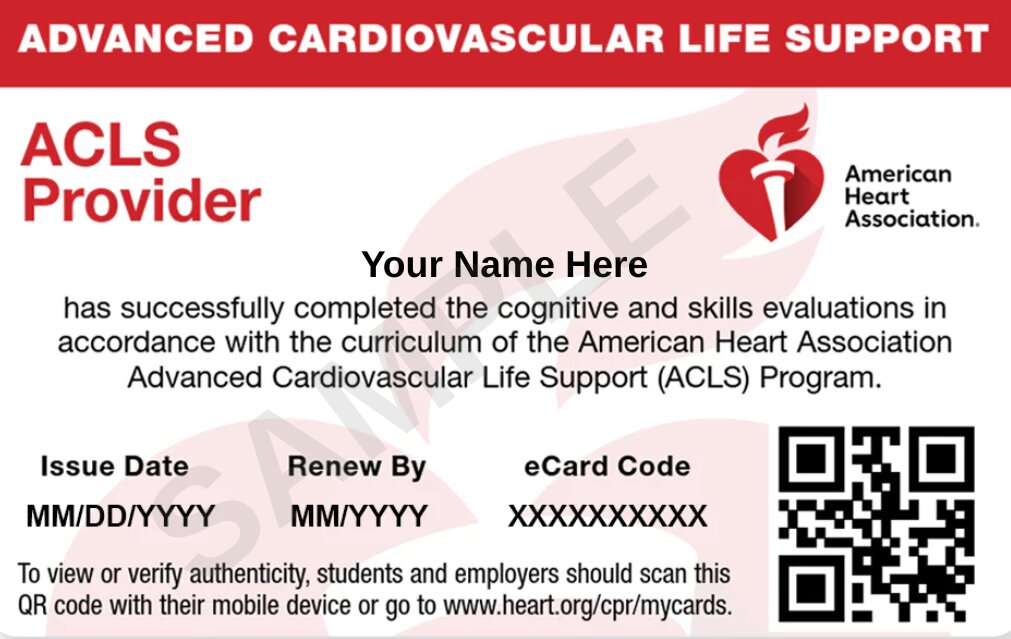
- Advanced Cardiovascular Life Support (ACLS)
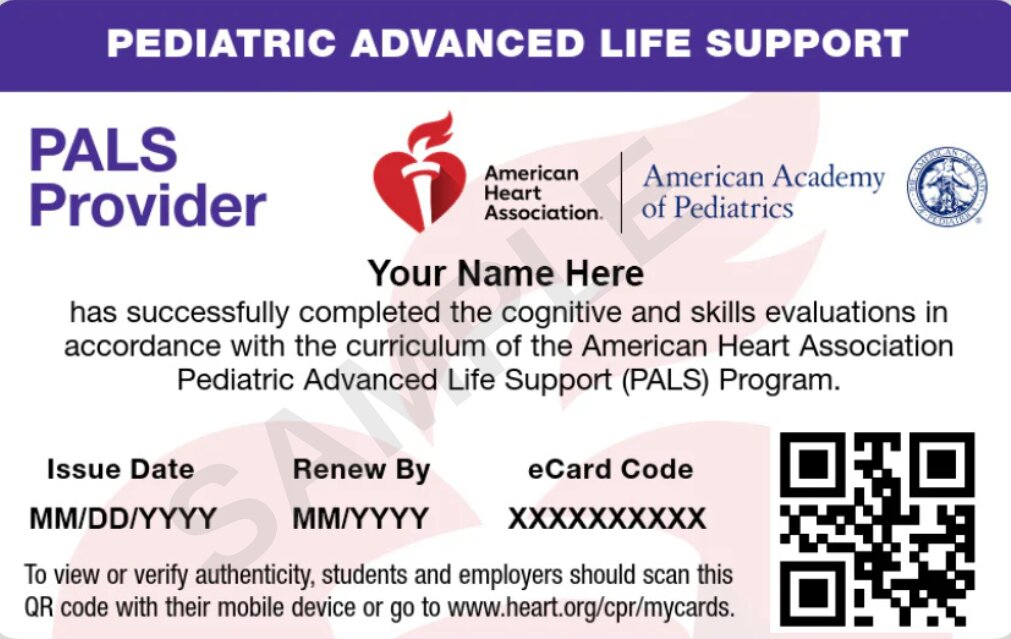
- Pediatric Advanced Life Support (PALS)
After completing the course requirements, you’ll receive an official AHA Course Completion eCard. The card includes your certification date and expiration date, making it easy to know when it’s time to renew.
Although the certification period is generally the same across Maryland, individual employers or healthcare facilities may have additional competency requirements or ask employees to complete refresher training before the two-year mark.
How Long Does American Heart Association CPR Certification Last?
Many people specifically ask, how long does American Heart Association CPR certification last because AHA certifications are widely accepted throughout Maryland and across the United States.
The answer is straightforward.
American Heart Association CPR certifications are valid for two years from the date of successful course completion.
AHA certification is recognized by:
- Hospitals
- Emergency medical services
- Medical offices
- Dental practices
- Nursing schools
- Colleges
- Government agencies
- Childcare centers
- Corporate workplaces
If your employer requires CPR certification, always verify that they accept the course provider before enrolling. Many healthcare employers specifically request American Heart Association certification.
Does Maryland Have Different CPR Certification Rules?
Maryland does not issue its own statewide CPR certification.
Instead, employers and organizations generally accept certifications from nationally recognized providers, with the American Heart Association being one of the most trusted options.
Your renewal schedule depends on:
- The certification provider
- Your employer’s policies
- Professional licensing requirements
- Workplace compliance standards
Healthcare professionals often need current CPR certification as a condition of employment, while teachers, childcare providers, coaches, and workplace safety teams may also need active certification depending on their role.
Why CPR Certification Expires
Some people wonder why CPR certification isn’t permanent.
Although CPR fundamentals stay consistent, emergency care guidelines continue to evolve based on new medical research and clinical evidence. Organizations like the American Heart Association regularly review scientific studies and update best practices when needed.
Renewing your certification helps you:
- Learn the latest CPR recommendations
- Practice high-quality chest compressions
- Review AED use
- Refresh rescue breathing techniques
- Build confidence through hands-on skills practice
Even experienced healthcare providers benefit from regular practice because CPR skills naturally decline without use.
What Happens If Your CPR Certification Expires?
An expired certification can create several challenges, especially if CPR is required for your job.
Depending on your employer, you may:
- Be unable to work until certification is renewed
- Lose compliance with workplace requirements
- Need to complete training before returning to patient care
- Miss opportunities for new employment
For healthcare workers, allowing certification to expire may delay onboarding, credentialing, or clinical assignments.
For non-healthcare professionals, it may affect eligibility for positions that require current CPR credentials.
The easiest solution is to schedule your renewal before your expiration date.
When Should You Renew Your CPR Certification?
A good practice is to renew your certification before it expires.
Many people schedule renewal training about one month before their expiration date. This provides enough time to complete the course without worrying about lapses in certification.
You should also renew if:
- Your employer requests updated certification
- Your professional license requires it
- You’re returning to healthcare after a break
- You want to refresh your emergency response skills
Waiting until after expiration may leave you temporarily without valid certification.
Who Needs Current CPR Certification in Maryland?
Many professions across Maryland require active CPR certification.
Common examples include:
Healthcare Professionals
Healthcare workers are among the most frequent CPR certification holders.
This includes:
- Registered nurses
- Licensed practical nurses
- Physicians
- Physician assistants
- EMTs
- Paramedics
- Respiratory therapists
- Medical assistants
- Physical therapists
- Occupational therapists
Many healthcare roles also require BLS, ACLS, or PALS certification depending on the clinical setting.
Childcare Providers and Teachers
Schools, daycare centers, and early childhood education programs often require staff members to maintain current CPR and First Aid certification.
These skills help staff respond quickly to emergencies involving children and adults.
Fitness Professionals
Personal trainers, coaches, and fitness instructors commonly need CPR certification as part of employment requirements or professional certifications.
Workplace Safety Teams
Many businesses train employees responsible for workplace emergency response, including:
- Safety officers
- Manufacturing supervisors
- Construction teams
- Security personnel
- Office emergency response teams
Parents and Caregivers
Although certification may not be required, many parents, grandparents, babysitters, and caregivers choose CPR training to prepare for emergencies at home.
Which CPR Course Should You Renew?
The right renewal course depends on your current role.
Heartsaver CPR and AED
Ideal for:
- Workplace employees
- Teachers
- Coaches
- Community members and more.
Heartsaver First Aid CPR AED
Suitable for individuals who need both CPR and First Aid training for work or personal preparedness.
Heartcode BLS (Basic Life Support)
Recommended for healthcare professionals who provide patient care.
Heartcode ACLS (Advanced Cardiac Life Support)
Intended for advanced healthcare providers managing adult cardiovascular emergencies.
Heartcode PALS (Pediatric Advanced Life Support)
Focused on pediatric emergency care for healthcare professionals who treat infants and children.
Choosing the correct renewal course ensures you continue meeting employer expectations.
Flexible CPR Renewal with Self-Guided Learning
Many busy professionals struggle to fit classroom schedules into their workweek.
Maryland CPR Classes offers a flexible option through Self-Guided Learning.
Instead of spending an entire day in a traditional classroom, you complete the online learning portion first. Once finished, you visit a CPR Verification Station to complete your hands-on skills assessment using a Voice-Assisted Manikin.
This approach offers several benefits:
- Flexible scheduling
- Less time away from work
- Hands-on skills verification
- Official AHA Course Completion eCard after successful completion
- Convenient experience for busy healthcare professionals
This training format combines flexibility with the practical skills employers expect.
How to Keep Your Certification From Expiring
Staying current is easier than many people think.
Here are a few helpful habits:
- Save your digital AHA eCard.
- Set a calendar reminder several weeks before expiration.
- Check employer renewal deadlines.
- Register for your renewal course early.
- Keep copies of your certification for licensing and employment records.
Planning ahead helps you avoid unnecessary stress and interruptions to your work.
Final Thoughts
If you’ve been asking how long does CPR certification lasts, the answer is simple. For most American Heart Association courses, CPR certification remains valid for two years.
Renewing your certification on time helps you stay compliant with workplace requirements, maintain confidence in your lifesaving skills, and continue providing safe, effective emergency care.
Whether you’re a healthcare professional renewing BLS, ACLS, or PALS, or someone earning CPR certification for work or personal preparedness, Maryland CPR Classes offers flexible Self-Guided Learning with a CPR Verification Station, making it easier to stay current without disrupting your schedule.