
A resume has only a few seconds to make a positive first impression. Hiring managers often scan applications for qualifications that match the role before reading work history in detail. Alongside education and experience, professional certification can quickly demonstrate that a candidate has invested in developing practical skills. CPR training is one of those credentials that immediately signal preparedness, responsibility, and the ability to respond during emergencies.
Many job seekers assume CPR certification is only relevant for nurses, paramedics, and other healthcare professionals. In reality, employers across Maryland value this life-saving credential across a wide range of careers. For some positions, it is a hiring requirement, while for others, it provides an advantage over applicants with similar experience.
Adding a CPR qualification to your resume is only part of the process. Where you place it, how you list it, and whether it is relevant to the position all influence how employers view your application. This guide explains why CPR certification strengthens a resume, how to add it correctly, and the common mistakes to avoid when including it.
Why CPR Certification Matters on Your Resume
CPR certification adds meaningful value to your resume by demonstrating that you have completed recognized training in responding to life-threatening situations. In Maryland, a wide range of careers require CPR certification, especially roles where safety and preparedness are essential parts of the job. From healthcare and education to childcare, fitness, and other public-facing roles, this certification can support your career goals and help you meet common job expectations. This life-saving skill demonstrates that you can remain composed, follow established procedures, and make informed decisions in stressful situations. Even when listed as a preferred credential rather than a mandatory one, it reflects initiative, preparedness, and a commitment to maintaining a safer environment.
Beyond meeting hiring requirements, CPR training can help your application stand out when employers are comparing candidates with similar education and work experience. Having a current certification shows that you are ready to meet workplace expectations without needing additional training before starting the role. Listing it clearly on your resume makes it easier for hiring managers to recognize a practical skill that can benefit both the organization and the people it serves.
How to Add CPR Certification on Your Resume
Presenting CPR certification correctly on your resume can make a difference when employers evaluate your application. Recruiters typically spend only a few seconds during their initial review, so placing your credentials in a visible section helps them quickly identify relevant skills and professional training.
Below are some of the best places to add your qualifications, along with examples to help you decide which option works best for your resume.
1. Certifications Section
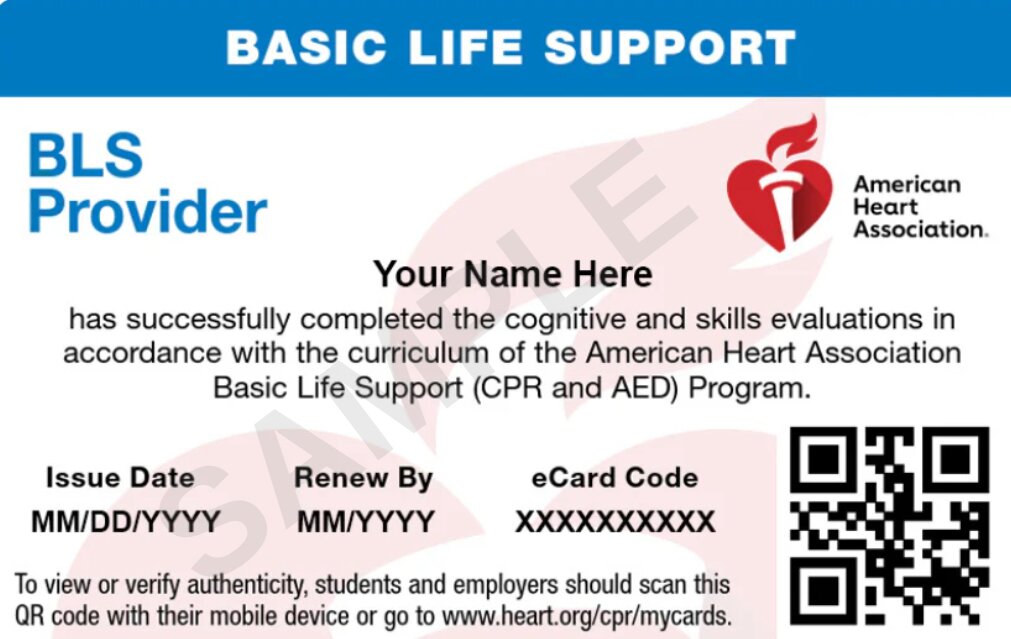
If your resume already has a Certifications section, this is usually the first place employers will check when reviewing your professional qualifications. Listing your CPR certification here makes it easy to find and shows that you have completed recognized training. Include the official credential name, the certifying organization, the date of issue, and the expiration date.
Example
Certifications:
- Basic Life Support (BLS) Certified – American Heart Association, Issued: June 2026 | Expires: June 2028
- Adult and Pediatric CPR/AED Certified – American Heart Association, Issued: July 2026 | Expires: July 2028
2. Skills Section
If your resume includes a Skills section, you can also mention your CPR certification here. This approach works well when you want to emphasize abilities that are directly related to the role. If the job specifically requires CPR certification, make sure it also appears in a dedicated Certifications section.
Example
Skills:
- CPR Certified
- First Aid
- Emergency Preparedness
- Patient Care
3. Professional Summary
Your professional summary gives employers a quick overview of your background, so it is a good place to mention CPR certification when it supports the role you are applying for. A brief mention is enough to highlight your training while keeping the focus on your experience and professional accomplishments.
Example
Certified Medical Assistant with a current American Heart Association BLS Provider certification and more than three years of experience delivering patient care in a busy outpatient clinic.
4. Work Experience
If you used your CPR skills in a previous role, mention them in your work experience instead of only listing your certification. Describing how you responded to real workplace situations helps employers understand your experience and shows that you can apply those skills in a professional setting.
Example
Medical Assistant
ABC Family Health Center
May 2023 to 2025
- Maintained a current American Heart Association BLS Provider certification.
- Assisted with medical emergencies while following established safety procedures.
- Supported patient care in a high-volume outpatient clinic.
5. Education or Training Section
You can include CPR certification in your Education or Training section if you are a recent graduate, a student, or changing careers. This works well when you have limited work experience and want to show employers that you have completed training related to your chosen field.
Example
Degree: Bachelor of Science in Kinesiology, XYZ University
Additional Training: Heartsaver CPR AED, American Heart Association
How Maryland Employers View CPR Certification During Hiring
Across Maryland, CPR certification is viewed as more than a workplace requirement. Employers often see it as evidence that a candidate is prepared to respond during emergencies, follow established safety procedures, and take responsibility in situations where quick action matters. For positions involving patient care, children, older adults, or public interaction, having current certification can strengthen an application.
Furthermore, healthcare organizations are not the only employers that value CPR training. Schools, childcare centers, dental offices, rehabilitation clinics, fitness facilities, senior living communities, manufacturing companies, recreation departments, and community organizations prefer applicants who already hold valid life-saving credentials. While a CPR qualification may not guarantee an interview or a job offer, it can distinguish you from candidates who have similar skills.
Common Mistakes to Avoid
Recruiters expect resumes to present certifications clearly and accurately. Small mistakes can make your resume harder to understand and leave employers with unnecessary questions. Taking a few minutes to review your resume before submitting an application helps ensure employers see your certification as a strength rather than an oversight.
Some of the most common mistakes include:
- Listing an expired CPR certification.
- Writing only “CPR Certified” without including the issuing organization.
- Omitting the certification or expiration date.
- Using an incorrect or unofficial certification name.
- Including training that has not yet been completed.
- Placing your certification in a section where employers are unlikely to find it.
- Use of casual or informal language throughout your resume.
Get CPR Certified Before Applying for Jobs
A current CPR certification can help you meet hiring expectations and present yourself as a prepared candidate during your job search. Many organizations in Maryland require or prefer this qualification for roles involving patient care, children, fitness, customer interaction, hospitality, recreation, workplace safety, or public service. This life-saving credential demonstrates to employers that you have acquired valuable skills that contribute to a safer, more prepared work environment.
Some employers provide CPR training after hiring, but having certification in advance can give you more flexibility when applying for opportunities. Maryland CPR Classes offers AHA-approved CPR, BLS, ACLS, PALS, and First Aid courses with flexible training options for individuals preparing for their next career step. Our same-day certification process allows you to complete your training and receive your credential quickly, so you can have proof of certification ready when applying for jobs.
FAQs
1. Should I include CPR certification on my resume if it is not required for the job?
Yes, you should include a current CPR certification if it supports the position you are applying for. Even when it is not required, this credential demonstrates initiative, preparedness, and a commitment to workplace safety, making your application more competitive.
2. Does listing CPR certification increase salary or hiring priority?
CPR certification does not automatically increase your salary, but it can strengthen your application for positions where workplace safety is an important responsibility. When candidates have similar qualifications and experience, employers may give additional consideration to applicants who already hold a current CPR certification, as it can reduce the need for additional certification before they start work.
3. Do employers verify CPR certification listed on a resume?
Employers may ask for proof of your CPR certification before you begin work, especially for positions where it is required. Keeping your certification active and your information up to date helps ensure a smoother hiring process.
4. Should CPR credentials go under skills or certifications on a resume?
The Certifications section is usually the best place to list CPR certification. You can also mention it in the Skills section when it supports the position, but important credentials should remain easy for employers to find.
5. Can CPR certification help me get a job in Maryland?
CPR certification does not guarantee employment, but it can help you meet hiring expectations for roles where life-saving skill is required or preferred. Completing a recognized CPR course also demonstrates to employers that you have received safety training.