
Maryland does not have a statewide law requiring every babysitter to hold CPR certification before watching a child. But once you move from occasional babysitting into a paid, ongoing caregiving role, especially as a nanny or a registered family child care provider, the rules and expectations change quickly. Knowing where you fall on that spectrum is the first step to figuring out what certification you actually need.
This guide breaks down what Maryland law requires, what most parents and agencies expect regardless of the law, and which AHA course makes sense depending on your role.
Is CPR Certification Legally Required to Babysit in Maryland?
For casual, occasional babysitting, no. Maryland has no statute that requires a teenager or adult watching a neighbor’s kids for an evening to carry a CPR card. Families are free to hire whoever they trust, certified or not.
That changes once childcare becomes a licensed or registered activity. If you’re operating as a family child care provider under the Maryland State Department of Education (MSDE) Office of Child Care, you fall under Maryland’s child care regulations (COMAR 13A.15 and related chapters). Registered and licensed providers are required to complete health and safety training, which includes current CPR and First Aid certification covering adults, children, and infants. This applies whether you’re running a small in-home program or working in a larger licensed center, not to someone hired informally by one family.
So the honest answer is: it depends on what kind of caregiving you’re doing. Occasional babysitting sits outside state licensing rules. Regulated child care does not.
Nanny vs. Babysitter: Why the Distinction Matters for Certification
Maryland families and agencies often use “nanny” and “babysitter” interchangeably, but the roles carry different expectations, and that affects what certification you’ll be asked to show.
A babysitter is usually hired for short, occasional periods: an evening out, a weekend, a one-time event. The relationship is casual, and formal credentials, while appreciated, aren’t always demanded.
A nanny is typically a long-term, often full-time caregiver with broader responsibilities: meal prep, school pickups, homework help, and sole responsibility for a child’s safety for extended hours, sometimes including infants. Because the stakes and time commitment are higher, most Maryland families hiring a nanny directly, and virtually every nanny placement agency, will require current CPR and First Aid certification as a condition of hire. Many will specify Pediatric CPR that covers infants and children, not just adults.
If you’re applying through an agency, expect this requirement to be non-negotiable. If you’re being hired privately, it’s still one of the fastest ways to stand out and reassure a parent you’ve never met.
What Employers and Parents Actually Look For
Even where the law stays silent, Maryland parents consistently look for a few things when vetting a caregiver:
Current AHA certification: The American Heart Association is the most widely recognized name in resuscitation training among Maryland parents, pediatricians, and childcare agencies. A current AHA card signals that your skills reflect up-to-date resuscitation science, not training from years ago.
Pediatric-specific training: Adult CPR alone isn’t enough for most caregiving roles. Parents want to know you can respond to a choking infant or an unresponsive toddler, not just an adult in cardiac arrest. Look for a course that specifically includes infant and child CPR, not just an adult-focused class.
A hands-on skills component: Watching a video isn’t the same as practicing real compressions and rescue breaths on a manikin under supervision. Many parents and virtually all licensed child care programs expect a certification that included an in-person or blended skills check, not a fully self-taught, no-verification course.
A background check: This isn’t part of CPR certification itself, but Maryland families providing in-home care often expect a background check alongside your certification, particularly for nanny roles involving unsupervised time with children.
AHA Course Options for Nannies and Babysitters in Maryland
The right course depends on how much responsibility you’re taking on and whether you’re operating under state licensing.
Heartsaver CPR, AED, and First Aid
For most babysitters and nannies working with generally healthy children, the AHA Heartsaver course is the right fit. It’s built for non-medical caregivers and covers CPR and AED use across adults, children, and infants, along with first aid basics like choking response, allergic reactions, and minor injury care. This is typically the course parents mean when they ask if you’re “CPR certified.
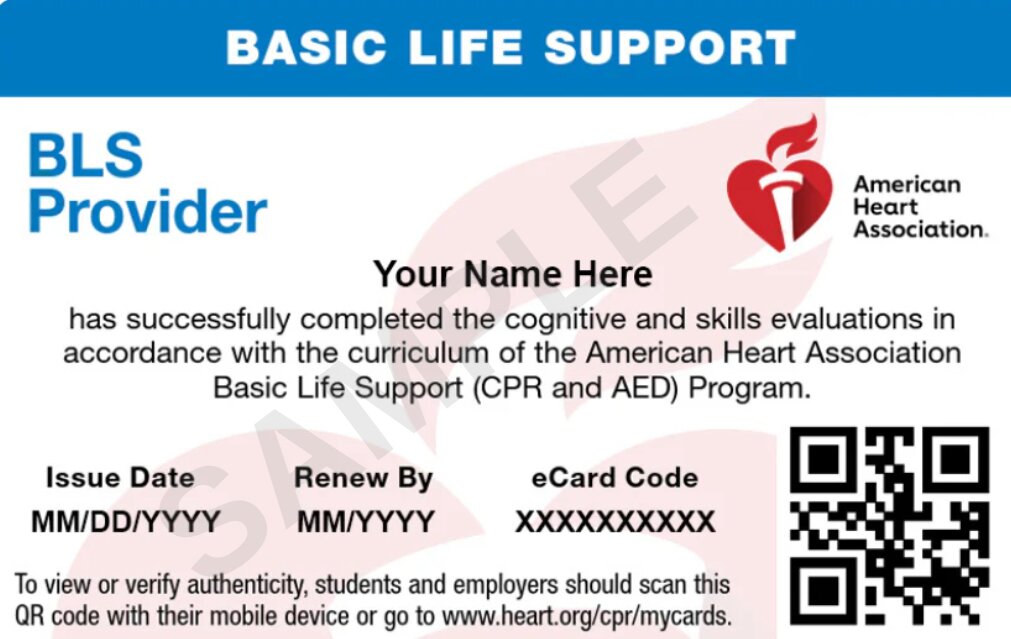
BLS (Basic Life Support)
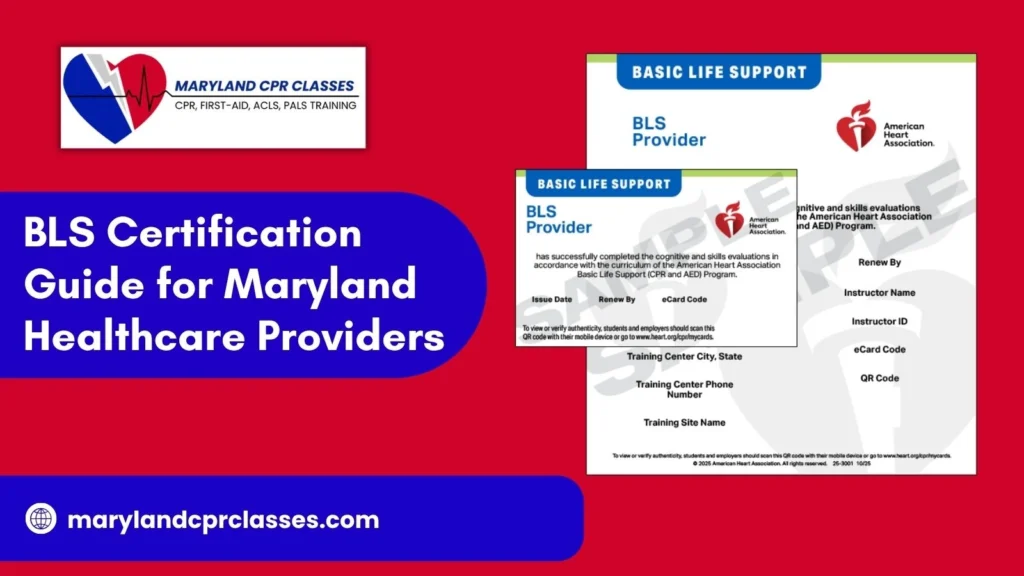
BLS is the standard for healthcare providers, but many nannies, especially those caring for infants or children with medical needs, choose it because it covers adult, child, and infant CPR at a more advanced level, along with AED use and team-based emergency response. If a family has a child with a health condition or you’re working through an agency that places nannies in medically complex households, BLS is often the expected standard.
Pediatric-Focused Training
Whichever course you choose, confirm it includes infant and child CPR specifically, not only adult protocols. A caregiver watching a six-month-old needs different skills than one watching a twelve-year-old, and Maryland parents increasingly ask about this directly during interviews.
What If You’re a Registered or Licensed Child Care Provider?
If you’re operating as a registered family child care provider in Maryland rather than working as a private nanny, your CPR requirements are set by MSDE rather than by individual families. Licensed and registered providers must maintain current CPR and First Aid certification covering adults, children, and infants, along with a hands-on skills evaluation, as part of their ongoing licensing requirements. This certification generally needs to be renewed every two years, alongside other required training like orientation and medication management training where applicable.
If you’re unsure whether your role falls under MSDE licensing or informal private employment, that distinction determines whether your certification is a legal requirement or a strong professional expectation. When in doubt, check directly with the Office of Child Care or your placement agency before assuming either way.
How Long Does the Certification Last?
AHA certification is valid for two years from your completion date. After that, you’ll need a renewal course to keep your card current. For nannies and licensed providers alike, letting certification lapse can mean losing eligibility for a role or falling out of compliance with licensing requirements, so it’s worth renewing a few weeks before your card expires rather than after the fact.
Learn more in detail: How Long Does the Certification Last?
Why Certification Is Worth It Even When It’s Not Required
Even in situations where Maryland law doesn’t mandate it, CPR certification does more than check a box. Infants and young children face real risks from choking, allergic reactions, drowning, and sudden respiratory distress, and a caregiver’s response in the first few minutes often matters more than anything that happens after help arrives. Parents know this, which is why certified caregivers are consistently easier to place, command higher rates, and get chosen over uncertified applicants with similar experience.
For anyone serious about working as a nanny in Maryland, certification isn’t just a formality for the rare emergency. It’s often the deciding factor in whether a family trusts you with their child in the first place.
Frequently Asked Questions
Do I legally need CPR certification to babysit in Maryland?
No, not for informal or occasional babysitting. CPR certification becomes a requirement once you’re operating as a registered or licensed child care provider under Maryland’s child care regulations, though most families and agencies expect it for nanny positions regardless of the law.
What’s the difference between the CPR requirements for a nanny versus a licensed daycare provider?
A private nanny’s certification is typically set by the hiring family or agency, not by state law. A licensed or registered family child care provider must meet CPR and First Aid requirements set by the Maryland State Department of Education as part of ongoing licensing compliance.
Which AHA course should a babysitter take?
Heartsaver CPR, AED, and First Aid is generally the right fit for babysitters and nannies caring for healthy children, since it covers adult, child, and infant CPR along with basic first aid response.
How often do I need to renew my certification?
AHA certification is valid for two years. After that, you’ll need to complete a renewal course to keep your card current and remain eligible for nanny or licensed provider roles.
Do agencies require more than basic CPR certification?
Many nanny placement agencies in Maryland require current CPR and First Aid certification that includes infant and child training, along with a background check, before placing a candidate with a family.