
A heart does not always stop because of a problem in the heart itself. Sometimes the cause is somewhere else in the body, such as heavy blood loss, a lack of oxygen, or a poisoning. When the care team finds and treats that cause, the patient has a real chance of recovering. The Hs and Ts are the checklist healthcare providers use to look for these reversible causes of cardiac arrest while CPR is going on.
What Are the Hs and Ts?
The Hs and Ts are a memory aid. Each one names a condition that can cause cardiac arrest and that the team may be able to correct. The American Heart Association (AHA) builds the list into its cardiac arrest steps for adults and children, so providers are reminded to search for a cause while they continue treatment.
The AHA adult list has five Hs and five Ts.
The Hs: hypovolemia (low blood volume), hypoxia (low oxygen), hydrogen ion (too much acid in the blood), hypo-/hyperkalemia (low or high potassium), and hypothermia (very low body temperature).
The Ts: tension pneumothorax (trapped air in the chest), tamponade (fluid squeezing the heart), toxins (poisons and overdoses), thrombosis in the lungs (a pulmonary clot), and thrombosis in the heart (a coronary clot).
You may find other versions of the list online. Some sources count low potassium and high potassium as two separate causes, which brings the total to twelve. The AHA groups them together, so ten is the number to know for an AHA course.
Why Look for Reversible Causes of Cardiac Arrest?
During a cardiac arrest, the team has two jobs at the same time. The first is to keep blood moving with strong chest compressions and, when the heart rhythm calls for it, a shock from a defibrillator. The second is to work out why the heart stopped in the first place.
CPR can keep a patient alive for a short time, but it cannot fix every problem. If a lung has collapsed or the patient has lost a large amount of blood, compressions alone will not restart the heart. The cause has to be treated as well.
The checklist helps the team stay organized when the situation is stressful. It is most closely linked to heart rhythms that cannot be shocked, such as PEA and asystole, where finding a treatable cause is often the best way to get a pulse back. Providers also keep the list in mind with other rhythms.
The Five Hs
Hypovolemia
Hypovolemia means the body does not have enough blood or fluid. Bleeding is the most common reason, although severe dehydration can cause it as well. Without enough volume to pump, the heart cannot produce a pulse, even when the heart muscle is healthy. Providers watch for a recent injury, internal bleeding, or surgery, and they treat the problem by stopping the loss and replacing the missing volume.
Hypoxia
Hypoxia means the body is not getting enough oxygen. Choking, drowning, severe asthma, and other forms of breathing failure are common causes. The team treats it by opening the airway and giving effective breaths with oxygen. Along with hypovolemia, hypoxia is one of the causes most often found in PEA, and it matters even more in children.
Hydrogen ion (acidosis)
A buildup of acid in the blood, known as acidosis, makes it harder for the heart and blood vessels to respond. It can result from kidney failure, a diabetic emergency, a severe infection, or a cardiac arrest that lasts a long time. Good ventilation helps the body clear the acid, and the team treats the underlying problem at the same time. Medicine to lower acid levels is used only in selected cases.
Hypo-/hyperkalemia
Potassium that is too low or too high can trigger dangerous heart rhythms. High potassium comes up more often during a code, particularly in patients with kidney disease or those who have missed dialysis. Blood tests and changes on the heart monitor help the team recognize it, and the physician directs treatment according to hospital protocol.
Hypothermia
When the body becomes very cold, the heart slows down and can stop. This may follow time in cold water, long exposure outdoors, or being left in a cold home. The main treatment is gradual rewarming. Teams often continue resuscitation longer for these patients, because some have been revived after long periods in the cold.
The Five Ts
Tension pneumothorax
In a tension pneumothorax, air becomes trapped in the chest and builds pressure that pushes on the heart and blocks blood from returning to it. Providers may suspect it when giving breaths becomes difficult, when breath sounds are uneven, or when the patient has had a recent chest injury. Providers treat it by releasing the trapped air with a needle or a chest tube.
Tamponade (cardiac)
In cardiac tamponade, fluid collects in the sac around the heart and squeezes it, so the heart cannot fill with blood. It can follow an injury, an infection, cancer, or a heart procedure. Providers relieve the pressure by draining the fluid.
Toxins
Poisons and drug overdoses can stop the heart or stop a person’s breathing. Opioids, sedatives, and some heart and blood pressure medicines are common examples. The team looks to the patient’s history, medicine lists, pill bottles, and reports from family or EMS for clues. Treatment depends on the substance, and some have a specific antidote. Poison control can help guide care.
Thrombosis, pulmonary
A blood clot in the lungs, known as a pulmonary embolism, blocks blood from flowing through them. Risk factors include recent surgery, long periods of bed rest, cancer, and earlier clots. Treatment may be medicine that dissolves the clot or surgery to remove it.
Thrombosis, coronary
A clot in an artery of the heart causes a heart attack, which is a frequent cause of sudden cardiac arrest in adults. Treatment focuses on restoring blood flow to the heart, usually with an emergency procedure once the patient has a pulse again.
The Hs and Ts in Children
Cardiac arrest in children often begins differently than it does in adults. In a child, it usually starts with breathing failure or shock that gets worse until the heart stops. For this reason, low oxygen and low blood volume receive extra attention in PALS.
The AHA pediatric steps use the same checklist with one addition. Hypoglycemia, or low blood sugar, is listed with the Hs. Babies and children with certain health conditions can develop very low blood sugar, and it is quick to check.
How the Checklist Fits Into ACLS
In an adult cardiac arrest, the team follows a repeating cycle. They give high-quality CPR, check the heart rhythm about every two minutes, deliver a shock when the rhythm calls for it, and give medicine at set times. Throughout the cycle, they keep searching for reversible causes.
The Hs and Ts are not saved for the end. The team works through them while compressions continue, so the patient is never left without circulation. A doctor may also use a bedside ultrasound to look for a cause, as long as it does not interrupt CPR. The AHA released updated guidelines in October 2025, and the search for reversible causes remains part of the process.
Who Needs to Learn the Hs and Ts?
The Hs and Ts belong to advanced life support, so they are taught in ACLS and PALS. They matter most for people in critical care roles, such as ICU and emergency nurses, paramedics, respiratory therapists, and physicians.
If you are taking Heartsaver or BLS, you do not need to learn the list. In those courses, your role is to recognize cardiac arrest, call for help, start good CPR, and use an AED. That is the right response for a rescuer without advanced equipment. It is still useful to know that some cardiac arrests have causes that can be treated.
Learn the Hs and Ts in Maryland
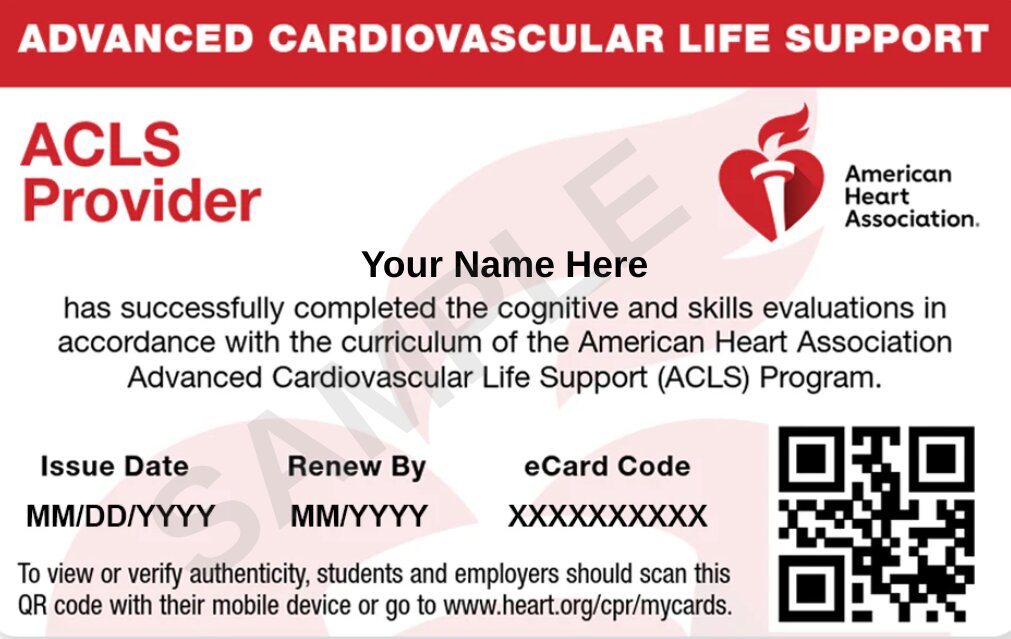
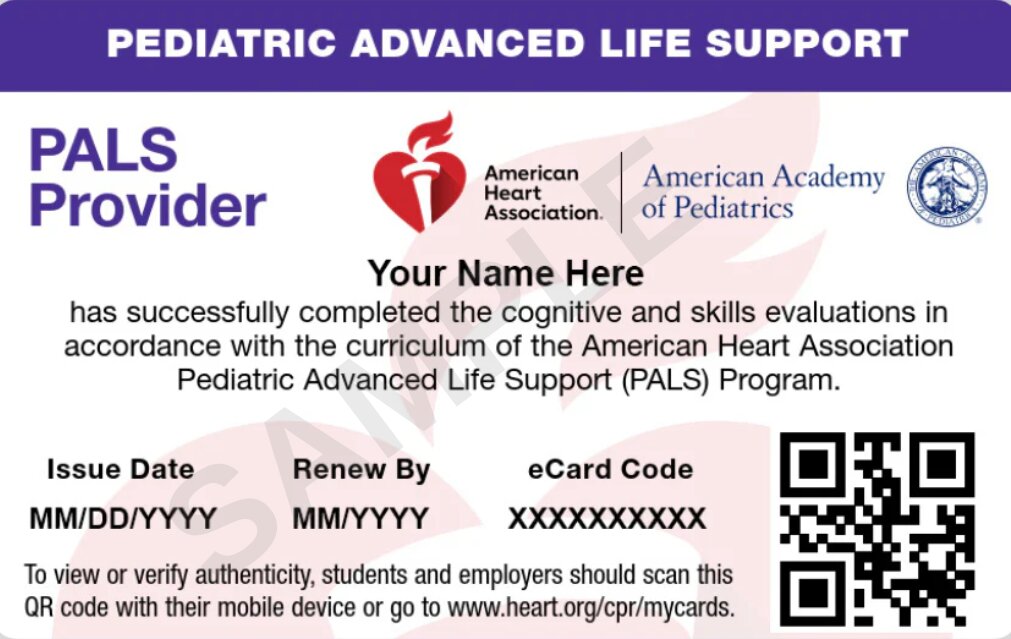
Maryland CPR Classes offers AHA ACLS and PALS certification for healthcare providers across the state. Both courses cover the cardiac arrest steps, including the search for reversible causes.
You begin by finishing the online coursework at your own pace through Self-Guided Learning. Then you visit a CPR Verification Station near you for a short hands-on skills session on a Voice-Assisted Manikin. Once you pass, your official AHA eCard is issued the same day.
Frequently Asked Questions
Why are reversible causes important during cardiac arrest?
Some causes of cardiac arrest can be identified and treated during resuscitation. Recognizing these conditions can help the healthcare team address problems that may be contributing to the arrest.
Are the Hs and Ts part of the ACLS algorithm?
Yes. The Hs and Ts are included when ACLS providers assess possible reversible causes during cardiac arrest management. They are considered alongside high-quality CPR, rhythm assessment, defibrillation when indicated, medications, and other interventions.
Can ultrasound help identify a reversible cause?
In some cardiac arrest situations, point-of-care ultrasound may help providers look for certain reversible causes. It should only be used when it does not cause unnecessary interruptions in chest compressions.
Why should healthcare professionals memorize the Hs and Ts?
Knowing the checklist can help providers quickly consider possible reversible causes during a high-stress resuscitation. It provides a structured reminder while the team continues other lifesaving interventions.