
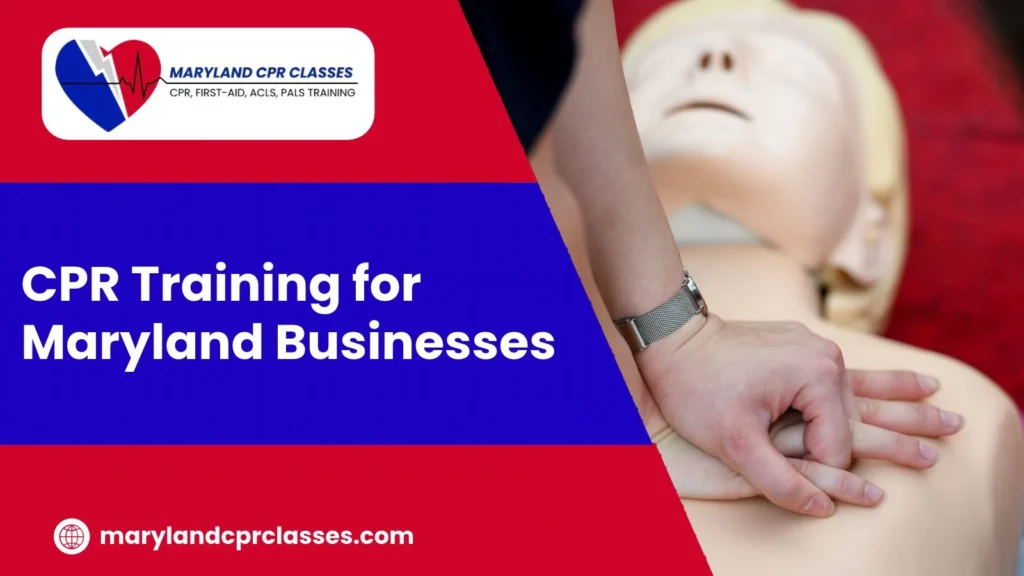
A medical emergency can happen without warning. It might occur on a warehouse floor in Baltimore, inside a corporate office in Rockville, or at a busy retail counter in Annapolis. When someone experiences a medical emergency, the people nearby may be the first to recognize the problem and take action. That’s why CPR training for Maryland businesses is an important part of workplace safety and emergency preparedness.
Cardiac arrest, choking, and other life-threatening emergencies can affect employees, customers, and visitors. Businesses that invest in CPR and AED training help their teams understand how to respond, contact emergency services, and provide appropriate assistance while waiting for professional help.
From small local businesses to large healthcare organizations, CPR training can support a safer workplace and help employees prepare for unexpected emergencies. Here are eight reasons Maryland businesses should consider CPR training for their teams, along with how Maryland CPR Classes supports professional certification through American Heart Association (AHA) programs.
1. CPR Training for Maryland Businesses Supports a Safer Workplace
A workplace with trained employees is better prepared to respond to medical emergencies. Cardiac arrest, choking, severe allergic reactions, and workplace injuries can require immediate action. Employees who understand how to recognize an emergency, contact emergency services, and provide appropriate first aid or CPR are better equipped to help.
Without training, employees may be uncertain about what to do or hesitate while waiting for assistance. CPR and emergency response training helps them understand the appropriate steps to take when someone needs immediate help.
For Maryland businesses, providing relevant training can form part of a broader workplace safety plan that addresses the needs of employees, customers, and visitors.
2. Maryland’s Workforce Includes Busy Offices, Public Venues, and Industrial Sites
Maryland has a diverse business environment, including healthcare facilities, government offices, manufacturing operations, retail stores, hospitality businesses, and corporate workplaces. These organizations serve employees and members of the public throughout the state.
In busy areas around Baltimore, Montgomery County, Prince George’s County, and Annapolis, medical emergencies can occur in workplaces with substantial daily foot traffic. Employees who know how to respond can begin appropriate emergency measures while emergency responders are on their way.
Although CPR training cannot prevent every emergency or guarantee a particular outcome, it helps prepare employees to act when someone experiences sudden cardiac arrest.
3. Some Industries Require or Recommend CPR Certification
Many occupations require or recommend current CPR, AED, or First Aid training. Requirements can vary depending on an employee’s responsibilities, workplace policies, licensing rules, and applicable regulations.
Healthcare professionals, childcare workers, school staff, fitness professionals, and other employees may need specific credentials to meet the requirements of their roles. Employers should identify which certifications apply to their teams rather than assuming every employee needs the same training.
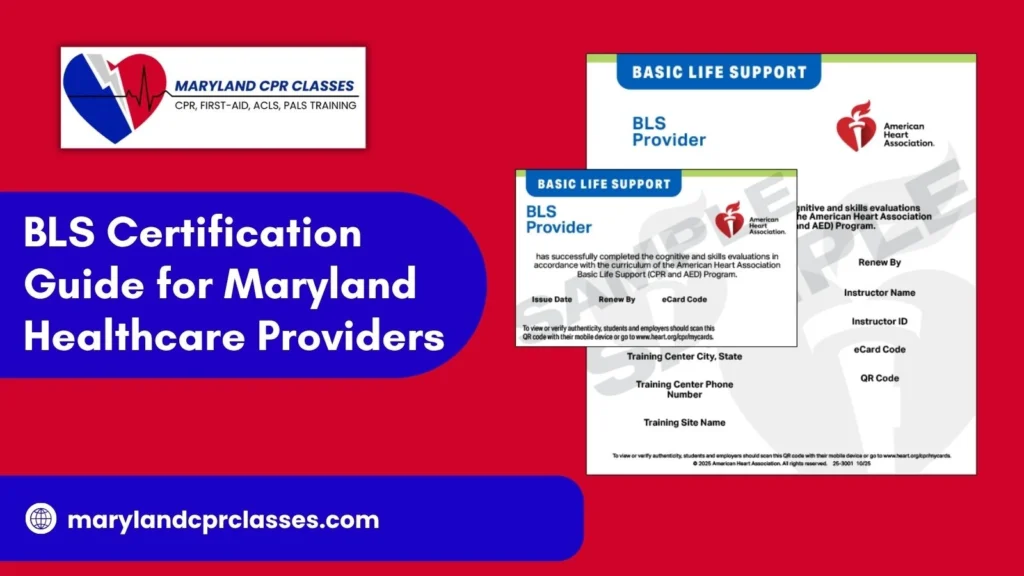
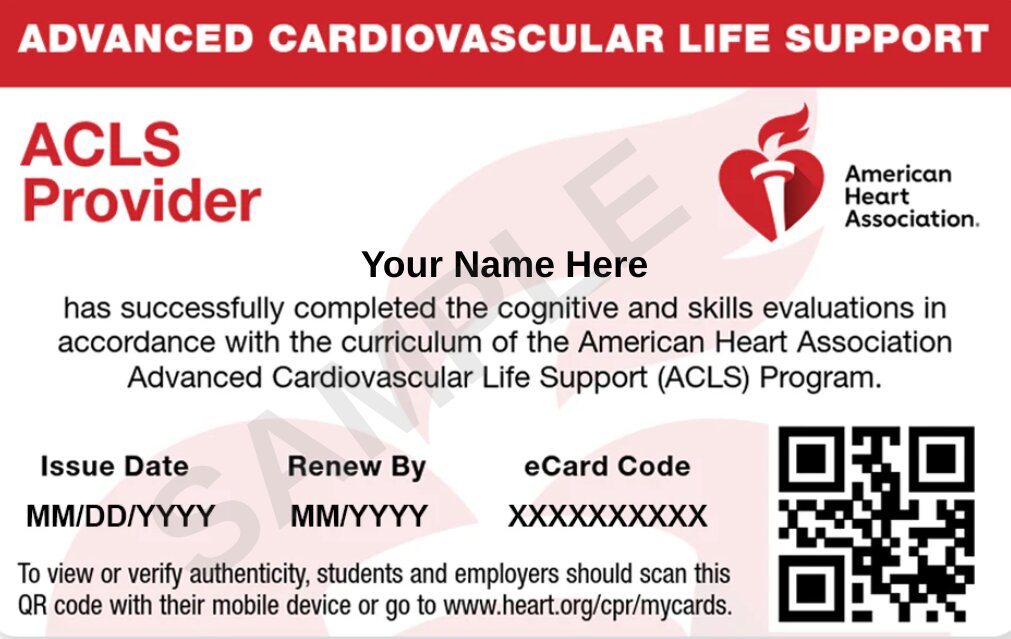
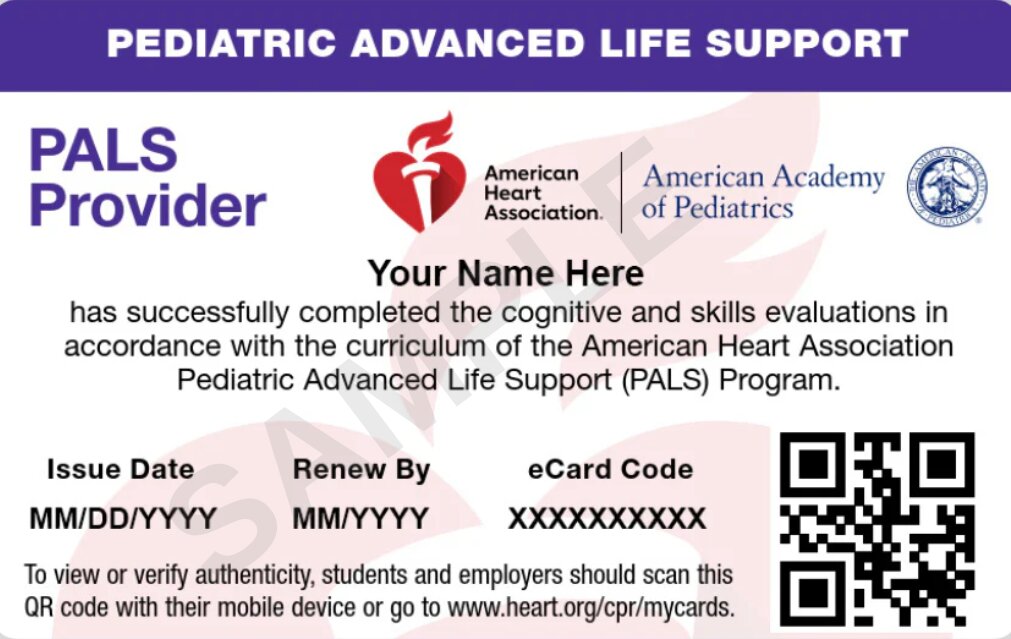
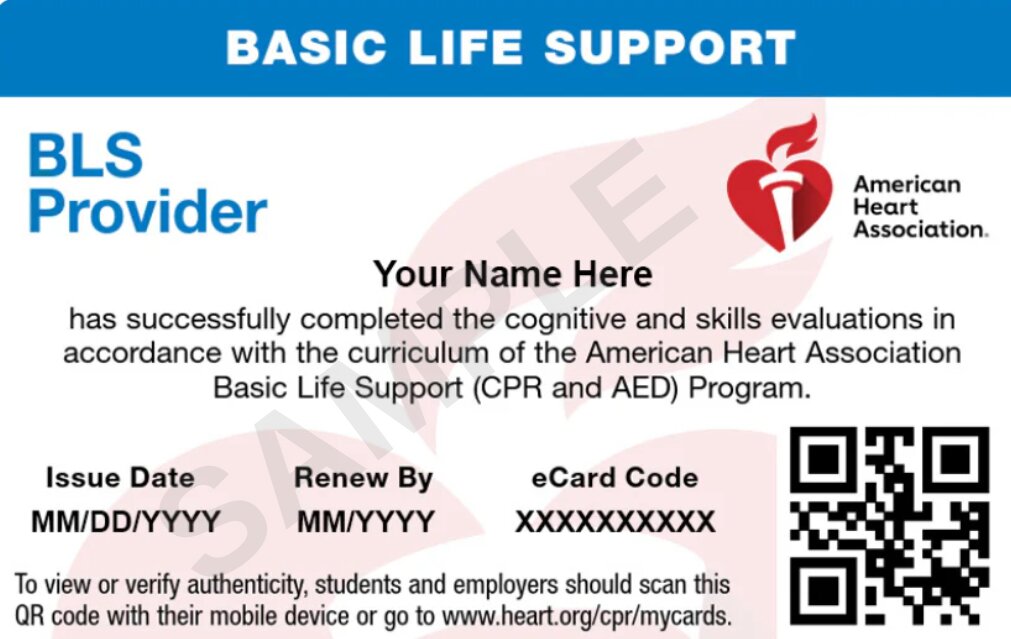
Maryland CPR Classes offers American Heart Association training options, including Basic Life Support (BLS), Advanced Cardiovascular Life Support (ACLS), and Pediatric Advanced Life Support (PALS). Selecting the appropriate course helps businesses align training with employees’ professional responsibilities.
Keeping track of certification expiration dates and renewal requirements also helps organizations manage their training schedules more effectively.
4. Trained Employees Can Respond With Greater Confidence
When someone collapses, nearby employees may need to recognize the emergency, call 911, begin CPR when indicated, and use an available automated external defibrillator (AED). Without prior training, they may be unsure which steps to take.
CPR training gives participants opportunities to learn and practice essential skills before facing an emergency. Hands-on practice helps reinforce proper technique and gives learners experience responding to simulated situations.
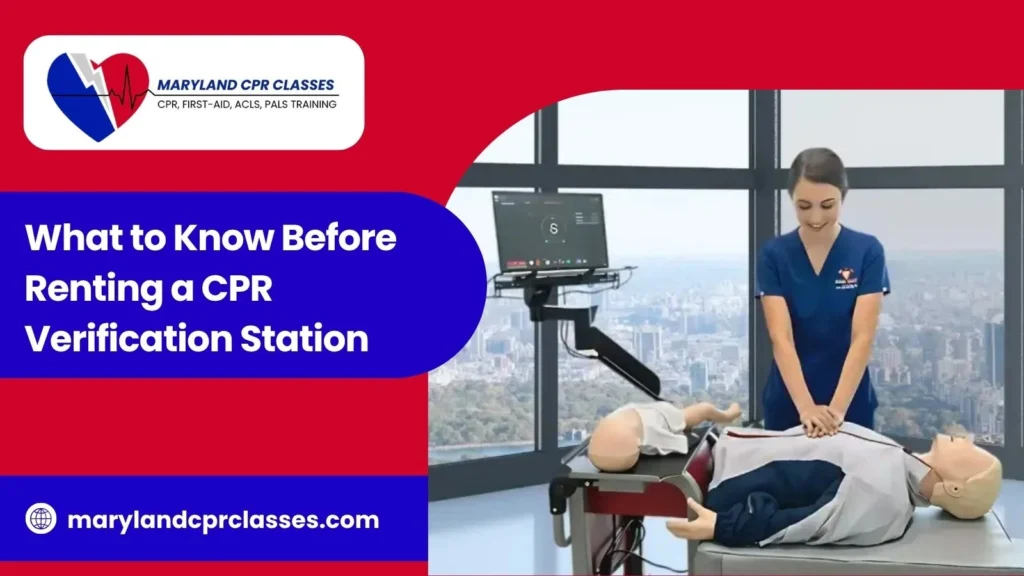
For applicable AHA courses, Voice-Assisted Manikins and CPR Verification Stations support skills practice and assessment. These tools provide feedback that helps learners understand their performance and work toward meeting the required skills standards.
For employers, training can help employees feel better prepared to respond appropriately rather than relying entirely on guesswork during a stressful situation.
5. CPR Training Supports Workplace Safety and Emergency Preparedness
Employers can strengthen their workplace safety efforts by preparing for medical emergencies and ensuring employees understand the appropriate response procedures.
CPR and AED training can form part of a broader emergency preparedness plan. Depending on the workplace, that plan may include procedures for contacting emergency services, identifying available AEDs, assigning emergency response responsibilities, and ensuring employees know how to report an incident.
Maintaining training records can also help employers monitor employee credentials and identify upcoming renewal needs. These records may support internal safety procedures and compliance efforts where applicable.
However, CPR training alone does not guarantee legal compliance or protect a business from liability. Employers should review the requirements relevant to their industry, workforce, and operating environment.
6. Healthcare Employers Need Appropriate, Verified Skills
Hospitals, urgent care centers, dental practices, and outpatient clinics rely on staff who can perform the life support skills required for their roles. Depending on their responsibilities, healthcare professionals may need BLS, ACLS, or PALS certification.
BLS focuses on essential life support skills, including CPR and AED use. ACLS addresses the assessment and management of cardiovascular emergencies, while PALS focuses on recognizing and responding to life-threatening emergencies in infants and children.
For eligible AHA courses, CPR Verification Stations provide a way for learners to demonstrate their skills using approved equipment. Voice-Assisted Manikins can guide learners and provide feedback during CPR practice.
Businesses considering group training or on-site skills verification should confirm the available arrangements, equipment requirements, and scheduling options with their training provider. These options may help healthcare organizations coordinate staff training around operational needs.
7. CPR Training Can Strengthen Workplace Culture
Employees want to know that their employer takes their safety seriously. Providing relevant emergency response training demonstrates that workplace preparedness is part of the organization’s broader approach to employee well-being.
Training can also help staff understand their responsibilities during an emergency and communicate more effectively when immediate action is needed. When employees know how to raise an alarm, contact emergency services, and assist within the scope of their training, they can contribute to a more organized response.
For businesses in Maryland, offering appropriate CPR training can be one practical way to encourage employees to look out for one another and prepare for unexpected situations.
8. Trained Employees Can Help Protect Customers and Visitors
Workplace emergencies do not affect employees alone. Retail stores, gyms, hotels, event venues, restaurants, and other public-facing businesses welcome customers and visitors every day.
If a customer or visitor experiences sudden cardiac arrest, nearby staff may be among the first people able to recognize the emergency and call for help. Employees with current CPR and AED training are better prepared to begin appropriate emergency measures while waiting for emergency responders.
Businesses that regularly serve the public should consider how their emergency procedures address customers and visitors as well as employees. Training, accessible emergency equipment, and clear response procedures can help organizations prepare for these situations.
What Maryland Employers Should Look for in a CPR Training Provider
Choosing an appropriate CPR training provider involves more than finding a convenient class. Maryland businesses should consider the following factors when planning employee training.
American Heart Association training options: Look for courses that meet the requirements of employees’ roles and the credentials their employers need. Confirm that the selected course provides the appropriate certification.
Flexible learning arrangements: Self-Guided Learning may allow eligible participants to complete online coursework before attending a skills session. Confirm the required steps, available schedules, and course format before booking.
Hands-on skills verification: CPR training should include the skills practice and assessment required by the selected course. For applicable AHA courses, an approved CPR Verification Station may be used to verify skills.
Group and on-site arrangements: Businesses training multiple employees may benefit from coordinated scheduling or available on-site options. Ask the provider about group arrangements, equipment availability, and any applicable rental services.
Courses that match employees’ responsibilities: BLS is appropriate for many healthcare professionals and others who require basic life support skills. ACLS and PALS are intended for healthcare professionals who need advanced training in adult cardiovascular or pediatric life support, respectively. The appropriate choice depends on each employee’s role and requirements.
Certification tracking and renewal planning: Confirm the certification period, renewal requirements, and documentation provided upon successful completion. This helps employers plan training and keep employee credentials current.
Prepare Your Maryland Team With CPR Training
CPR training for Maryland businesses is an investment in workplace emergency preparedness. It helps employees develop the knowledge and skills needed to recognize emergencies, respond appropriately, and assist others while professional help is on the way.
From understanding industry-specific training requirements to building employee confidence, CPR and AED training can support a more prepared workplace. Choosing the right course also helps employers align training with the responsibilities of their teams.
Maryland CPR Classes offers American Heart Association training options, including BLS, ACLS, and PALS. Depending on the course, available learning formats may include Self-Guided Learning, hands-on skills verification at a CPR Verification Station, and practice using Voice-Assisted Manikins.
If your Maryland business is planning CPR training for employees, contact Maryland CPR Classes to discuss available courses and identify an option that fits your team’s certification needs and schedule.