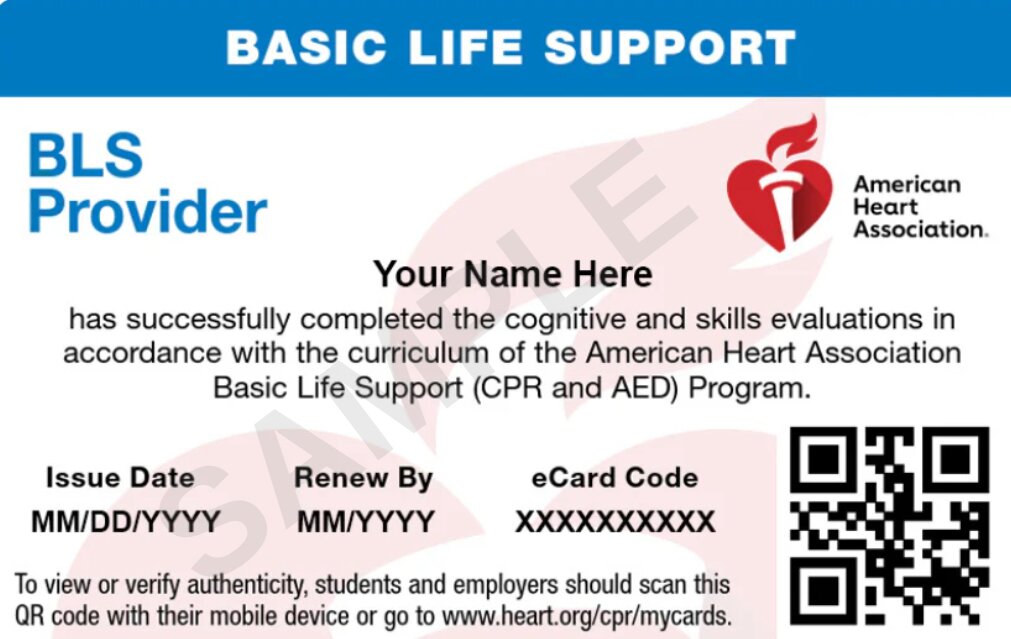

Nurses working in Maryland need BLS certification, also known as Basic Life Support. It’s the standard CPR course for healthcare professionals, and it’s what nearly every hospital, clinic, nursing home, and healthcare employer in the state requires before you can start working with patients. This guide walks through what BLS actually covers, why it’s different from a general public CPR class, when nurses need more than BLS, and how to get certified in Maryland without losing a week of your schedule to it.
Is BLS Required by Maryland Law?
This is where a lot of nurses get confused. The Maryland Board of Nursing does not require CPR certification as a condition of getting or renewing your RN or LPN license. Your license stays valid based on the Board’s own rules, and CPR certification isn’t part of that process.
That doesn’t make BLS optional in practice, though. The requirement simply comes from a different place: your employer. Nearly every hospital system, nursing home, home health agency, and outpatient clinic in Maryland treats current BLS certification as a non-negotiable condition of employment. Job postings will usually say “BLS required” directly, and many employers ask for proof of a current card before every shift, not just when you’re first hired.
So while the state itself stays out of it, you should still expect to need BLS certification for almost any clinical nursing role in Maryland, and to keep it current for as long as you’re working.
What Does BLS Actually Cover?
BLS goes further than a general CPR class most people take for personal safety or a workplace requirement. It’s built specifically around the kind of emergencies nurses respond to on the job, and it assumes you’re working alongside other clinical staff rather than responding alone.
The course covers CPR technique across adult, child, and infant patients, since compression depth, hand placement, and rescue breathing all change depending on the size of the patient. You’ll also practice AED use, including how to handle situations like a patient with a pacemaker. A significant part of the course is dedicated to two-person CPR, where compressions and ventilations are split between two rescuers working in sync, along with bag-valve-mask ventilation, a skill that takes real practice to perform correctly.
Beyond the individual skills, BLS puts real weight on team-based response. You’ll practice switching roles mid-code without breaking rhythm, communicating clearly under pressure, and fitting into a coordinated response rather than working in isolation. This is the piece that separates BLS from a general CPR class built for teachers, coaches, or workplace safety, and it’s exactly what hospitals are checking for when they require it.
Do Nursing Students Need BLS Before Starting School?
Often, yes, and earlier than most students expect. A lot of Maryland nursing programs list current BLS certification as a requirement before clinical rotations begin, and some ask for it as part of the application itself, alongside things like a background check or updated immunizations.
If you’re applying to a nursing program or about to start clinical rotations, check your program’s specific requirement well ahead of time. Programs vary in how far in advance they want your certification in place, and scheduling a course the week before your first clinical day adds pressure you don’t need during an already demanding transition into hands-on training.
Do Some Nurses Need More Than BLS?
For a large share of nurses, BLS is the entire requirement. But certain units and specialties commonly ask for additional certification layered on top of it.
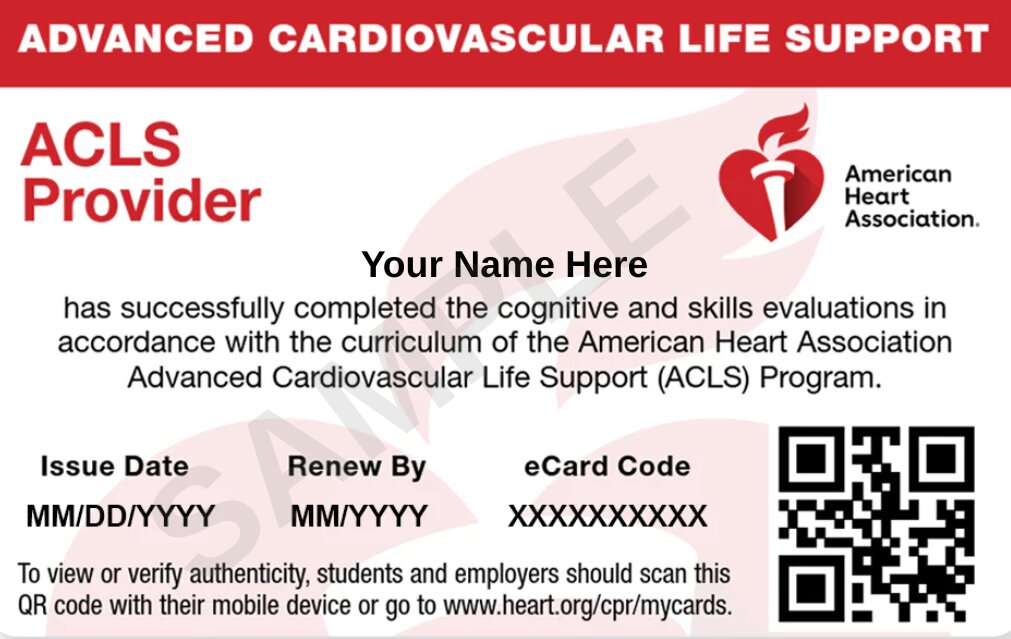
Nurses working in the ICU, the emergency department, cardiac cath labs, or other units where cardiac emergencies happen regularly are often required to hold ACLS as well, which builds on BLS with rhythm recognition, defibrillation, and emergency medication protocols for adult patients in cardiac arrest or a related emergency.
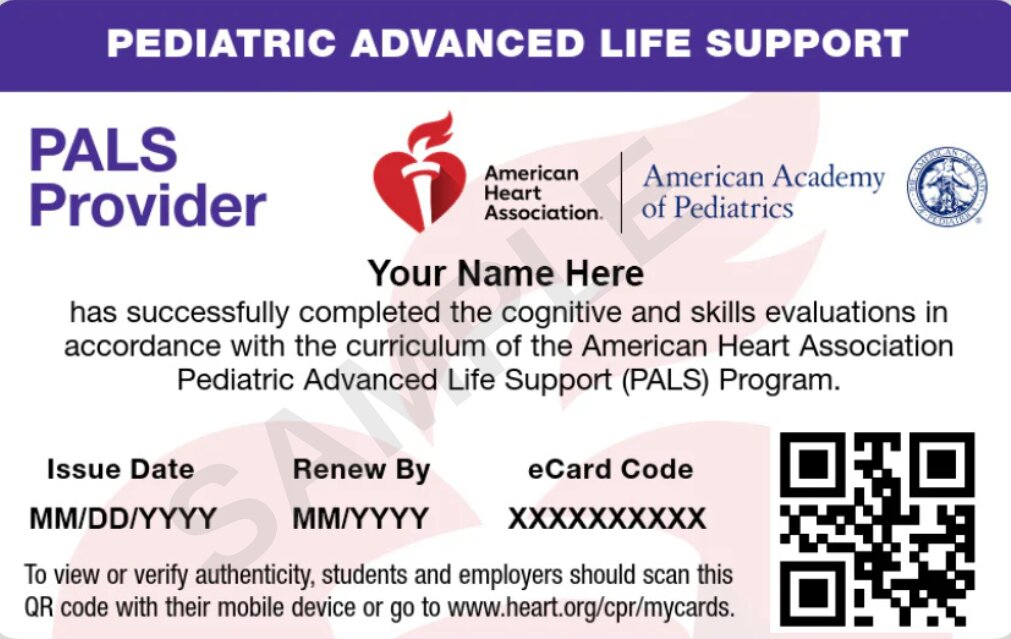
Nurses working with children, whether in a pediatric unit, the NICU, or the PICU, are often required to hold PALS in addition to BLS. Pediatric patients respond differently to emergencies than adults do, and PALS trains nurses in the assessment approach, equipment sizing, and medication dosing specific to infants and children.
Whether you need ACLS, PALS, both, or neither on top of BLS depends entirely on your unit and your employer’s specific policy, so check your job description or ask your manager directly rather than assuming. Maryland CPR Classes offers BLS, ACLS, and PALS, so nurses who need more than one certification level can get everything through a single provider instead of juggling multiple training centers.
Why Do Employers Specifically Ask for AHA Certification?
Even though the state doesn’t mandate a specific training organization, individual hospitals and health systems in Maryland almost always specify American Heart Association certification by name in their hiring and onboarding policies. This comes down to consistency across large teams. When every nurse, respiratory therapist, and physician on a unit has trained under the same protocols and terminology, a code response runs more smoothly, since no one is translating between different training standards in the middle of an emergency. AHA certification is the most widely recognized standard among U.S. healthcare employers, which is a big part of why it shows up specifically in job postings rather than employers accepting any general CPR provider.
How to Get BLS Certified in Maryland
Maryland CPR Classes is built around how nursing schedules actually work, since finding a full day for an in-person class between rotating shifts isn’t realistic for most working nurses or students.
The process starts with Self-Guided Learning, where you complete the online coursework for BLS at your own pace, on your own device, whenever your schedule allows. Once that’s done, you’ll visit a CPR Verification Station near you for a focused, in-person skills session. These stations use Voice-Assisted Manikins, which give you real-time feedback on your compression depth and rate as you complete your hands-on skills test, so your performance is properly verified before your certification is issued.
Pass your skills check and you’ll receive your official AHA eCard the same day, ready to show your employer or clinical program. Maryland CPR Classes operates locations across the state, including Baltimore City, Annapolis, Bethesda, Columbia, Frederick, Gaithersburg, Hagerstown, Salisbury, Silver Spring, Towson, and Ocean City, so a nearby skills session shouldn’t mean a long drive.
If your schedule is especially unpredictable, Self-Paced CPR Certification is also available for nurses working rotating shifts or multiple jobs at once, giving you even more flexibility around when you complete each step.
Learn About BLS Classes in Maryland
How Long Does BLS Certification Last?
BLS, ACLS, and PALS certifications through the AHA are all valid for two years from the date you complete your course. After that, you’ll need to recertify to keep your card current. Recertification follows the same process as your first course: complete the updated online material, then verify your skills at a CPR Verification Station.
Set a reminder well ahead of your expiration date. Many employers check for current certification before every shift, and a lapsed card can pull you off the schedule until you renew, even if your license itself is still active and in good standing.
Group Training for Hospitals and Healthcare Facilities
Hospitals, nursing homes, and staffing agencies often need to certify or recertify a large number of nurses at once, which can be difficult to coordinate around individual shift patterns. Maryland CPR Classes offers group and on-site training options, along with CPR Verification Station rentals, so facilities can manage certification for an entire nursing staff without sending everyone offsite one at a time.
Frequently Asked Questions
Does the Maryland Board of Nursing require CPR certification for licensure?
No. CPR certification isn’t part of getting or renewing an RN or LPN license in Maryland. It’s required by individual employers as a condition of employment, not by the state licensing board.
What level of CPR certification do Maryland hospitals require for nurses?
Most hospitals and healthcare employers require BLS, the American Heart Association course built specifically for healthcare professionals, rather than a general public CPR class.
Can BLS certification be completed entirely online?
The coursework can be completed online at your own pace, but AHA certification also requires an in-person hands-on skills session. Your card isn’t issued until your skills are verified in person.
How long does BLS certification last before I need to renew it?
Two years from the completion date, after which recertification is required.