
Medical assistants in Maryland typically need BLS certification, the American Heart Association course built for healthcare professionals. Unlike nurses or dentists, medical assistants aren’t licensed by a Maryland state board, so this requirement doesn’t come from state law. It comes almost entirely from employers, and it’s one of the most consistent hiring requirements across clinics, physician offices, and hospital-based practices in the state. Here’s what medical assistants actually need to know before applying for a job or starting a training program.
Are Medical Assistants Licensed in Maryland?
No. Maryland doesn’t have a state licensing board for medical assistants, which puts them in a different category than nurses, dentists, or EMS providers, all of whom answer to a specific state board or agency. Instead, medical assistants typically pursue voluntary national certification through organizations like the American Association of Medical Assistants (CMA credential), American Medical Technologists (RMA credential), or the National Healthcareer Association (CCMA credential).
Because there’s no state license involved, there’s also no state regulation directly requiring CPR certification for medical assistants in Maryland. The requirement instead comes from the people actually hiring medical assistants: physician practices, urgent care clinics, hospital outpatient departments, and specialty offices. In practice, this makes CPR certification almost universally expected anyway, just enforced through employment rather than licensure.
What Certification Do Employers Actually Require: BLS
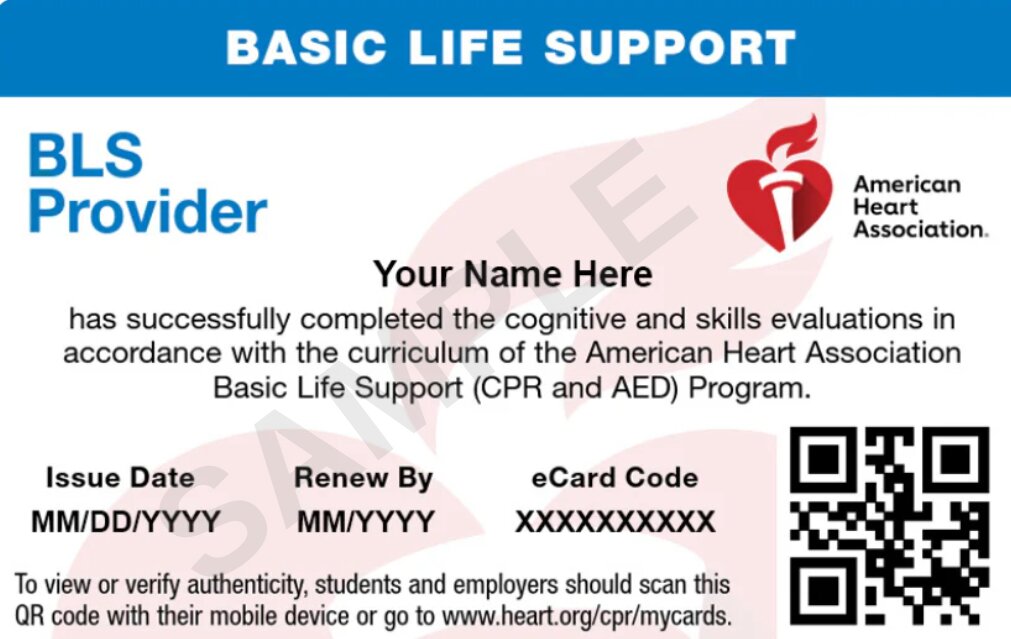
When a Maryland clinic or medical practice lists CPR certification as a job requirement for a medical assistant role, they’re almost always referring to BLS, not a general public CPR class. BLS is the healthcare provider-level course, and it reflects the fact that medical assistants work in direct patient contact, often taking vitals, assisting with procedures, and working in exam rooms where a medical emergency could happen without warning.
A BLS course covers Adult, Child, and Infant CPR, AED use, two-person CPR technique, and bag-valve-mask ventilation, along with team-based response skills for handling an emergency alongside other clinical staff. This is a meaningfully different skill set than a Heartsaver-level course built for non-clinical roles like teachers or office workers. If a job posting says “BLS required” or “Healthcare Provider CPR required,” that’s the specific course being asked for, not a general CPR card.
Does National Medical Assistant Certification Require CPR?
This varies, and it’s worth understanding clearly rather than assuming. Getting certified as a CMA, RMA, or CCMA is not itself a Maryland requirement, since certification is voluntary. Whether CPR certification is required to sit for one of these national exams depends on which certifying body and which eligibility path you’re using, and it isn’t a blanket rule across all of them.
What is far more consistent is that most medical assistant training programs build CPR certification directly into the curriculum, often as a requirement before students begin their clinical externship. This mirrors how nursing programs require BLS before clinical rotations. If you’re enrolled in or considering a medical assistant program, check whether CPR certification is included in your coursework or whether you’ll need to arrange it separately, since missing this can delay your externship placement even if the school itself doesn’t emphasize it upfront.
Why This Matters Even Without a State Mandate
Because there’s no licensing board setting the rule, medical assistants sometimes assume CPR certification is optional or flexible. In reality, it functions as a hard requirement in most Maryland clinical settings, just enforced at the hiring and onboarding stage instead of through a state license renewal. A candidate without current BLS certification is often disqualified from clinical medical assistant roles outright, regardless of how strong the rest of their resume looks, simply because most practices won’t accept the liability of an uncertified staff member working directly with patients.
If you’re job hunting as a medical assistant in Maryland, treat current BLS certification as a baseline requirement to have in hand before you apply, not something to sort out after an offer comes in.
How to Get BLS Certified in Maryland
Maryland CPR Classes offers a training format that works well for medical assistant students and working MAs juggling clinical hours, coursework, and externship schedules all at once.
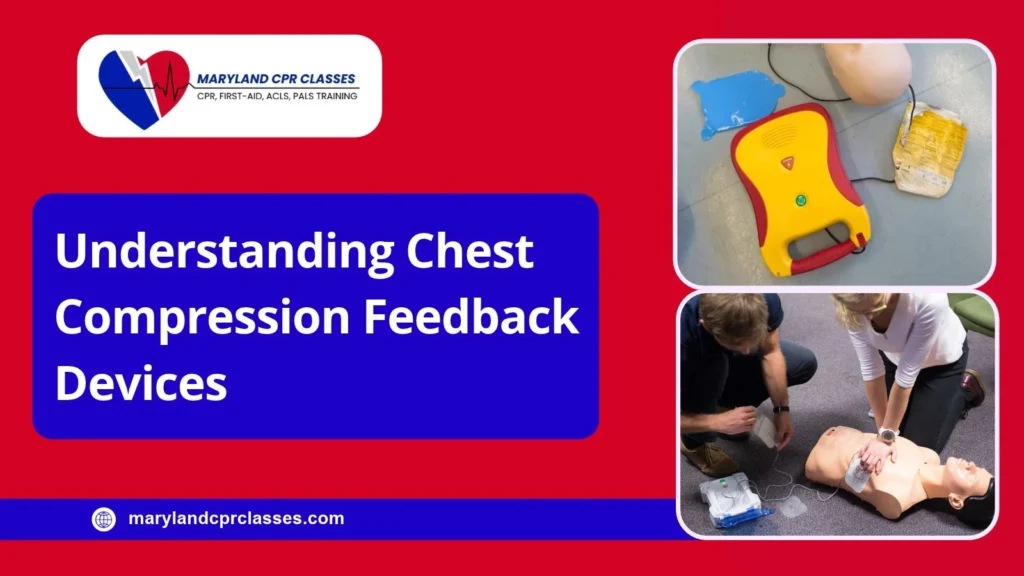
You’ll start with Self-Guided Learning, completing the BLS online coursework at your own pace, on your own device. From there, you’ll attend a short, in-person skills session at a CPR Verification Station near you. These stations use Voice-Assisted Manikins, giving you real-time feedback on your compression depth and rate as you complete your hands-on skills test, so your certification includes the verified, in-person component employers and training programs expect.
Pass your skills check and you’ll walk away with your official AHA eCard the same day. Maryland CPR Classes has locations throughout the state, including Annapolis, Baltimore City, Bethesda, Columbia, Frederick, Gaithersburg, Hagerstown, Salisbury, Silver Spring, Towson, and Ocean City.
How Long Does BLS Certification Last?
BLS certification is valid for two years from the completion date. After that, recertification is required to keep your card current, which follows the same structure as your first course: refresh the online material, then verify your skills in person.
Since most employers check for a current card before you start, not just at hire, it’s worth building a reminder into your calendar well before your expiration date rather than discovering it’s lapsed on a day you’re scheduled to work.
Group Training for Clinics and Medical Practices
Physician offices and clinics that employ multiple medical assistants often need to certify or recertify several staff members around the same time, which can be a scheduling headache when everyone’s shift patterns differ. Maryland CPR Classes offers group and on-site training options, along with CPR Verification Station rentals, so practice managers can handle certification for their whole clinical team without pulling staff out one at a time.
Before Your First Shift
If you’re heading into your first medical assistant job, or your first clinical externship, current BLS certification is one of the few things that can hold up your start date if it’s missing. It’s worth having it done and in hand well before you need it, not scrambled together the week your placement begins. Maryland CPR Classes runs BLS sessions across the state with same-day AHA eCards, so this is one item you can cross off the list quickly and move on to the parts of the job that actually need your full attention.
Frequently Asked Questions
Do medical assistants need a state license to work in Maryland?
No. Maryland doesn’t license medical assistants through a state board. National certifications like CMA, RMA, and CCMA are voluntary, and CPR certification requirements come from individual employers rather than state law.
What level of CPR certification do medical assistants need?
Most Maryland employers require BLS, the AHA course built for healthcare professionals, rather than a general public CPR class.
Can a medical practice set up group BLS training for multiple staff at once?
Yes. Maryland CPR Classes offers group and on-site training, along with CPR Verification Station rentals, for practices managing certification across their clinical team.