
Imagine someone suddenly collapses at work, in a grocery store, or during a youth sports game. They aren’t responding and aren’t breathing normally. In a situation like this, every action matters. Calling 911, starting CPR, and using an Automated External Defibrillator (AED) as quickly as possible can greatly improve the person’s chance of survival.
Many people have seen an AED mounted on a wall in airports, schools, gyms, or office buildings but aren’t sure what it does or if they’re allowed to use it. The good news is that AEDs are designed to be simple and safe for everyday people, even if they’ve never used one before.
In this guide, you’ll learn what an AED is, how it works, when to use it, and why combining CPR with an AED is one of the most effective ways to respond to sudden cardiac arrest.
What Does AED Stand For?
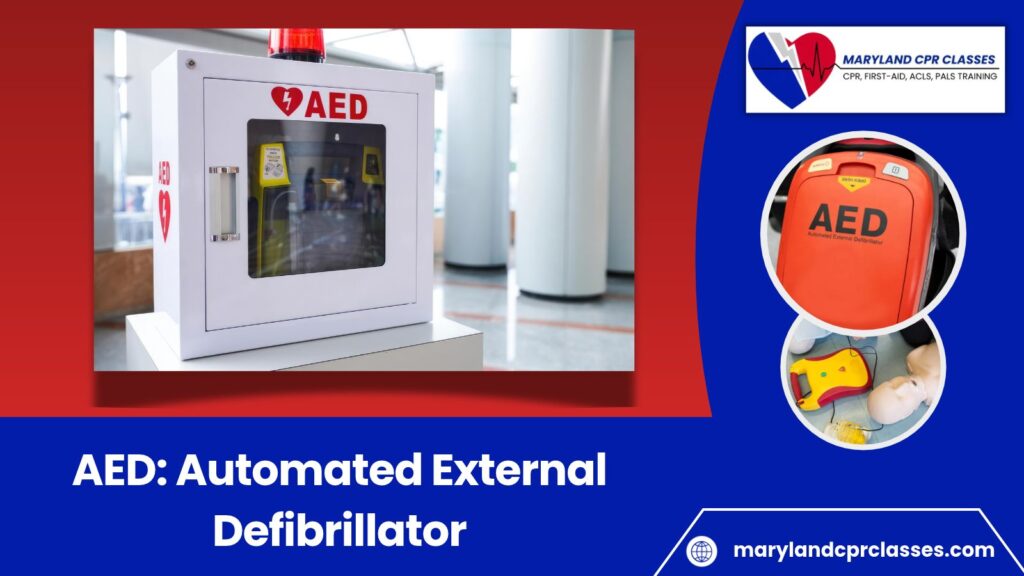
AED stands for Automated External Defibrillator.
Here’s what each word means:
- Automated means the device automatically analyzes the person’s heart rhythm.
- External means the device is used outside the body by placing pads on the chest.
- Defibrillator refers to a device that can deliver an electrical shock to help restore a normal heart rhythm when appropriate.
Unlike medical equipment used in hospitals, AEDs are specifically made for public use. They provide clear voice instructions that guide rescuers through every step.
What Is an AED?
An AED is a portable medical device used during a sudden cardiac arrest.
When a person experiences sudden cardiac arrest, the heart may stop beating effectively because of an abnormal electrical rhythm. Without immediate treatment, blood stops flowing to the brain and other vital organs.
An AED checks the heart’s rhythm and determines if an electrical shock is needed. If a shock is appropriate, the device instructs the rescuer to deliver it. If a shock isn’t needed, the AED will not allow one to be given.
This built-in safety feature makes AEDs safe for both trained professionals and members of the public.
How Does an AED Work?
Using an AED is much easier than many people think. Modern devices provide step-by-step voice prompts that guide you throughout the rescue.
Step 1: Call 911 and Start CPR
If someone is unresponsive and isn’t breathing normally, call 911 immediately or ask someone nearby to call.
Begin CPR while another person retrieves the AED if one is available.
Step 2: Turn on the AED
Open the AED and press the power button if necessary. Most devices begin speaking immediately and provide clear instructions.
Step 3: Attach the Pads
Expose the person’s chest and place the adhesive electrode pads exactly where the pictures on the pads indicate.
The pads allow the AED to monitor the heart’s electrical activity.
Step 4: Let the AED Analyze the Heart
Once the pads are attached, the AED checks the person’s heart rhythm.
During this time, no one should touch the person.
The AED determines whether a shock is needed.
Step 5: Deliver the Shock if Advised
If the AED recommends a shock, it will instruct everyone to stand clear before the shock is delivered.
Many AEDs require you to press a flashing shock button, while others deliver the shock automatically after confirming the area is clear.
Step 6: Continue CPR
Immediately after the shock, or if no shock is advised, continue CPR until emergency medical personnel arrive or the person begins showing signs of life.
The AED continues monitoring the person’s condition and will provide additional instructions if needed.
When Should You Use an AED?
An AED should be used when someone:
- Suddenly collapses
- Is unresponsive
- Is not breathing normally
- Is only gasping for air
These are common signs of sudden cardiac arrest.
Do not wait to see if the person wakes up. Call 911, begin CPR, and use an AED as soon as one becomes available.
The earlier an AED is used, the greater the chance of restoring a normal heart rhythm in people with shockable cardiac rhythms.
Can an AED Hurt Someone?
One of the biggest misconceptions is that an AED can accidentally shock someone who doesn’t need it.
Fortunately, AEDs are designed with multiple safety features.
The device analyzes the heart’s rhythm before delivering any shock.
If the heart rhythm doesn’t require defibrillation, the AED simply tells you to continue CPR.
Because of this, you cannot accidentally shock someone unless the device determines it is appropriate.
This makes AEDs extremely safe for public use.
AED vs. CPR: What’s the Difference?
Although CPR and an AED are often mentioned together, they perform different functions during an emergency.
| CPR | AED |
| Keeps blood circulating through chest compressions | Analyzes the heart’s rhythm |
| Delivers oxygen-rich blood to vital organs | Delivers a shock only when needed |
| Started immediately | Used as soon as an AED is available |
| Performed manually | Uses automated technology and voice prompts |
CPR keeps blood flowing to the brain and other organs, while an AED may restore a normal heart rhythm in certain types of sudden cardiac arrest.
Using both together gives the person the best possible chance while waiting for emergency responders.
Where Are AEDs Commonly Found?
AEDs are now available in many public places across Maryland.
You may find one in:
- Schools
- Colleges and universities
- Airports
- Shopping malls
- Hospitals
- Medical offices
- Fitness centers
- Hotels
- Churches
- Community centers
- Office buildings
- Sports facilities
- Government buildings
Many workplaces also install AEDs as part of their emergency preparedness plans.
Learning where AEDs are located in places you visit regularly can save valuable time during an emergency.
Who Should Learn How to Use an AED?
AED training isn’t only for healthcare professionals.
Many people benefit from learning how to use one, including:
- Nurses
- Physicians
- EMTs
- Paramedics
- Medical assistants
- Healthcare students
- Teachers
- Coaches
- Childcare providers
- Security personnel
- Workplace employees
- Parents
- Caregivers
Since sudden cardiac arrest can happen almost anywhere, knowing how to respond can help you assist a family member, coworker, student, customer, or even a stranger.
Do You Need Training to Use an AED?
Anyone can use an AED during an emergency.
The voice prompts are specifically designed to guide both trained and untrained rescuers through the process.
However, taking a CPR and AED course provides important hands-on experience that helps you respond more confidently under pressure.
Training teaches you how to:
- Recognize sudden cardiac arrest
- Perform high-quality CPR
- Operate an AED correctly
- Help someone who is choking
- Work effectively until EMS arrives
Many people find that practicing these skills in a structured course helps them feel more prepared if they ever face a real emergency.
CPR and AED Training in Maryland
If you’re looking to build your emergency response skills, Maryland CPR Classes offers American Heart Association training for healthcare professionals and the general public.
Available courses include:
- CPR Certification
- AED Training
- First Aid Certification
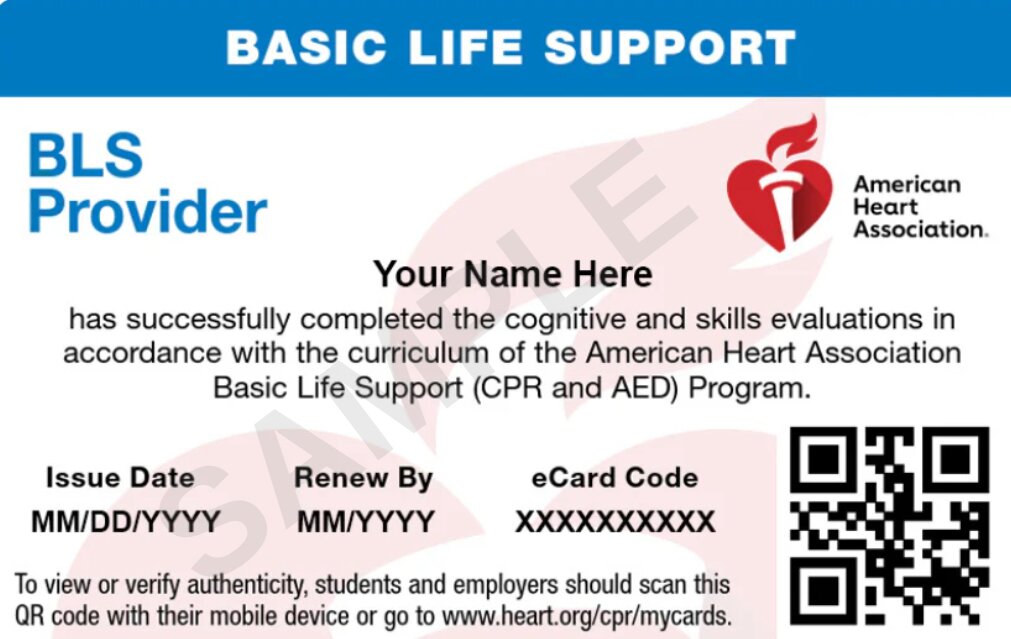
- Basic Life Support (BLS)
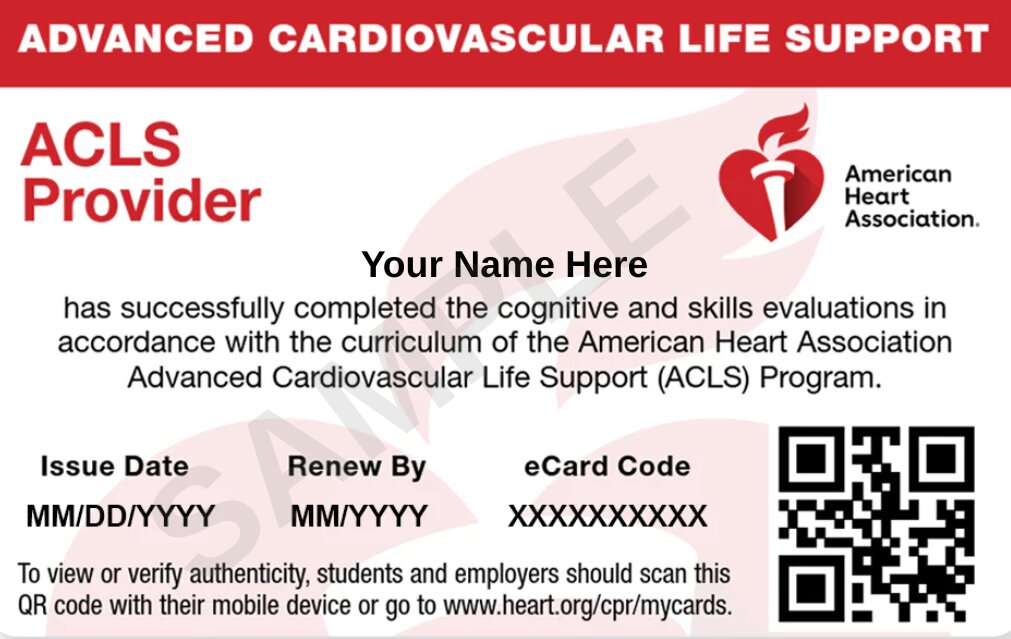
- Advanced Cardiovascular Life Support (ACLS)
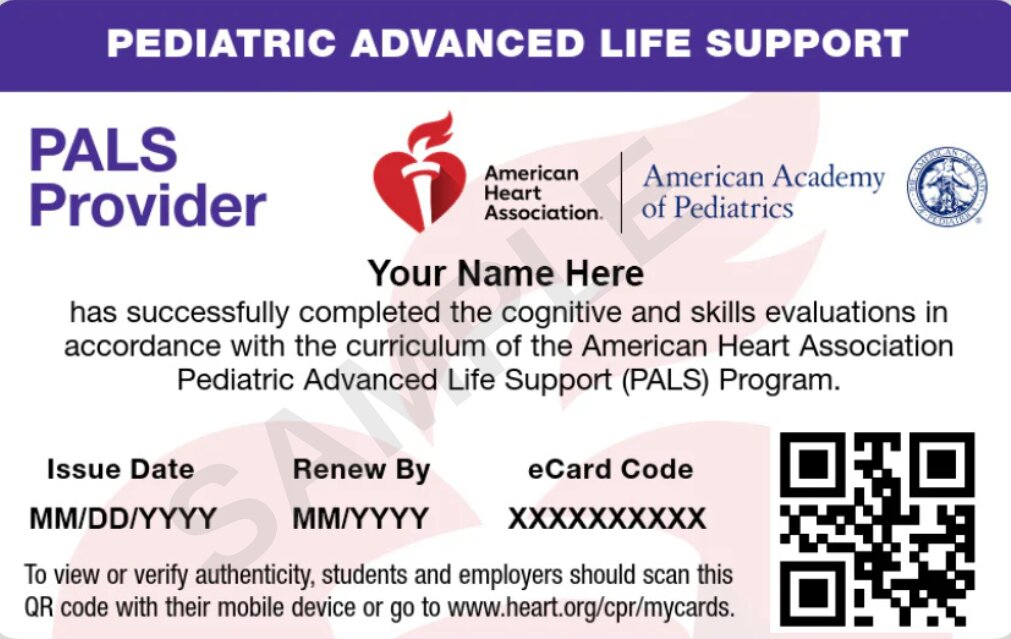
- Pediatric Advanced Life Support (PALS)
Many students choose Self-Guided Learning, which combines online coursework with a short in-person skills session using a CPR Verification Station and a Voice-Assisted Manikin. This flexible format allows students to complete the educational portion at their own pace while meeting the hands-on skills requirements for American Heart Association certification.
Whether you’re earning your first certification or renewing an existing one, this approach offers a convenient way to complete your training.
Final Thoughts
Understanding what an AED is and how it works can help you feel more prepared to respond during a cardiac emergency. These devices are safe, easy to use, and designed to guide rescuers through each step of the process.
While an AED plays an important role in treating sudden cardiac arrest, it is most effective when used alongside high-quality CPR. Learning both skills through an American Heart Association training course gives you the knowledge and practical experience to act with confidence when it matters most.
Whether you’re a healthcare professional, teacher, parent, or workplace employee, CPR and AED training can prepare you to respond quickly and effectively if someone experiences sudden cardiac arrest.
Frequently Asked Questions
Can anyone use an AED?
Yes. AEDs are designed for public use and provide voice instructions that guide users through each step.
Does an AED replace CPR?
No. CPR and an AED work together. CPR keeps blood circulating, while an AED may restore a normal heart rhythm if the device determines a shock is needed.
Can an AED restart every heart?
No. An AED only delivers a shock for certain abnormal heart rhythms. If a shock isn’t appropriate, the device instructs you to continue CPR.
Can an AED be used on children?
Yes. Many AEDs include pediatric pads or settings for children. Follow the manufacturer’s instructions and continue CPR while waiting for emergency medical services.
Is AED training included with CPR certification?
Many CPR certification courses include instruction on how to recognize sudden cardiac arrest and safely operate an AED as part of the training.