
Learning CPR and how to use an automated external defibrillator (AED) can help you respond when someone experiences a sudden cardiac emergency. You do not need to work in healthcare to benefit from these skills. Parents, teachers, childcare providers, coaches, workplace employees, and other members of the public may all find themselves in a situation where someone needs immediate help.
If you are planning to take a Heartsaver CPR AED class in Maryland, a little preparation can help you get more from the training. You do not need previous CPR experience. The important thing is to come ready to learn, practice the techniques, and understand how to respond in an emergency.
Why Learn CPR and AED Skills?
Cardiac emergencies can happen at home, at work, in public places, or during everyday activities. The person who needs help could be a family member, friend, coworker, or someone you have never met.
Knowing what to do can help you take action while emergency services are on the way. CPR helps maintain blood flow during cardiac arrest, while an AED can analyze a person’s heart rhythm and deliver a shock when needed. Learning how these steps work together can make it easier to respond instead of feeling unsure about what to do.
People take CPR and AED training for many reasons:
- Parents and family members: Learn how to respond if a loved one experiences a medical emergency.
- Teachers and school staff: Prepare to help students, colleagues, or visitors who need emergency assistance.
- Childcare providers and babysitters: Build knowledge of emergency response and check whether child and infant CPR topics are included in the selected course.
- Coaches and fitness professionals: Prepare for emergencies that may occur during sports, exercise, or physical activities.
- Workplace employees: Learn how to respond if a coworker, customer, or visitor collapses.
- Community members: Gain practical knowledge that may help when someone needs assistance in a public setting.
A course completion card can also be useful when a workplace or organization asks for CPR training. However, the value of learning CPR goes beyond having a card. It gives you an opportunity to understand the steps involved and practice using the skills.
Understand What a Heartsaver CPR AED Class Covers
Before attending, take a moment to understand what you will learn. The American Heart Association (AHA) Heartsaver CPR AED course is designed for people with little or no medical training who want to learn CPR and AED skills.
The course focuses on recognizing an emergency and responding with the appropriate techniques. Depending on the course path, topics may include:
CPR Skills
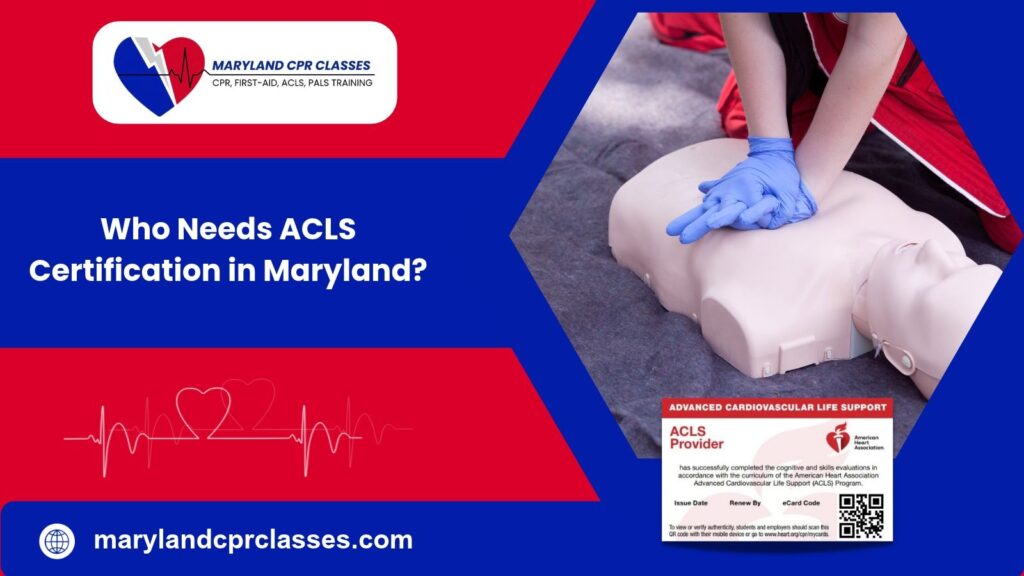
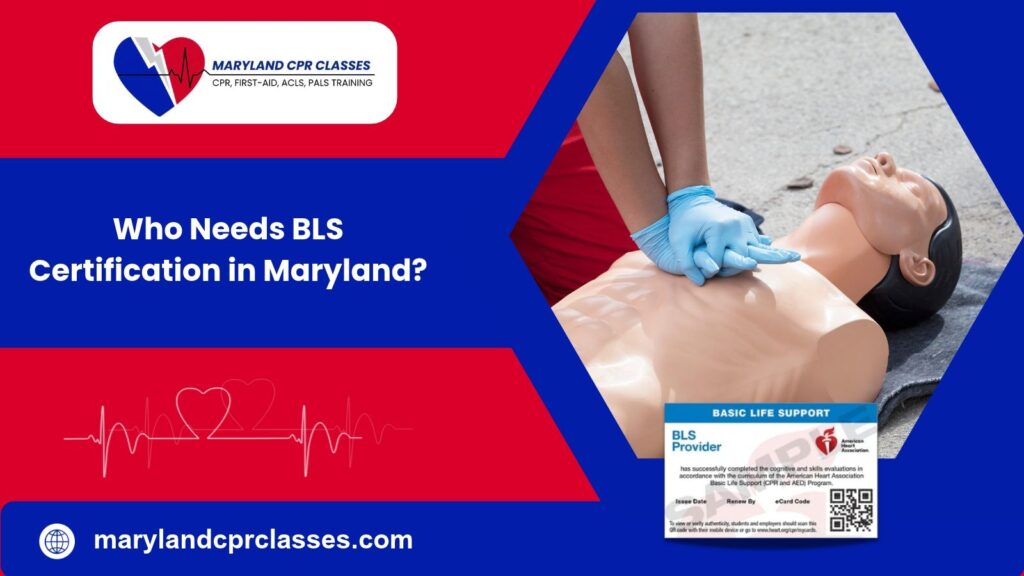
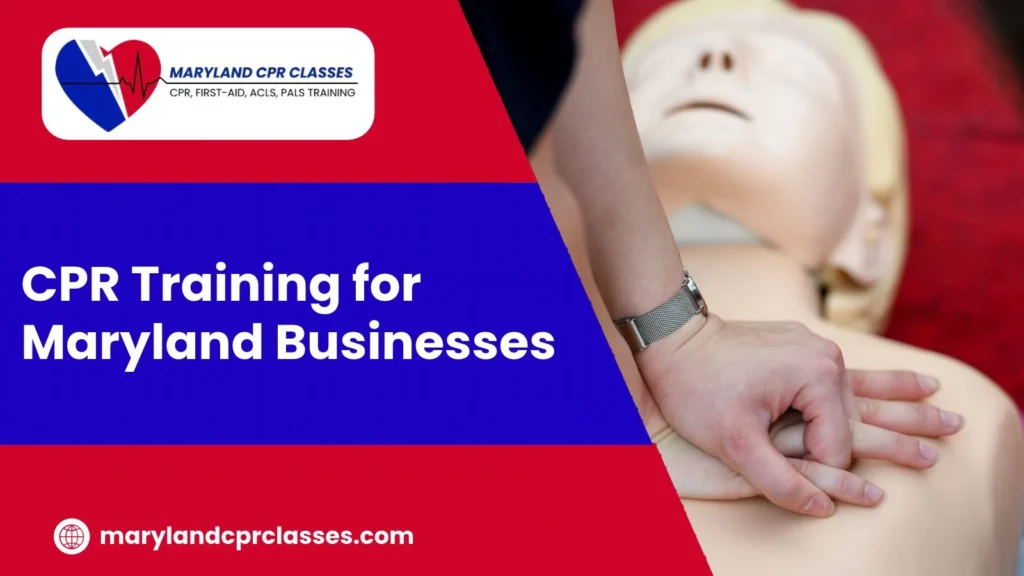
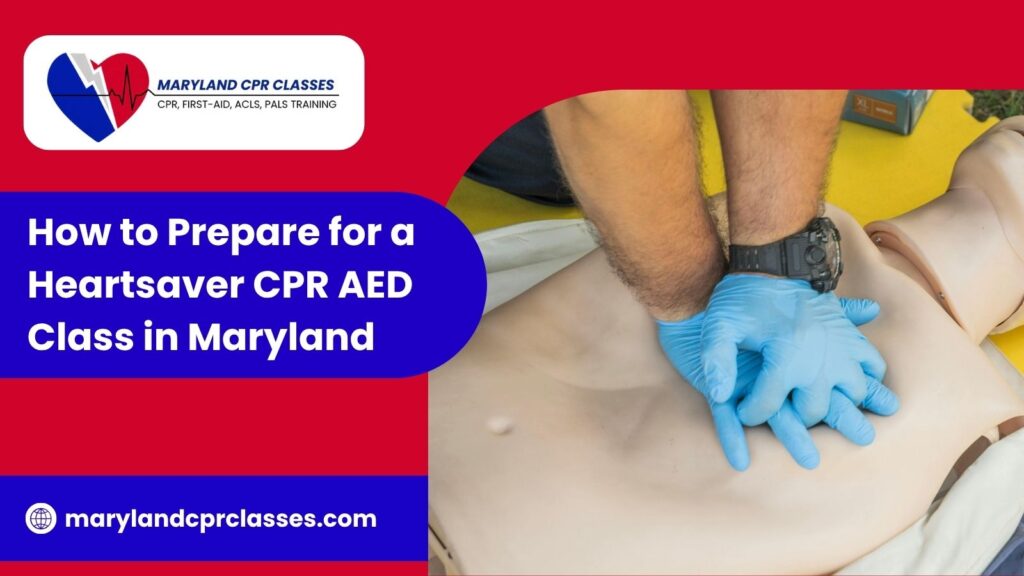
You will learn the basic steps involved in cardiopulmonary resuscitation (CPR), including chest compressions and other techniques covered in your selected course. You will also practice the skills on a training manikin.
AED Use
An automated external defibrillator is a device that checks a person’s heart rhythm and provides a shock when needed. During training, you learn how to use an AED and follow its voice and visual prompts.
AEDs are designed to guide users through the process. Learning how to operate one before an emergency can make the experience less unfamiliar.
Choking Response
The course also covers choking relief. The techniques taught depend on the selected course path and the age groups included in the training.
Child and Infant CPR
If you expect to care for children or infants, check whether the class includes the relevant child and infant CPR AED modules. These topics are not automatically included in every Heartsaver CPR AED course path.
Check Whether You Have Selected the Right Course
Not every CPR class covers the same material. Before registering, consider why you want to take the training and whether someone has asked you to complete a particular course.
A person who wants to learn adult CPR and AED use may need a different course path from a childcare provider who needs child and infant CPR topics. Someone who also wants to learn how to respond to injuries and other medical emergencies may benefit from a First Aid CPR AED course.
If your employer, school, or organization requires a course completion card, confirm the exact course name and requirements before booking. This can help you avoid registering for a course that does not meet the requirement.
Maryland CPR Classes provides American Heart Association Heartsaver First Aid CPR AED course. Check the available CPR training options in Maryland.
How to Prepare for the Online Coursework
Some Heartsaver training options use a blended or self-guided format. These options include online learning followed by an in-person skills session. If your selected course includes online coursework, complete that portion before visiting the training location.
Here are a few ways to prepare:
Set Aside Time to Complete the Lessons
Choose a time when you can focus on the material without frequent interruptions. Avoid rushing through the lessons just to finish them. Understanding the information will make the hands-on practice more useful.
Pay Attention to Emergency Situations
As you go through the course, think about how you would respond if someone collapsed in front of you. Pay attention to how an emergency is recognized, when to call 911, and how CPR and AED use fit into the response.
Review the Instructions Carefully
Follow the online course instructions and complete the required sections. If the training platform provides a completion confirmation, keep it available in case the training location asks you to show it.
Make a Note of Anything You Find Difficult
You may have questions about chest compressions, AED operation, or choking response. Write them down so you can pay closer attention to those skills during the practical session.
What to Expect During Hands-On CPR and AED Practice
Reading or watching a demonstration is only one part of learning CPR. Practicing the techniques helps you become familiar with the movements and equipment.
For the self-guided training option offered through Maryland CPR Classes, students complete their skills session at a CPR Verification Station using a Voice-Assisted Manikin (VAM).
The manikin provides voice guidance and feedback while you practice. This gives you an opportunity to work through the required skills and understand where adjustments may be needed.
During the session, you can expect to:
- Practice the CPR techniques covered in your selected course.
- Follow the guidance provided by the training equipment.
- Learn how to position your hands and perform compressions.
- Practice using an AED training device.
- Work through the required skills assessment.
Do not worry if the movements feel unfamiliar at first. The purpose of practice is to become more comfortable with the techniques and improve your performance. Pay attention to the feedback and follow the instructions provided during the session.
How to Get More from Your CPR Training
The goal of CPR training is not simply to finish a lesson or complete a skills assessment. It is to understand what to do when someone needs help.
Try to focus on learning the steps rather than memorizing them without understanding their purpose. During practice, pay attention to the feedback from the manikin and repeat the techniques as instructed.
It can also help to think about situations where you might use these skills. For example, consider how you would respond if a family member collapsed at home or a coworker suddenly became unresponsive.
You should also remember that CPR training does not replace emergency medical services. In an actual emergency, call 911 and follow the emergency dispatcher’s instructions.
What Happens After You Complete the Class?
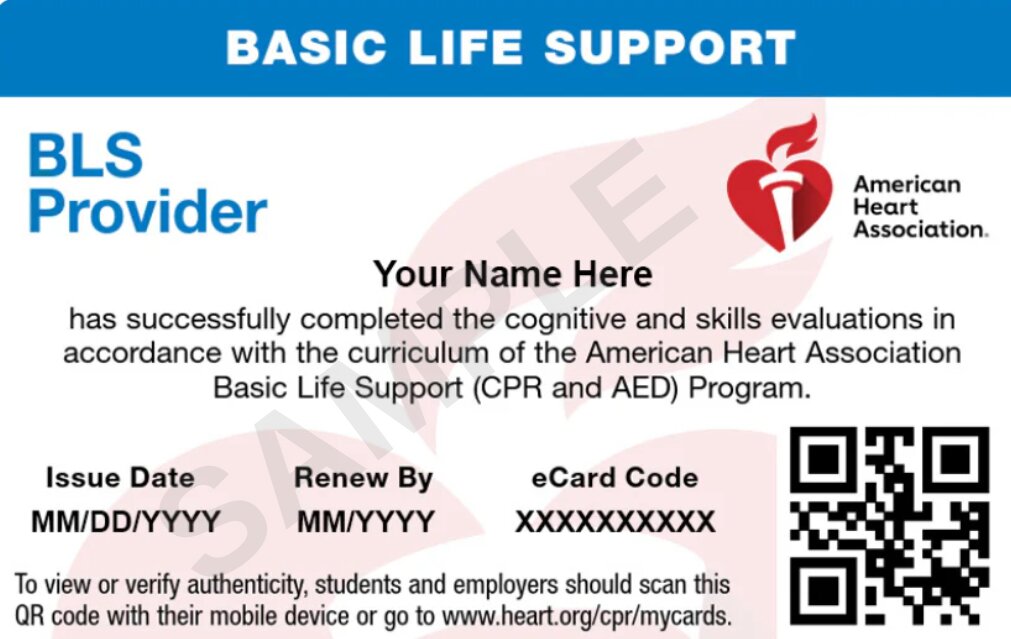
After completing the required online learning and hands-on skills components for your selected course, you can receive the corresponding American Heart Association course completion eCard.
The Heartsaver CPR AED course completion card is generally valid for two years. The card documents that you completed the required course components. You can keep it for your records or provide it to an employer or organization when requested.
Even after completing the course, it is worth reviewing your skills and staying familiar with current CPR guidance. Knowing where AEDs are located at home, work, school, or other places you visit can also help you feel more prepared.
Find Heartsaver CPR AED Training in Maryland
Whether you want to learn CPR for your family, prepare for emergencies at work, or gain skills that may help someone in your community, Heartsaver training is a practical place to start.
Maryland CPR Classes, powered by Same Day CPR, offers American Heart Association training across Maryland. Its Heartsaver First Aid CPR AED option combines online learning with a self-guided skills session at a CPR Verification Station using Voice-Assisted Manikins.
Learning CPR and AED skills is useful well beyond the classroom. The more familiar you become with the steps, the better prepared you may be to help when an emergency happens.
Frequently Asked Questions
Do I need previous CPR experience to take a Heartsaver CPR AED class?
No. The AHA Heartsaver CPR AED course is designed for people with little or no medical training. You can take the course without having completed CPR training before.
Is Heartsaver CPR AED training suitable for parents and babysitters?
Yes. Parents, babysitters, and other caregivers may benefit from learning CPR and AED skills. If you need to respond to emergencies involving children or infants, confirm that the selected course includes the appropriate child and infant CPR AED modules.
Does a Heartsaver CPR AED class include hands-on practice?
The training format determines how the hands-on portion is completed. Blended and self-guided options include an in-person skills component. Maryland CPR Classes offers a self-guided skills session at a CPR Verification Station using a Voice-Assisted Manikin.
How long is the American Heart Association Heartsaver CPR AED eCard valid?
The Heartsaver CPR AED course completion eCard is generally valid for two years. Check the issue and renewal dates on your eCard for your specific completion record.