
CPR certification in Ocean City, MD is available through several different courses, and the right one depends on your role and on who requires the card. A nurse, a childcare provider, and a member of a workplace safety team are usually asked for different courses, and a card from the wrong course can be rejected.
This guide explains how to choose between American Heart Association (AHA) BLS, ACLS, PALS, and Heartsaver courses, what to confirm with your employer, school, or licensing body before you book, and how the hands-on skills session works at the Maryland CPR Classes station in Ocean City.
Start With Who Is Asking for the Card
CPR certification is not one product. The course you need depends on who requires it and what they accept. Before you book, find out four things:
- Who is asking. An employer, a school or program, a licensing board, or another organization.
- What they name. Look for wording such as “BLS Provider,” “healthcare provider CPR,” “CPR/AED,” or “first aid and CPR,” and whether a specific organization, such as the AHA, is named.
- What format they accept. Some employers and programs accept self-guided skills sessions, while others require an instructor-led class.
- When it is due. A start date or license renewal date decides how early to book.
Confirming these details first prevents most rejected cards and unnecessary course fees.
Which CPR Class Fits Your Situation
Maryland CPR Classes, powered by Same Day CPR, offers the AHA courses below. Match your role to the course, then confirm it with whoever is asking.
| Your situation | Course to look at | Notes |
| Nurse, EMT, nursing or medical student, dental or other clinical staff | BLS | The healthcare provider CPR course, covering adults, children, and infants |
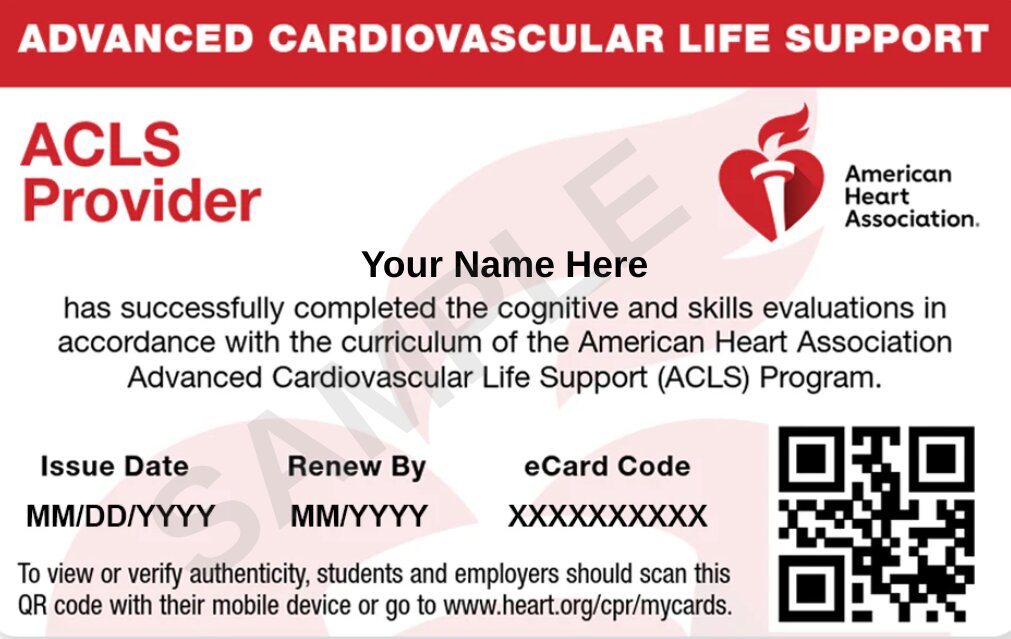
| Critical care, emergency, or advanced life support roles | ACLS | Assumes you already have BLS skills, ECG rhythm knowledge, and pharmacology basics |
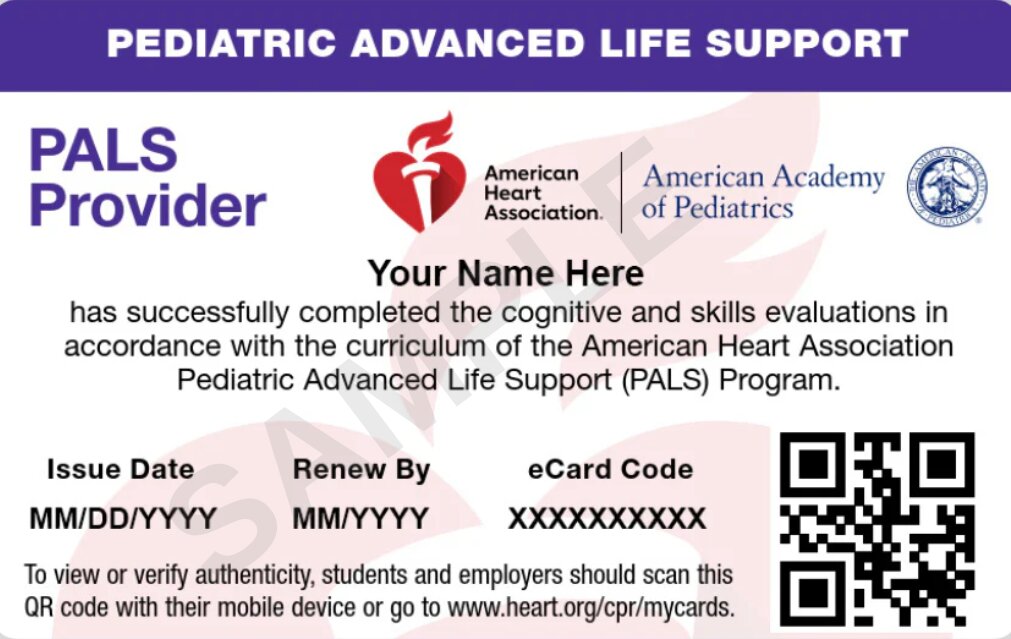
| Clinicians who treat children in emergencies | PALS | Focused on pediatric emergencies |
| School staff, childcare providers, coaches, workplace teams, parents, and community members | Heartsaver CPR AED | A CPR and AED course for people who are not healthcare providers |
| Anyone who also needs injury and medical emergency training | Heartsaver First Aid CPR AED | Adds first aid to CPR and AED skills |
If you are deciding between BLS and Heartsaver, the deciding question is whether your role is a healthcare provider role. If it is, ask for BLS. If it is not, Heartsaver is usually the closer match, unless your employer or program names BLS.
For Healthcare Professionals
Requirements for healthcare roles come from employers, schools, and licensing boards, not from a single course catalog. Nurses, EMTs, and students are most often asked for BLS, critical care and advanced life support roles may add ACLS, and pediatric settings may add PALS.
For Non-Healthcare Workers and the General Public
Heartsaver is the AHA course family designed for people who are not healthcare providers. Heartsaver CPR AED teaches CPR and AED use. Heartsaver First Aid CPR AED adds first aid. If your employer or organization asks for CPR training, ask whether first aid is also required, and choose the course that matches the wording of the requirement.
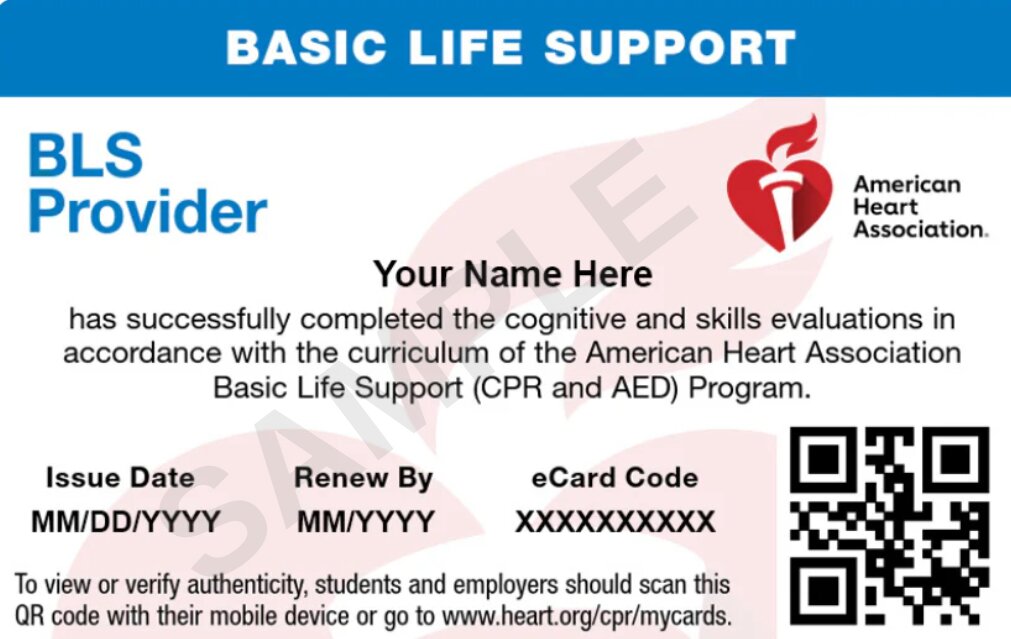
An AHA course completion card from Maryland CPR Classes is valid for two years. Ask whoever requires the card for the deadline, and keep your certificate where you can find it later.
Why a Hands-On Skills Session Matters
CPR is a physical skill. Compression depth, rate, and hand position cannot be judged from a quiz, which is why many employers and regulators expect a hands-on component and why online-only certificates are often rejected. The Maryland pharmacy order above is one example of a regulator drawing a line between online-only and in-person training.
For that reason, course format matters when you compare providers. A certificate with no practical component may cost less but may not be accepted where you need it.
How Certification Works at the Ocean City Station
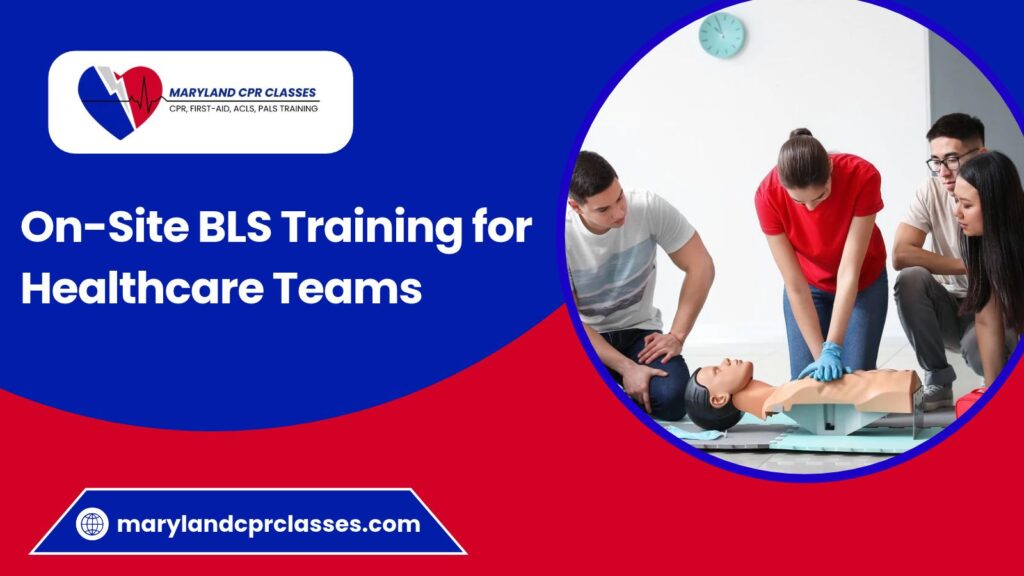
Certification has two parts. You complete the online coursework through Self-Guided Learning, at your own pace and on any device. You then complete a hands-on skills session at a CPR Verification Station, using a Voice-Assisted Manikin that guides you through each skill and gives feedback on your compressions and breaths. You have unlimited attempts until passing, and you receive an AHA course completion eCard once you finish both parts.
Because the online portion can be completed from any device, you can finish it before you visit the station. Availability and directions are on the Ocean City location page.
Conclusion
The right class for CPR certification in Ocean City, MD comes down to your role and who is asking for the card. Healthcare professionals should confirm the provider-level course and format, non-healthcare workers should usually look at Heartsaver.
Frequently Asked Questions
How long does my CPR certification last?
An AHA course completion card from Maryland CPR Classes is valid for two years. Set a reminder before the expiration date so you can renew without a gap if your employer requires it.
Do I need BLS or Heartsaver?
It depends on what your employer or program asks for. BLS is built for healthcare providers, while Heartsaver is built for people who are not. Ask for the exact course name, since some organizations name a specific one.
Can I do the online part before I visit the Ocean City station?
Yes. The online coursework can be completed from any device, so you can finish it first and then schedule your hands-on skills session at the station.
What if I do not pass the skills session on my first try?
You can keep attempting the skills until you pass. The Voice-Assisted Manikin gives feedback as you work, which helps you adjust your hand position, depth, and rate between attempts.