
If you work in patient care in Maryland, someone will eventually ask whether your BLS card is current. Basic Life Support is the CPR credential designed for healthcare providers and public safety professionals, and BLS certification in Maryland shows up on hospital onboarding checklists, nursing program requirements, and clinical placement paperwork.
The answer to who actually needs it is less uniform than most people assume. Some requirements come from state regulations or licensing boards. Many come from individual employers or schools. Others come from people who want training beyond standard CPR. This guide separates those groups so you can work out where you stand.
What BLS Certification Covers
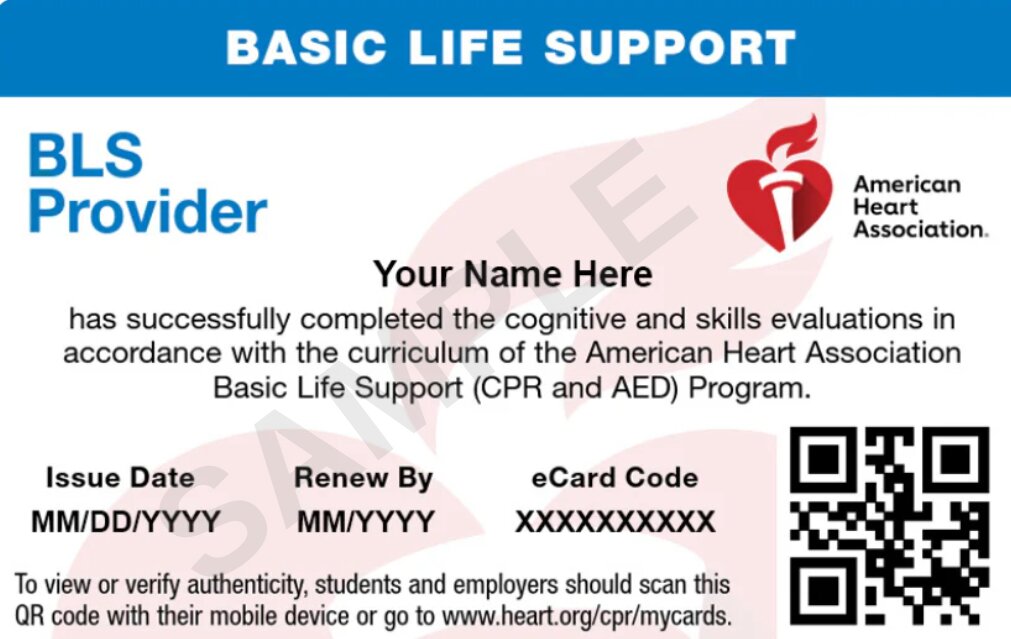
BLS is the American Heart Association (AHA) course built for people who respond to cardiac arrest as part of their job. It teaches high-quality CPR for adults, children, and infants, AED use, bag-mask ventilation, relief of choking, and how to work as part of a resuscitation team. The content follows the AHA Guidelines for CPR and Emergency Cardiovascular Care, which were most recently updated in 2025.
That team component is what separates BLS from a standard community CPR class. Healthcare providers are expected to coordinate roles, switch compressors, and use equipment like a bag-mask device, so the course practices those skills directly. A BLS credential is valid for two years.
Who Typically Needs BLS Certification in Maryland
Most of the requirements below are set by employers, schools, or licensing bodies rather than by one statewide rule, so the exact wording always depends on your workplace. Treat this as a map of where BLS is commonly expected.
Nurses and nursing students
Registered nurses, licensed practical nurses, and nurse practitioners are among the most common BLS holders. Hospitals and clinics generally list a current BLS card as a condition of hire and of continued employment. Nursing programs in Maryland commonly ask students to hold BLS before clinical rotations begin, and many programs name the AHA BLS Provider course specifically, so read the program handbook before you book anything.
Physicians, physician assistants, and medical students
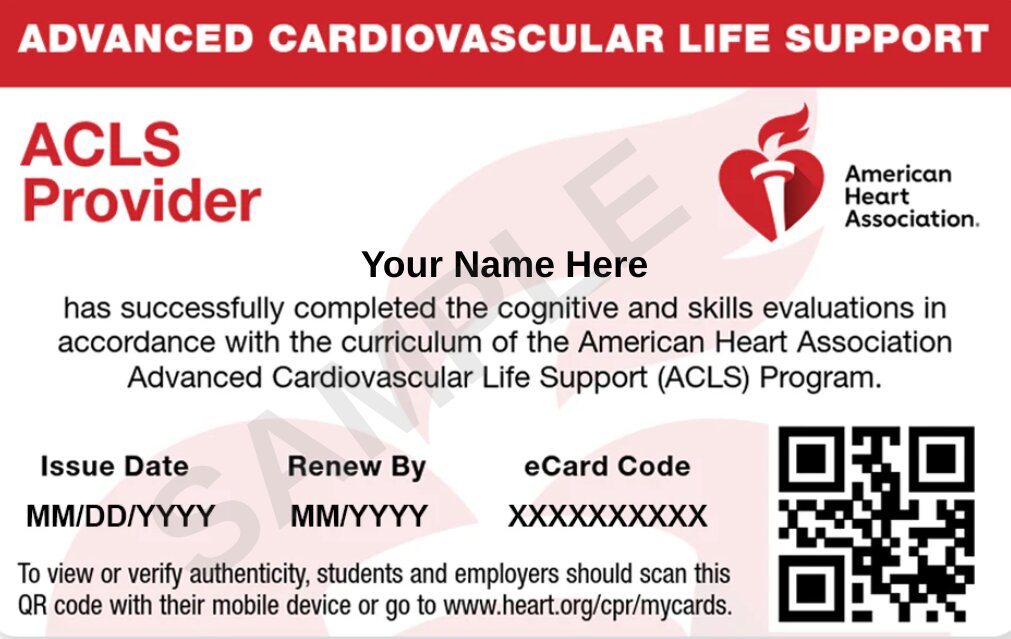
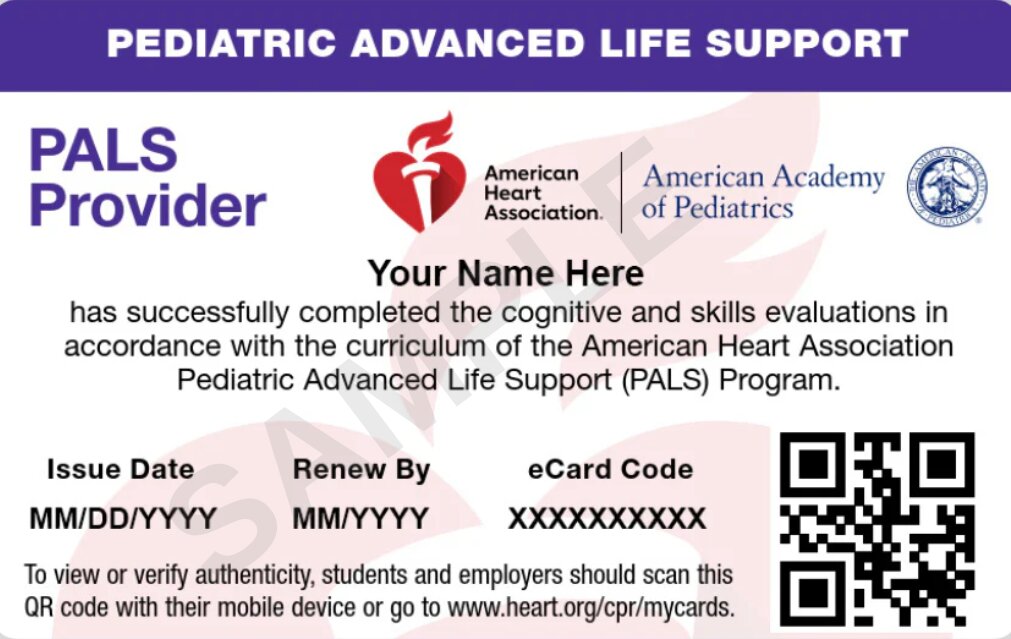
Clinicians who work in hospitals, urgent care, and procedural settings are typically credentialed with BLS as a baseline. Residents and medical students usually need it before patient contact. Higher-acuity roles often add ACLS or PALS on top of BLS, but those courses build on BLS rather than replace it.
EMTs, paramedics, and firefighters
Emergency medical services clinicians in Maryland are licensed or certified through the Maryland Institute for Emergency Medical Services Systems (MIEMSS), and their employing agencies set the CPR credentials expected for the job. Fire and rescue departments commonly use BLS as the standard for provider-level CPR. If you are in this group, your agency’s training office will tell you which card and format it accepts.
Dental professionals
Dentists, dental hygienists, and dental assistants are regularly expected to hold healthcare-provider CPR. The Maryland State Board of Dental Examiners treats CPR certification as its own item in its continuing education guidance, separate from the 30 hours of continuing education it requires every renewal cycle. Because board wording can change, confirm the current requirement with the Board or your employer.
Allied health professionals
Respiratory therapists, physical and occupational therapists, pharmacists, medical assistants, radiology and surgical technologists, and other clinical team members are often required to hold BLS by their employer. Facility policy is the deciding factor here, and it can differ even between two hospitals in the same city.
Requirements by Role at a Glance
| Role | Where the requirement usually comes from | Course typically requested |
| Nurses and other hospital clinicians | Employer or hospital credentialing | BLS Provider; ACLS or PALS may be added for some units |
| Nursing and medical students | School or clinical site | BLS for healthcare providers; confirm accepted provider |
| EMTs and paramedics | MIEMSS and the employing agency | Set by agency; BLS is the usual provider-level standard |
| Dentists and dental hygienists | State Board of Dental Examiners and employer | Healthcare-provider CPR; confirm with the Board |
| Child care staff | COMAR 13A.16.10.02 and the Office of Child Care | First aid and CPR from an approved source, often Heartsaver First Aid CPR AED |
| Teachers, coaches, workplace responders | Employer or district policy | Often Heartsaver CPR AED; BLS if the employer asks for it |
When BLS Is Not the Right Course
BLS is the correct choice for healthcare providers, but it is not the answer for everyone who needs CPR training. Teachers, coaches, and office staff who respond to emergencies in a workplace are usually well covered by Heartsaver CPR AED. On the other end of the scale, clinicians who manage cardiac arrest and peri-arrest patients may need ACLS or PALS in addition to BLS, depending on the unit and the patient population.
Anyone is allowed to take BLS, including caregivers and people who simply want a deeper skill set. The question is whether it matches what your employer, school, or board is asking for.
How to Get BLS Certification in Maryland Through Maryland CPR Classes
Maryland CPR Classes, powered by Same Day CPR, offers the AHA BLS course for both initial certification and renewal. The process has two parts:
- Online coursework. You complete the HeartCode BLS online module through Self-Guided Learning, at your own pace and on your own schedule.
- Hands-on skills session. You then visit a CPR Verification Station and complete your skills on a Voice-Assisted Manikin, which gives feedback on compressions and breaths as you work. You have unlimited attempts until passing.
Once both parts are finished, you receive an AHA course completion eCard. This is a self-guided format, not an instructor-led classroom, so it suits people who are comfortable working independently. If your employer or program specifically requires instructor-led skills testing, confirm that before you register.
For renewals, plan ahead. Your card is valid for two years, and many employers require you to keep it current without a gap, so booking before the expiration date is easier than scrambling afterward.
Final Thoughts
If you provide clinical care, respond to medical emergencies professionally, or are training for a healthcare career in Maryland, you should assume BLS will be expected and confirm the details with your employer, school, or licensing board. If your role is closer to child care, teaching, or general workplace response, a Heartsaver course may be the better match.
When you are ready, you can review course details and register for BLS certification in Maryland.
Frequently Asked Questions
Can I take BLS before I start nursing school or a clinical program?
Yes. Many students certify before their program begins so the card is on file by the first clinical placement. Check your program’s deadline and its list of accepted providers first, since some programs specify the AHA BLS Provider course by name.
What happens if my BLS card expires?
Some organizations restrict clinical duties until the card is renewed, while others set their own timelines for submitting new proof. The safest approach is to renew before the expiration date printed on your card.
Is there one Maryland law that requires BLS for every healthcare worker?
Requirements come from a mix of sources, including licensing boards, regulations for specific settings, and individual employers, and they differ by profession and workplace. Because of that, the reliable answer for your role is whichever document governs your license or your job.